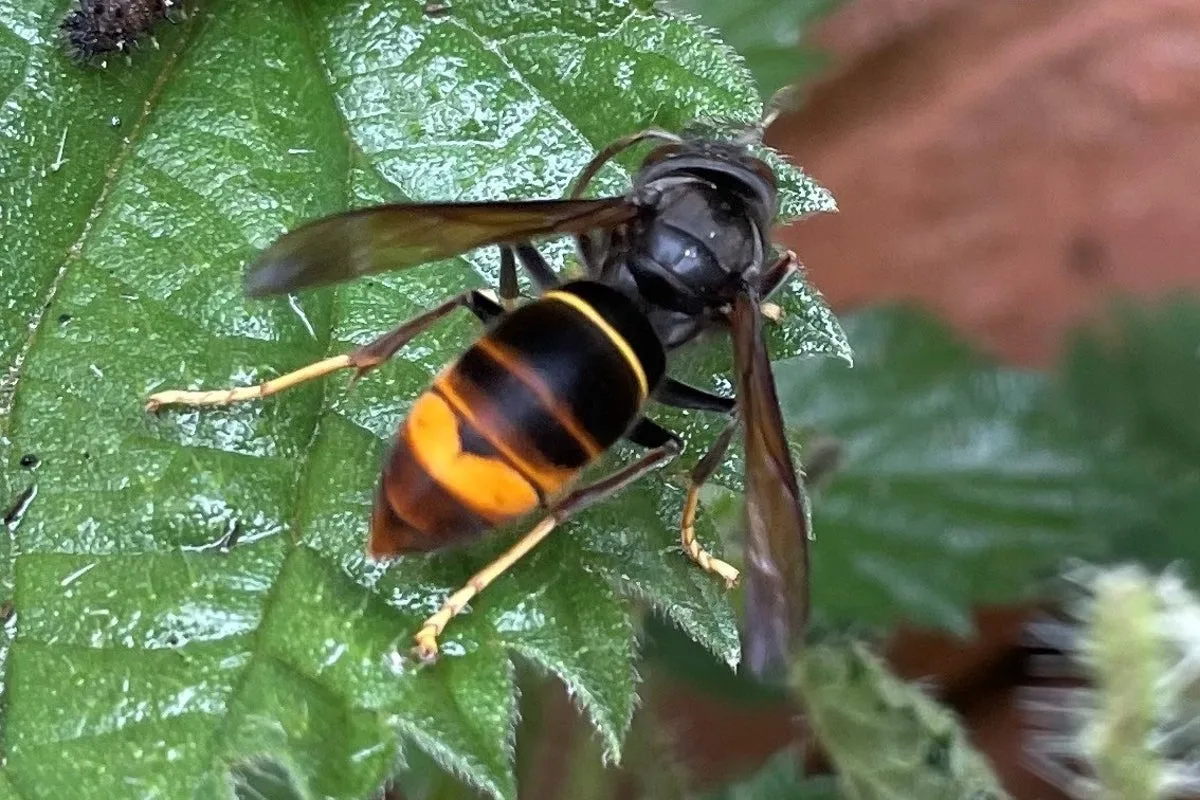
The UK faces a potential surge in Asian hornet populations as the Met Office predicts 2026 will be one of the hottest years on record, following an unseasonably hot spring. Experts warn that the heat could boost activity among Asian hornet queens, which are already spreading across southern England.
Gardening expert Luke Newnes said: “What makes 2026 particularly concerning is the acceleration we’re now seeing in both sightings and geographical spread. We’re no longer talking about isolated coastal incidents. Sightings are appearing much further inland, and many experts now believe the focus has shifted from eradication to long-term management.”
Asian hornets pose a significant threat to British honeybees, which make up about a third of their diet. First sighted in the UK in 2016, the insects have now survived their first winter. Last year saw 544 sightings with 161 nests confirmed—more than double the previous annual peak. A single nest can produce around 350 queens before autumn, and new queens can travel up to 50 miles before hibernation.
Newnes urged vigilance, advising people to report sightings via the Asian hornet app to the National Bee Unit and not to attempt nest removal themselves, as the hornets can become aggressive. “Homeowners should keep an eye on flowering plants, fruit trees and areas with high bee activity,” he said. “Beekeepers in particular should be inspecting hive entrances regularly throughout spring.”