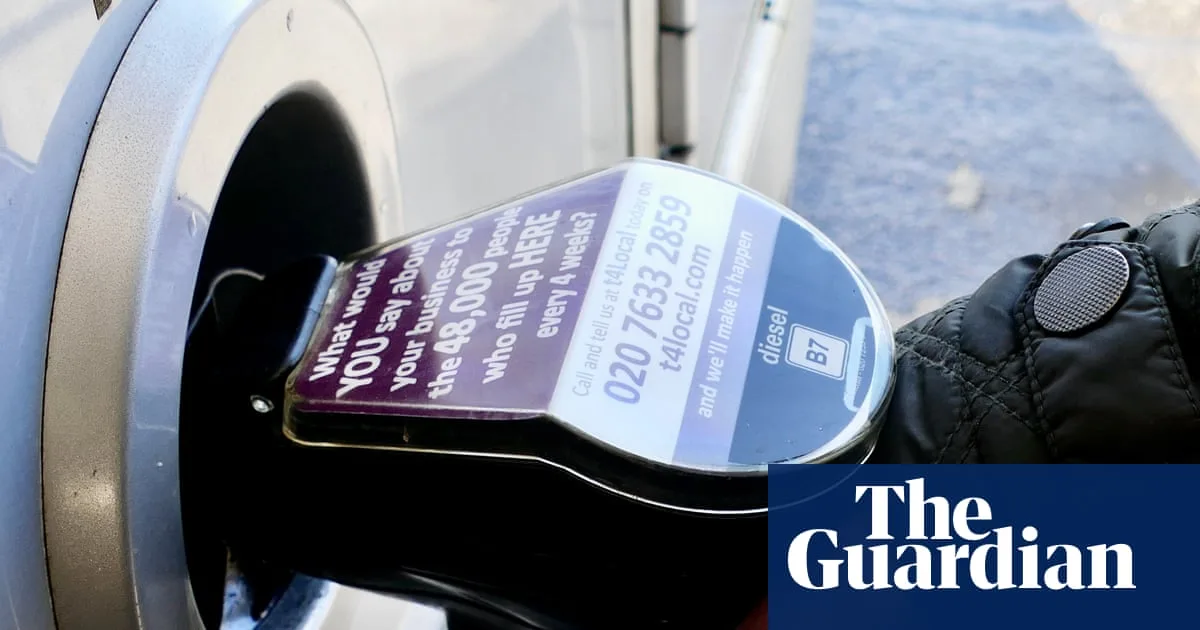
The Competition and Markets Authority (CMA) has warned UK fuel retailers it is stepping up monitoring of pump prices amid concerns over profiteering as the US war with Iran drives up wholesale costs. The watchdog said firms responsible for thousands of filling stations across the country had been “put on notice” as part of a wider government crackdown to prevent bosses ramping up profits at the expense of consumers.
The CMA will require firms to provide revenue, costs and sales data, accelerating a review of fuel industry margins initiated after the conflict began nearly two weeks ago. The oil price rose past $100 (£75) a barrel on Thursday for a second time in a week, as Iranian attacks on energy facilities and a threat to block the Strait of Hormuz overshadowed a release of government reserves.
Petrol and diesel prices have risen sharply, with the RAC reporting an average petrol price increase of 5.5% (about 7p per litre) and diesel up 11.1% (nearly 16p) since US and Israeli warplanes began bombing Iranian targets. Experts warned a sustained rise in global oil and gas prices could trigger higher inflation in Britain, dashing hopes for a Bank of England interest rate cut.
Chancellor Rachel Reeves warned the government would not tolerate companies exploiting the crisis to make “excess profits” and said she would ask the CMA to step up vigilance. She is expected to meet fuel industry bosses and energy companies alongside Energy Secretary Ed Miliband to demand a fair deal for drivers and households.
The CMA said it recognised businesses faced significant pressures from rising energy costs but warned them not to exploit the situation. It will analyse how quickly fuel prices rise and fall as wholesale costs change to examine evidence of “rocket and feather” pricing, where rapid price increases are followed by slower cuts. Juliette Enser, the CMA’s executive director for markets, said: “While price increases might be inevitable because of rising wholesale costs, it is important that those increases reflect genuine cost pressures.”