

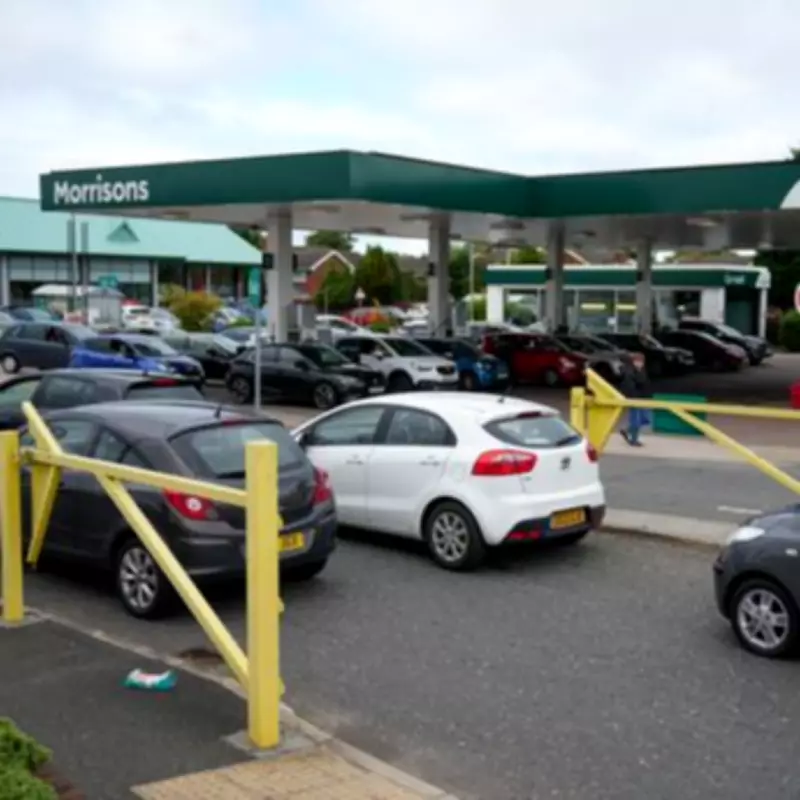
Emergency plans for fuel rationing are prepared for activation should the ongoing Middle East conflict severely disrupt oil supplies, potentially granting priority access to essential services while ordinary motorists face restrictions. The Department for Energy Security & Net Zero has detailed these measures in its National Emergency Plan for Fuel, outlining a tiered system for allocation during a crisis.
Priority System in Fuel Rationing Plans
The government's contingency strategy specifies that emergency services, including ambulances and police vehicles, would receive the highest priority for fuel. Following them, utilities such as gas, electricity, and water suppliers would be next in line, then public transport like buses and diesel trains. Commercial vehicles, particularly those transporting food and medical supplies, would come after, with ordinary drivers at the bottom of the list, possibly facing purchase limits and reduced petrol station hours.
Impact of Middle East Conflict on Fuel Prices
The virtual blockade of the Strait of Hormuz by Iran has crippled oil exports from the Gulf, leading to a sharp increase in global fuel prices. In the UK, unleaded petrol has risen by over 14p per litre to 147.19p since late February, adding approximately £8 to fill a family car. Diesel prices have surged even more dramatically, up 29p to 171.17p per litre, the highest in over three years, costing drivers an extra £16 per tank.

Simon Williams, head of policy at the RAC, commented on the situation, stating, "Households are really feeling the effects of the conflict in the Middle East. With oil trading well over $100 per barrel, drivers are in for a rough ride at the pumps, likely making this the most expensive Easter on the roads since 2022."
Expert Warnings and Government Response
Nick Butler, former head of strategy at BP and advisor to ex-Prime Minister Gordon Brown, warned of a potential physical shortage of supply in the coming weeks. He emphasised, "Oil and gas supplies are absolutely crucial to the running of the economy, and you can't bring on new supplies quickly. I think it does mean a form of rationing."
When questioned about implementing rationing plans, Dan Tomlinson told Times Radio, "At the moment, it is too early to tell what the impact of this crisis will be. We will monitor the situation carefully." The government insists that while plans exist, they are only for emergencies, noting that UK petrol stations are currently well-stocked and that only about 1% of imported crude oil comes from the Middle East, with most sourced from the US and Norway.
Additional Measures and Public Advice
The National Emergency Plan for Fuel also includes proposals such as limiting speeds to 50mph on all roads to conserve fuel. Organisations like the AA have urged drivers to fill up as normal, stressing that there is no immediate shortage. However, the plans highlight the vulnerability of fuel supplies to global disruptions and the need for preparedness in times of crisis.






