

Fuel Rationing Looms as Strait of Hormuz Crisis Sparks Westminster Fears
Westminster is openly discussing the prospect of fuel rationing as the world's oil and gas tankers face blockage from using the critical Strait of Hormuz. This developing crisis has drawn stark comparisons to the 1973 global energy emergency, when OPEC nations deployed the 'oil weapon' during the Yom Kippur War.
Historical Parallels and Current Warnings
Nick Butler, former head of strategy at BP and adviser to Prime Minister Gordon Brown, has issued a sobering warning. He suggests that if Middle East tensions persist, motorists will face immediate consequences at petrol pumps. Butler further advises ministers to prepare for a "significant shortfall of supply over the next two months."
The situation echoes the 1973 crisis when Arab countries embargoed oil supplies to nations supporting Israel. While oil wasn't Britain's primary energy source then nor now, it remained a crucial secondary resource. The current blockade comes at a particularly vulnerable moment for UK energy security.

Potential Government Responses
Energy Secretary Ed Miliband has already proposed unconventional measures, including inviting pubs to serve warmer beer by turning off refrigeration systems. More practically, Westminster is considering "light-handed" measures to reduce petrol demand, potentially including:
- A temporary national speed limit reduction to 50 mph
- Public appeals for voluntary fuel conservation
- Possible restrictions on non-essential driving
These measures mirror the 1973 response when Britain introduced a 50 mph speed limit on all roads from December 8th, which remained in place for months. Despite today's more fuel-efficient vehicles and growing electric car adoption, the sheer increase in vehicle numbers makes conservation equally critical.
From Speed Limits to Rationing
If essential services like NHS operations and food deliveries become threatened, formal rationing could follow. In a market economy under severe strain, petrol stations might implement their own rationing by limiting purchases per customer. This could lead to long queues and forecourt closures, reminiscent of the 2021 driver shortage crisis that paralyzed London roads.
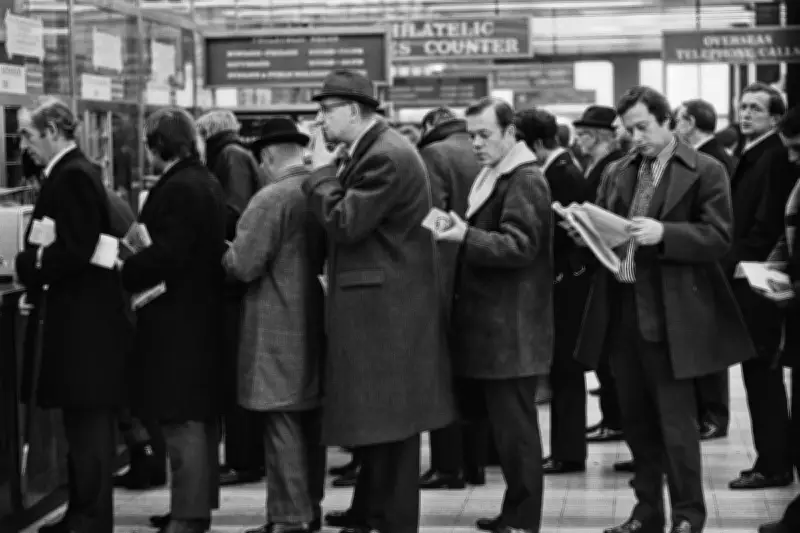
Historical precedent exists: in 1973, ration books were distributed through post offices though never activated. Today, any rationing system would likely involve digital solutions, possibly through dedicated mobile applications developed using artificial intelligence.
Political Implications and Broader Consequences
The crisis carries significant political risks. Ministers and MPs violating any imposed restrictions would face public backlash, recalling controversies like former Home Secretary Suella Braverman's speeding offence allegations. The government might respond with symbolic actions, such as approving the controversial Rosebank oil field near Shetland, despite its limited impact on immediate supply issues.
More substantially, Chancellor Rachel Reeves faces pressure to suspend planned fuel duty increases, demonstrating political awareness during the emergency. The situation also raises concerns about potential electricity restrictions reminiscent of the 1970s three-day week, though current challenges differ from the coal-based industrial disputes of that era.
Long-term Energy Strategy
Ultimately, this crisis underscores the urgent need for continued investment in renewable energy to power electric vehicles and enhance energy independence. While immediate measures focus on conservation, the broader lesson points toward accelerating Britain's transition to sustainable energy sources to prevent future vulnerabilities.
As Westminster monitors the Strait of Hormuz situation, the specter of 1973-style measures serves as both warning and precedent for how Britain might navigate another energy emergency.






