

Fuel Prices Climb in Australia Despite US-Iran Ceasefire Progress
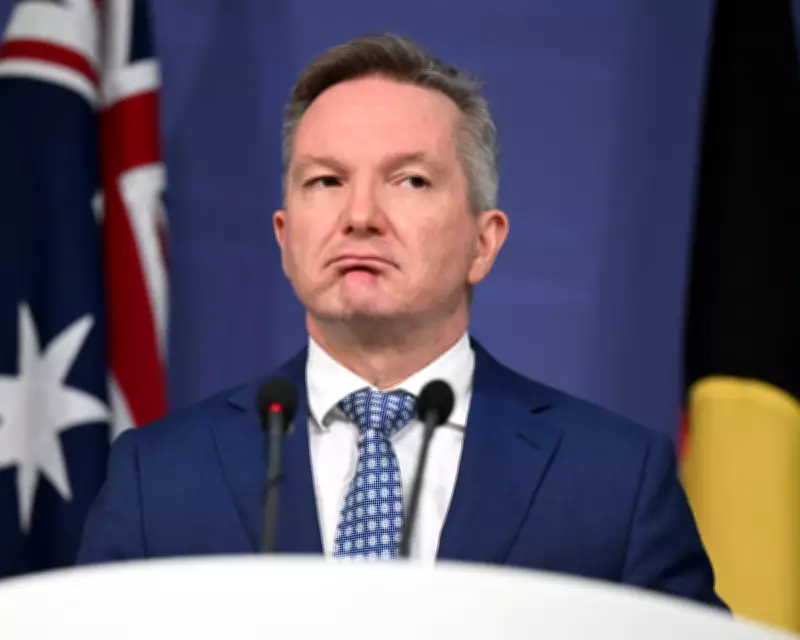
Australian Energy and Climate Change Minister Chris Bowen has issued a stark warning that fuel prices will not decrease immediately following the announcement of a ceasefire in the US war with Iran. This comes as petrol and diesel costs have risen sharply across the country, with wholesale diesel hitting record highs.
Government Urges Caution Amid Rising Costs
On Wednesday, average unleaded petrol prices increased in several cities for the first time since late March, driven by higher charges from fuel tankers. According to MotorMouth data, unleaded prices reached 227 cents per litre in Perth, 225.7 cents in Hobart, and 223.9 cents in Canberra. Diesel prices have surged to an average of approximately 319 cents per litre nationwide.
Chris Bowen emphasized that Australians should not expect quick relief, stating, "People shouldn't take today's progress and expect prices to fall." He noted that while the reopening of the Strait of Hormuz could aid fuel supply, it is not yet fully operational, and the situation remains uncertain.

Tax Cut Extension and Supply Measures
The Albanese government has confirmed that its temporary 32-cent per litre fuel tax reduction will remain in place until July, regardless of any potential price drops before then. Bowen indicated that an extension beyond this period is under consideration, with a review planned closer to the deadline. "We will assess the situation closer to the end of that three months ... we hope things improve by then," he said.
Data from the Australian Institute of Petroleum revealed that diesel wholesale prices jumped 20 cents to a record 320 cents per litre on Wednesday morning, while unleaded wholesale prices increased by 4 cents per litre. This follows a previous decline in late March, aided by the excise cut, which saw unleaded petrol drop by 40 cents per litre and diesel by 12 cents per litre.
High Demand and Regional Diplomacy Efforts
Bowen highlighted unusually high fuel demand, with consumption 30% higher over the Easter weekend in 2026 compared to 2025. "Fuel's going out the door at rapid rates, I mean, massive increases to demand, particularly for diesel," he remarked. The government has secured fuel supplies into May and plans to announce deals under a scheme to underwrite shipments through Export Finance Australia.
Prime Minister Anthony Albanese is set to travel to Singapore to meet with Prime Minister Lawrence Wong, with fuel security expected to be a key topic. Singapore is Australia's largest source of refined fuel. The government is actively engaging with regional partners, including Japan and other fuel exporters, to bolster supplies. Albanese stated, "We are a reliable supplier of energy, particularly for north Asia ... and we expect reciprocal arrangements."
Albanese welcomed the ceasefire but acknowledged its limited immediate impact, saying, "We're already seeing a substantial impact of a war which is on the other side of the world, but is having an impact on Australians here." He expressed hope for a permanent de-escalation to mitigate global economic effects.






