Fuel Price Relief Delayed: NSW Premier Urges Immediate Pass-Through of Excise Cut
Australians anticipating relief from soaring fuel prices in time for Easter travel are likely to face disappointment, as industry forecasts suggest the effects of Labor's temporary excise reduction could take days or even weeks to reach some service stations nationwide. The halving of the fuel excise, effective from Wednesday until the end of June, will see the federal government collect 26.3 cents per litre instead of 52.6 cents over the next three months.
Industry Predicts Varied Delays in Price Reductions
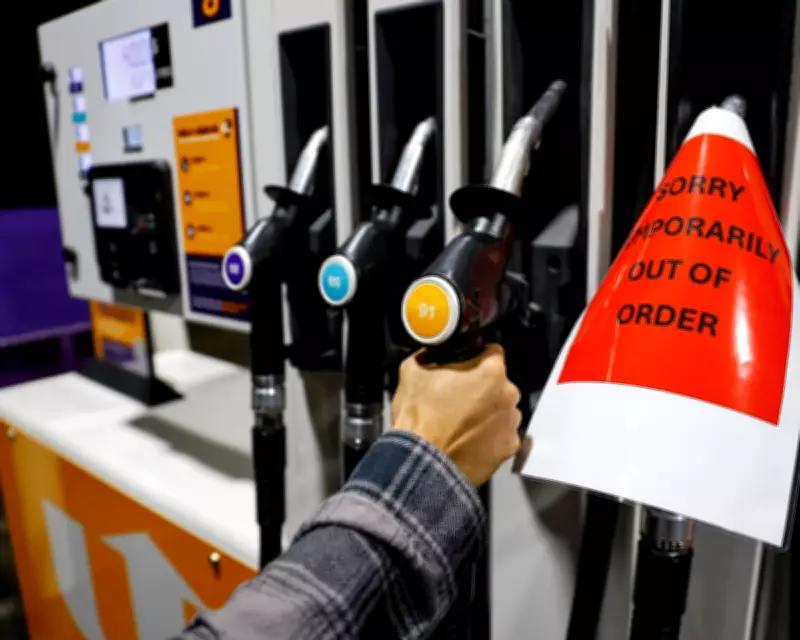
Peak industry bodies and households have welcomed the announcement amid record-high petrol and diesel costs across the country. However, the Australasian Convenience and Petroleum Marketers Association warns that the flow-on effect for consumers will depend on how quickly petrol stations sell their existing, more expensive fuel stocks. Rowan Lee, the association's chief executive, explained that service stations must first deplete fuel purchased with the full excise before passing on cheaper supplies to drivers.
"For some very busy metropolitan sites, it could be a few days," Lee said. "In remote areas with low volume, it could be a week or two. As that fuel is replenished, the reduced excise will be applied and passed through to motorists."

ACCC Monitoring and Historical Context
The Australian Competition and Consumer Commission will closely monitor petrol stations to ensure savings are passed on to consumers. A 2022 ACCC report, from when the fuel excise was last halved during Russia's invasion of Ukraine, indicated that the cut had been reflected in retail prices at most service stations after six weeks.
Supply Chain and Industry Reactions
Industry bodies largely support the excise reduction, along with a three-month pause to the heavy vehicle user road charge, though they caution about ripple effects on Australia's supply chain. The Australian Logistics Council, representing companies like Amazon, Woolworths, and Linfox, stated that the relief would help workers access warehouses and reduce costs passed to end consumers.
Hermione Parsons, the council's chief executive, emphasised the need for better planning for global shocks, noting Australia imports about 90% of its diesel supplies. "This is a complex global supply chain phenomenon, and we don't control our own main fuel source," she said, advocating for increased freight rail utilisation and renewable diesel development.
Farmers Express Scepticism and Concerns
Farmers on the east coast remain sceptical, with NSW Farmers president Xavier Martin worried the excise cut could drive up demand in areas with supply shortages. "Farmers can't run tractors on a framework," he remarked. National Farmers' Federation president Hamish McIntyre added that the announcement lacked detail, providing little direct benefit to farmers and potentially impacting overall fuel demand.
State Responses and Emergency Measures
In New South Wales, Premier Chris Minns told reporters that emergency measures, including fuel rationing and encouraging working from home as recommended by the International Energy Agency, are "still under consideration" under stages three and four of government plans. NSW Treasurer Daniel Mookhey clarified that rationing would fall under stage four.
Minns expects the excise reduction to be passed on immediately to consumers starting Wednesday, though he noted states are "considering" forgoing windfall GST revenue, with negotiations less advanced than the excise agreement. He urged consumers to act responsibly when prices drop, advising, "Don't buy more than you need to buy."
Other State Initiatives and Opposition
Victorian Premier Jacinta Allan announced fuel security legislation to be introduced this week, mirroring Tasmania's laws, which would require fuel suppliers to provide data on supply and distribution for greater transparency. In Queensland, Premier David Crisafulli opposed any "blanket mandates" on working from home during stage four of the fuel security plan, stating it sends the wrong message.

Overall, while the excise cut offers potential relief, delays in implementation and ongoing supply chain challenges highlight the complexities of addressing Australia's fuel price crisis.