Australian authorities have issued urgent warnings to motorists, advising against panic buying or stockpiling petrol, as fears over escalating fuel prices have triggered chaotic scenes and aggressive confrontations at service stations nationwide.
Chaotic Scenes at Petrol Stations
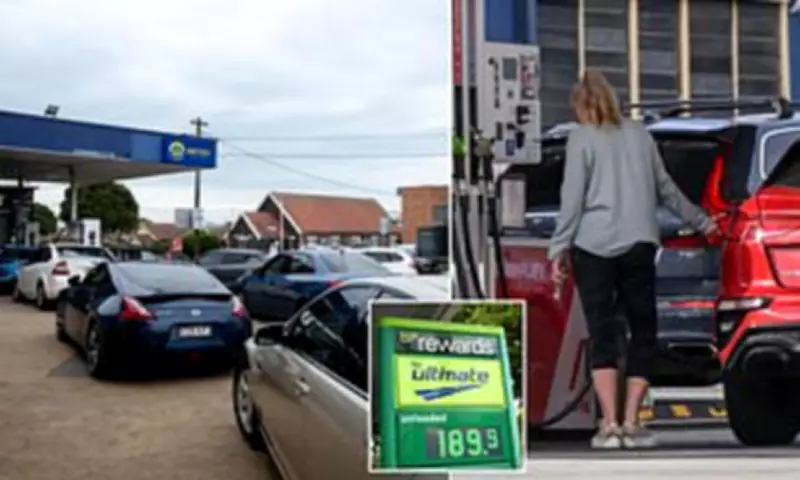
Long queues stretching over a kilometre have formed outside service stations in major cities such as Sydney and Melbourne, with drivers rushing to fill their vehicles and jerrycans amid concerns that the ongoing conflict in the Middle East could cause petrol prices to skyrocket. Videos have emerged showing drivers berating each other over delays, highlighting the tense atmosphere.
Root of the Fuel Price Fears
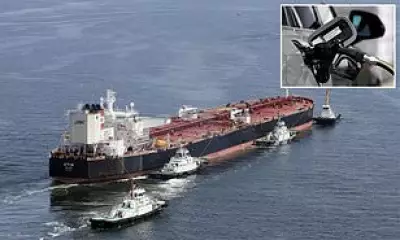
The panic stems from worries about the Strait of Hormuz, a narrow waterway between Iran, the United Arab Emirates, and Oman, through which approximately 20% of global crude oil typically passes. While Iran has not officially closed the strait, authorities have reportedly prevented ships from traversing it, leading to vessels waiting at ports like Fujairah in the UAE.

AMP chief economist Shane Oliver has warned that oil prices are likely to surge significantly in the near future, potentially exceeding US$100 per barrel from US$67 last Friday for West Texas crude. "Oil prices will spike sharply, possibly above US$100 a barrel, given the disruption to oil supplies, including via the Strait of Hormuz," Oliver told the ABC. He emphasised that the broad nature of US and Israeli attacks, coupled with Iran's retaliation, could prolong the disruption.
Implications for Australian Consumers
A rise from US$67 to US$100 per barrel could translate to Australians paying around 33 cents more per litre for fuel. Data from Fuel Check NSW indicates that the average price of Unleaded 91 has reached its highest point in the past 12 months, exacerbating consumer anxiety.
At Metro Petroleum in Earlwood, which offered the cheapest fuel in western Sydney, customers were seen yelling and cursing while waiting in long lines. Reports described incidents where drivers shouted at others to move quickly, with one man exclaiming, "Get in the car! Move it! move it!" and "Everyone's coming in behind you d**khead!" A stressed worker noted that queues began as early as 5 am, despite the station not opening until 5:30 am, and at least three arguments had broken out, accompanied by constant car horn noise.
Government Response and Reassurances
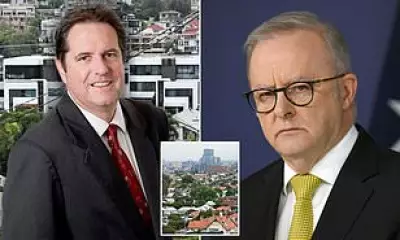
Energy Minister Chris Bowen attempted to calm the frenzy by speaking with chief executives of Australia's oil refinery companies. He determined that they currently exceed minimum fuel stock obligations, meaning there is enough fuel to last through to May. "There is no immediate threat to petrol supplies in Australia. There will be challenges in this difficult environment in the Middle East," Bowen stated. "There is no need for panic. Buying will just make the situation worse."
Regulatory Oversight
The Australian Competition and Consumer Commission (ACCC) is closely monitoring fuel prices at the request of Treasurer Jim Chalmers. Chalmers emphasised that the ACCC, as an independent regulator, will investigate any concerns regarding misrepresentations, false and misleading conduct, or anti-competitive practices in petrol markets and take appropriate action.
In addition to petrol, gas prices are also expected to rise, potentially leading to increased costs for groceries and other essentials. The broader economic impact remains a concern as tensions in the Middle East continue to unfold.