Australian Fuel Crisis Intensifies with 25% Demand Spike
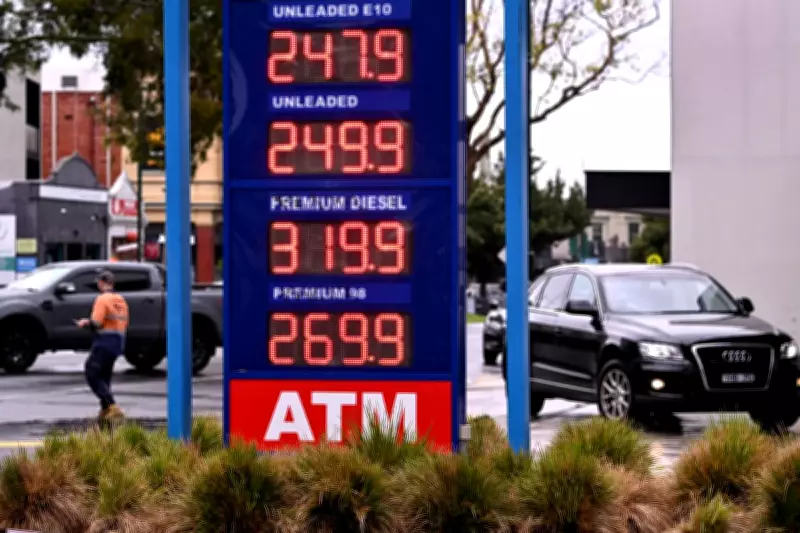
Petrol stations across Australia are reporting a dramatic surge in demand, with figures indicating an increase of up to 25% over the past two weeks. This spike comes on top of earlier major rises linked to the Iran war, placing immense pressure on governments to formulate a cohesive national strategy to address what officials term the biggest energy crisis in history.
Retailers Grapple with Widespread Fuel Shortages
The Australasian Convenience and Petroleum Marketers Association has disclosed that hundreds of stations nationwide are experiencing outages of one or more fuel types. Rowan Lee, the association's chief executive, stated, "Fuel retailers have reported an increase in demand of up to 25% over the past two weeks which followed a significant spike in demand." He added that drivers are filling up more frequently, and sectors like agriculture, freight, and commercial operations have accelerated their fuel purchases, exacerbating short-term demand.
Lee noted that when a station runs out of a specific fuel grade, it is typically a temporary issue, often resolved within two days. However, the cumulative impact has led to significant disruptions, with daily fluctuations in supply due to varying regional demand and logistical challenges.

Government Response and National Planning Efforts
Prime Minister Anthony Albanese is scheduled to meet with state premiers and chief ministers on Monday to develop a plan for managing the fuel crisis. The federal government anticipates disruptions lasting months, even if the conflict with Iran concludes imminently. While fuel rationing is not currently under consideration, voluntary measures to reduce usage, such as promoting remote work, may be implemented if conditions deteriorate.
Energy Minister Chris Bowen emphasised that rationing would only be contemplated in a worst-case scenario where prolonged Middle East conflicts severely restrict oil supplies to Asian refineries, thereby affecting petrol and diesel imports to Australia. "I don't think we're there," Bowen remarked, "But of course, we are dealing with the biggest energy crisis in history and so there does need to be governments working together about prudent contingency planning."
Calls for Consistency and Legislative Measures
State leaders have reiterated the need for a nationally consistent approach to avoid the confusion seen during the Covid-19 pandemic. New South Wales Premier Chris Minns highlighted that 30% of the state's petrol is transported from Queensland, underscoring the necessity for unified rules. "We believe there needs to be a national plan, particularly on borders," he asserted.
In parallel, legislative actions have been taken to protect consumers. Laws imposing fines of up to $100 million on fuel companies for price gouging passed the Senate, aiming to shield motorists from further price spikes. Treasurer Jim Chalmers declared, "We won't cop big corporates treating Australian consumers like mugs."
Industry and Analyst Insights on Fuel Vulnerabilities
Opposition figures have warned of broader economic impacts, with truck drivers potentially reducing deliveries and farmers facing harvest challenges. Shadow Minister Andrew Hastie claimed parents might have to "choose between food and getting their kids to school."
Energy analyst Kevin Morrison from the Institute for Energy Economics and Financial Analysis pointed out that passenger vehicles account for only a quarter of total fuel consumption, limiting the effectiveness of rationing measures for cars. "Half the market is diesel," he explained, noting Australia's reliance on imports for refined fuel. He suggested governments focus on supporting diesel-intensive industries like mining and freight, as domestic refining meets just 13% of diesel needs and 33% of petrol requirements.
Morrison warned that the crisis's severity depends on the conflict's duration, with potential for fuel rationing if imports are disrupted. "There's only so much the government can do ... there are things they don't have control over," he concluded, emphasising Australia's vulnerability to global market shifts.