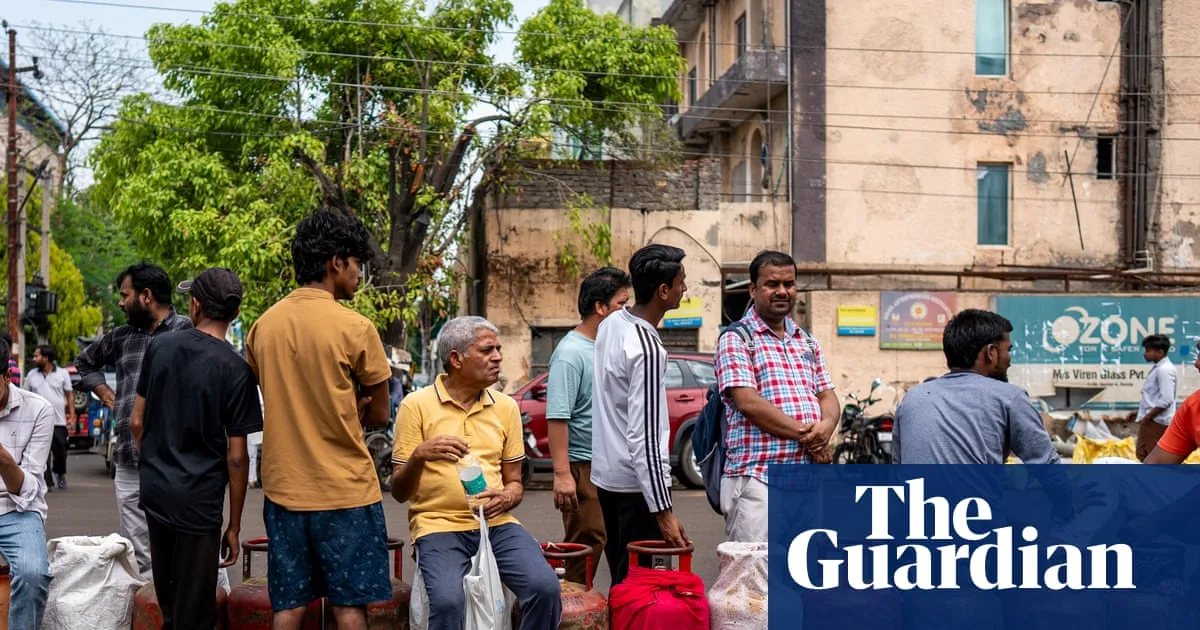
The global fuel crisis triggered by the blockade of the Strait of Hormuz is worsening, with countries implementing emergency measures to protect supply and curb rising prices. Shrinking fuel stocks and soaring costs have led to coal burning, fuel rationing, shortened work weeks, and calls for citizens to stay home.
The International Energy Agency (IEA), which last month released 400 million barrels of oil from strategic reserves, has urged actions such as flying less and driving slower. The US, which bombed Iran with Israel in late February, has threatened further strikes on Iranian oil infrastructure, potentially prolonging the war and raising prices. President Donald Trump criticised allies like the UK and France for not joining the campaign, telling them to buy US oil first.
The UK has encouraged calm and limited action to financial support for households using oil for heating. Chancellor Rachel Reeves is considering extra cash for a council-run fund for vulnerable people but has ruled out universal support. New Zealand has announced weekly cash payments to nearly 150,000 families as part of a fuel relief package, while Australia has cut fuel excise by 50% for three months and released a national fuel security plan.
The EU has called for a faster shift to clean energy, though some member states are slowing down. Italy delayed its coal phaseout by over a decade, and Germany considered keeping coal plants online longer. Several EU governments have announced fuel subsidies and tax cuts. The European Commission proposed weakening its carbon price and mandating lower taxes on electricity than fossil fuels. Slovenia has begun rationing fuel at the pump, and Lithuania halved domestic train ticket prices for two months.
Asia has been hit hardest, with India ordering coal-fired plants to run at full capacity, Japan allowing less-efficient coal plants back on the market, and South Korea lifting caps on coal electricity. Bangladesh, Thailand, and the Philippines are also increasing coal output. China is less exposed due to its green energy investments.