

Fuel Crisis Deepens as Panic Buying Spreads on Fourth Day of Irish Protests
Fuel supplies at numerous Irish forecourts are increasingly at risk of depletion as a prolonged blockade of major supply depots enters its fourth consecutive day. The situation has escalated from initial demonstrations to widespread disruptions, with hauliers and agricultural contractors intensifying their actions since Tuesday.
Escalating Protests and Government Response
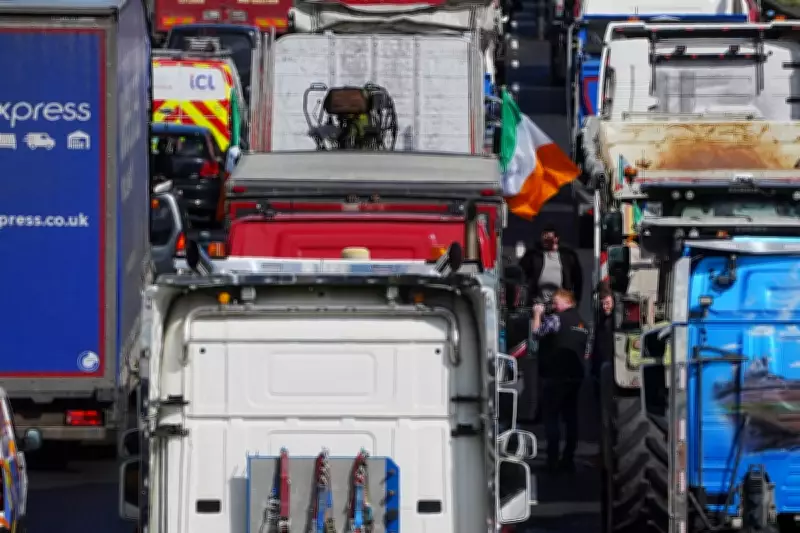
What began as slow-moving convoys on motorways and restricted access to Dublin's busiest streets has now transformed into blockades targeting fuel depots that supply approximately half of the country. Protesters are demanding that the government commit to further action on fuel costs, a core issue driving the unrest.
The Irish police service, An Garda Siochana, has announced it is moving into an "enforcement" phase of its response, with support from the military. Social media footage from late Thursday showed gardai warning protesters near Rosslare Europort in County Wexford that they could face arrest if they did not disperse peacefully.

Government intolerance of the blockades has hardened. Justice Minister Jim O'Callaghan and Defence Minister Helen McEntee stated on Thursday that the Defence Forces "remain on standby" to assist police in clearing heavy vehicles from key locations.
Critical Infrastructure Under Siege
Protesters have successfully restricted access to several vital fuel sites, including:
- A major oil refinery in Whitegate, County Cork
- Fuel depots in Galway City
- Supply facilities in Foynes, County Limerick
This strategic targeting has raised alarm bells across multiple sectors, with panic buying reported at forecourts nationwide. Some stations have already run out of fuel entirely, creating ripple effects that extend far beyond mere inconvenience.
Widespread Consequences and Warnings
Kevin McPartland, chief executive of Fuels For Ireland, issued a stark warning about the deteriorating situation. He stated that "panic buying has absolutely taken hold" and predicted that the number of forecourts running dry would worsen significantly from Thursday evening's position, where affected service stations were already in the "low double digits."
McPartland emphasized that "real significant life-death problems are going to be caused" if fuel supplies to emergency service vehicles become compromised. This concern was echoed by Ireland's emergency planning group, which expressed "serious concern" about potential impacts on vital services, supply chains, and public transport.
Broader Impacts on Health and Agriculture
The National Emergency Co-ordination Group (NECG) noted that while Ireland's overall fuel supplies remain "robust and resilient," the obstruction of key routes from ports is creating secondary crises. These include:
- Threats to animal feed and fertilizer deliveries
- Potential animal welfare issues
- Significant risks to agricultural livelihoods
Meanwhile, Ireland's Health Service Executive (HSE) reported that the disruption is already causing people to miss critical medical appointments and is impacting:
- Home care services
- Essential treatments like dialysis and cancer care
- Time-sensitive delivery of medicines and medical devices
As the protests enter their fourth day with no immediate resolution in sight, the situation continues to deteriorate, with panic buying exacerbating shortages and putting increasing pressure on emergency services and vulnerable populations across Ireland.






