

Former Government Adviser Advocates for Home Working to Alleviate UK Fuel Crisis
A former government adviser has proposed that encouraging employees to work from home could serve as a critical strategy to address mounting energy shortages in the United Kingdom. Professor Nick Butler, who previously advised Prime Minister Gordon Brown, described this approach as a "perfectly sensible" measure to mitigate the escalating crisis.
Root Causes of the Energy Shortage
The current energy shortages are primarily linked to military actions involving the United States and Israel in Iran, which commenced in February. This conflict has triggered a significant disruption in global oil markets, leading to a blockade of the Strait of Hormuz—a vital maritime route for oil transportation. Consequently, oil prices have surged by over 60 per cent, placing immense pressure on fuel supplies across Europe.
Projected Impact on Fuel Prices and Supply
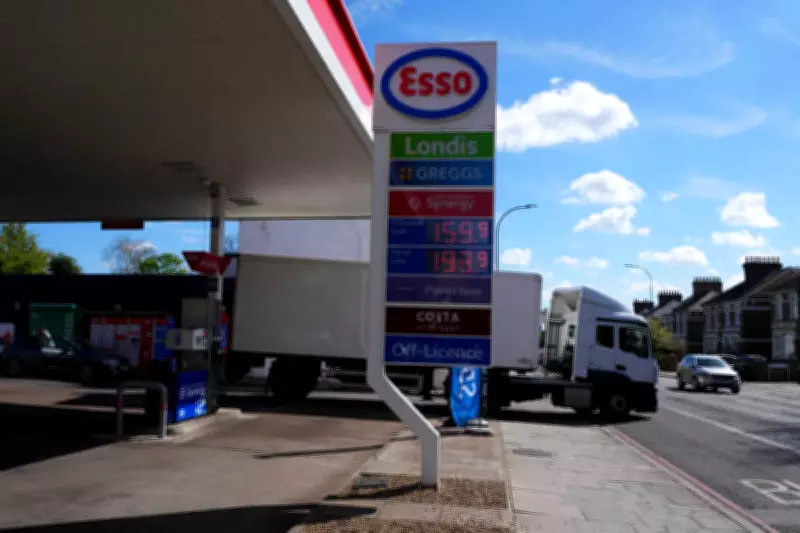
Professor Butler issued a stark warning regarding the potential consequences of this crisis. He indicated that diesel prices could rise substantially above £2 per litre, a threshold that would strain both consumers and businesses. The most severe effects on supply and pricing are anticipated to materialise in late April and early May, heightening urgency for preemptive measures.

International Precedents and Recommendations
In his analysis, Butler highlighted that several Asian nations have already implemented similar work-from-home policies in response to the energy crunch. He emphasised that adopting such practices in the UK could not only conserve fuel but also reduce overall energy consumption during peak periods. This recommendation aligns with broader efforts to enhance resilience against geopolitical instabilities affecting global energy markets.
The call for remote work underscores a growing recognition of flexible working arrangements as a tool for economic and environmental sustainability. As the crisis unfolds, policymakers and employers may need to consider these strategies to safeguard against further disruptions and mitigate the financial burden on households nationwide.






