

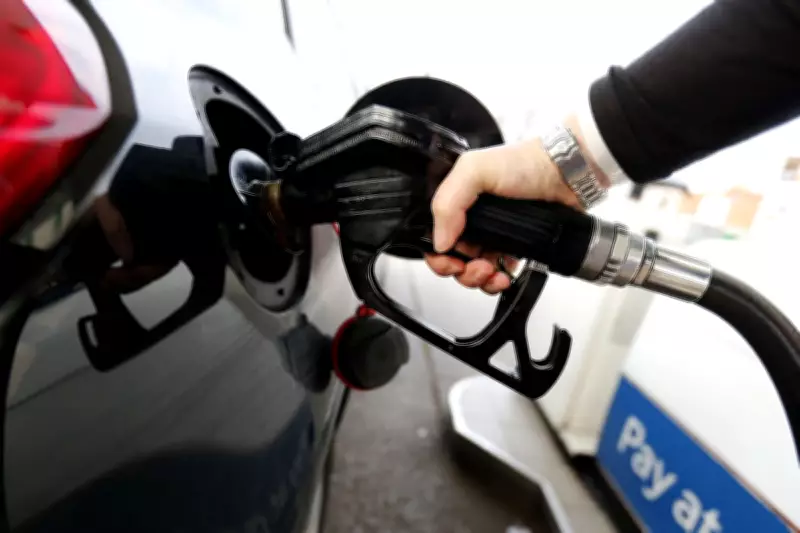
A former senior government adviser has called for UK workers to stay at home to conserve fuel, as energy shortages triggered by the war in Iran continue to escalate. Professor Nick Butler, who previously advised Prime Minister Gordon Brown and served as vice-president for strategy and policy at BP, warned that diesel prices could surge significantly beyond £2 per litre, urging ministers to implement remote working recommendations.
Fuel Prices Set to Soar Further
Professor Butler emphasised that the ongoing US-Israeli military action in Iran, which began in February, has driven oil prices to unprecedented levels. With a blockade of the critical Strait of Hormuz shipping route persisting, prices have already increased by over 60 percent this year alone. He cautioned that the worst of the crisis is still ahead, predicting severe shortages and sharp price hikes by late April and early May.
Learning from Global Examples
Highlighting international responses, Professor Butler noted that some Asian countries, where the energy crisis emerged earliest, have adopted policies such as an extra day of remote work per week. He argued that similar measures in the UK could be effective, citing behavioural science which suggests people are more likely to comply when they see others doing the same.

A Call for Government Action
When questioned about potential government interventions, Professor Butler described issuing work-from-home recommendations as a perfectly sensible measure. He expressed concern over current complacency, particularly regarding expectations that former US President Donald Trump might broker a deal to resolve the situation, warning that such assumptions are misguided.
Broader Implications for Fuel Markets
Beyond diesel, Professor Butler pointed to jet fuel prices, which have already doubled, indicating they could rise even further. His comments come amid broader political discussions on energy support, with Chancellor Rachel Reeves recently indicating that millions might receive no assistance with fuel bills, underscoring the urgency of the situation.
As the crisis deepens, Professor Butler's advice highlights a growing need for proactive strategies to mitigate the impact of global energy disruptions on everyday life in the UK.






