

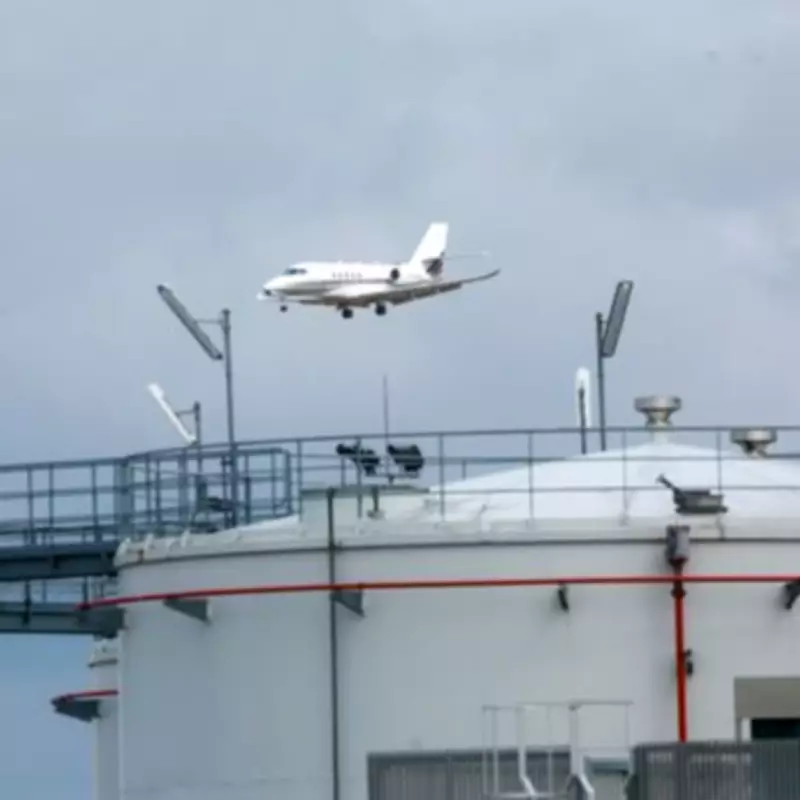
The International Energy Agency (IEA) has issued a stark warning that Europe is on the brink of a severe jet fuel shortage, with supplies potentially lasting only six more weeks. This looming crisis threatens to trigger widespread flight cancellations across the continent, exacerbating what IEA Executive Director Fatih Birol describes as "the largest energy crisis we have ever faced."
Global Energy Crisis Intensifies
Speaking from his Paris office with a view of the Eiffel Tower, Fatih Birol highlighted the dire consequences of the blockade in the Strait of Hormuz, which has severely restricted the flow of oil, gas, and other essential energy resources. He emphasized that this situation is not just a regional issue but a global emergency with far-reaching economic implications.
Economic Repercussions and Inflation Concerns
Birol warned that the prolonged disruption could lead to higher prices for petrol, gas, and electricity worldwide, further straining economies already grappling with inflation. "In the past there was a group called 'Dire Straits.' It's a dire strait now, and it is going to have major implications for the global economy. And the longer it goes, the worse it will be for economic growth and inflation around the world," he stated in an interview with the Associated Press.

Immediate Impact on Aviation and Travel
The aviation sector is particularly vulnerable, with airlines facing the prospect of operational halts if jet fuel reserves are depleted. This could result in:
- Mass cancellations of domestic and international flights
- Disruptions to travel plans for millions of passengers
- Increased costs for airlines and potential financial losses
Birol's assessment underscores the urgency for governments and industry leaders to develop contingency plans to mitigate the impact on transportation and logistics.
Broader Implications for Energy Security
Beyond aviation, the crisis highlights broader vulnerabilities in global energy supply chains. The Strait of Hormuz is a critical chokepoint for oil shipments, and its blockade has exposed the fragility of international energy markets. This event serves as a wake-up call for nations to diversify energy sources and enhance resilience against future disruptions.
As Europe braces for potential flight cancellations and economic turbulence, the IEA's warning signals a need for coordinated action to address both immediate shortages and long-term energy strategy.






