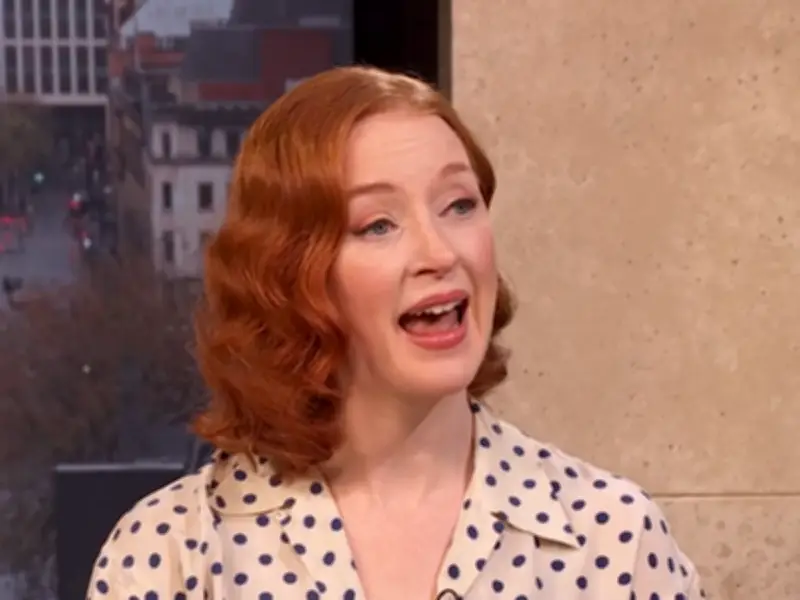
Consumers on standard variable energy tariffs are being urged to consider switching to fixed-rate deals before the price cap rises by 26% in January. Speaking on BBC Morning Live, consumer expert Iona Bain said around 20 million households could make a significant saving by acting now.
The energy regulator Ofgem has announced it will raise its price cap to £2,166 per year for a typical dual-fuel household, an increase of £443, or 26%, from current levels. Customers of major suppliers including Octopus Energy, British Gas, E.ON Next, OVO Energy, EDF Energy and Scottish Power are being advised they can take steps to mitigate the rise.
Why a fixed tariff could help
Presenter Holly Hamilton asked whether there was anything people could do to get ahead of the changes before they take effect in January. Ms Bain explained that about 20 million households remain on standard variable tariffs, meaning their bills can fluctuate in line with the price cap.
She said fixed-rate deals now look more attractive than they did previously, noting that while fixing once carried a premium, a good fixed tariff could now deliver a big saving compared with staying on a variable deal. Ms Bain recalled that during the earlier energy crisis, a standard variable tariff was the only option available to consumers, leaving them at the mercy of the cap.
Advice from Martin Lewis and support available
In a separate message to ITV This Morning viewers, consumer specialist Martin Lewis advised anyone worried about rises to get the cheapest fix they can, as it locks in the unit rate and standing charge. He said a cheap fix would guarantee paying less over the January to March period, although he added that fixes are not cheap and that people would still avoid the rise.
Mr Lewis also offered guidance for those struggling to pay, urging them to speak to their energy firm, check they are on the priority services register if vulnerable, and use emergency credit if on prepayment and unable to pay. He said the system is broken and will continue to be broken, and suggested that those unable to heat their home should heat a room with an electric heater, or heat themselves with items like a plug-in USB gilet, heated gloves or heated socks, which cost pennies to run.
Derek Mitchell, from Citizens Advice, said the increase would make bills unbearable for thousands of people, particularly those on the lowest incomes, with disabled people and rural communities facing real harm. Around 10 million households on fixed tariffs will not be affected by the cap change, while around 20 million households will receive a £100 payment towards their energy bills from January, alongside a temporary 5% VAT cut on electricity bills until June next year.
Ofgem's response to the rise
Neil Kenward, Ofgem's director general for markets, said conflict in the Middle East continues to drive energy costs higher and acknowledged the increase will be a worry for many households as winter approaches. He urged anyone struggling to afford their bills to contact their supplier, who must offer appropriate support and advice. Ofgem said it has written to energy suppliers, networks and brokers to remind them of their obligations to customers this winter.