

World Faces Unprecedented Energy Crisis Surpassing 1970s Oil Shocks and Ukraine War
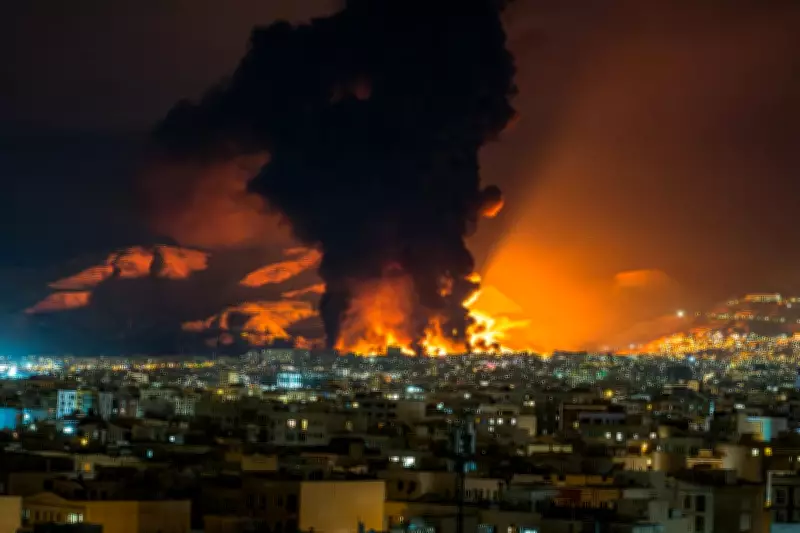
The head of the International Energy Agency (IEA), Fatih Birol, has issued a stark warning that the ongoing conflict in Iran is triggering a global energy crisis more severe than the combined impacts of the two 1970s oil crises and the war in Ukraine. Birol emphasised that world leaders initially underestimated the full consequences of the US and Israel's attack on Iran, which prompted Tehran to close the critical Strait of Hormuz.
Severe Supply Disruptions and Market Impacts
This crisis has resulted in a dramatic reduction in global energy supplies, with oil output cut by approximately 11 million barrels per day and natural gas markets losing around 140 billion cubic metres. These figures significantly exceed the disruptions caused by previous energy shocks, highlighting the unprecedented scale of the current situation.
IEA Response and Demand-Side Measures
In response, the IEA has implemented emergency measures, including releasing 400 million barrels from strategic reserves. The agency is also advocating for demand-side reductions to alleviate pressure, such as promoting increased working from home and implementing lower motorway speed limits to conserve fuel.

Geopolitical Tensions and Ultimatums
US President Donald Trump escalated tensions by issuing a 48-hour ultimatum to Iran to reopen the Strait of Hormuz, threatening to destroy Iranian energy facilities if demands were not met. Iran retaliated by striking US and regional infrastructure, further exacerbating the crisis and risking broader conflict.
Birol stressed that the global community must act swiftly to address this escalating energy emergency, as the combined effects of supply cuts and geopolitical instability threaten economic stability worldwide.






