Energy bills are finally coming down for British households, offering a much-needed respite after years of punishingly high costs. However, this relief comes with a significant sting in the tail, as many other essential expenses are set to rise sharply in April, squeezing family budgets even further.
A Glimmer of Hope with Falling Energy Costs
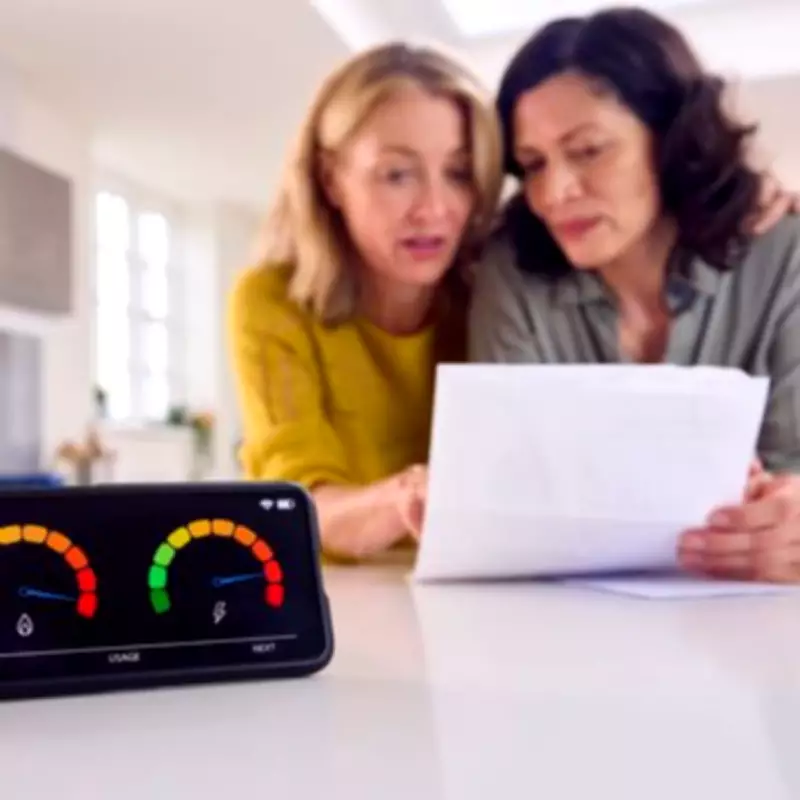
With spring-like conditions brightening the mood across much of Britain, confirmation that energy bills are heading in the right direction provides an added bonus. The average annual bill is set to drop by around £117 from April, which translates to approximately £10 per month for consumers. This reduction is driven by updates to Ofgem's price cap, which will be reviewed again in July, potentially altering these figures.
While this cut is a step forward, it is important to note that bills will remain painfully high compared to levels seen five years ago, with little hope of a return to those cheaper rates anytime soon. Moreover, the timing of the reduction coincides with warmer weather, when households typically use less heating, somewhat diluting its immediate impact.

Broader Economic Optimism Amid Challenges
Inflation is easing, having fallen back to 3%, and is on track to meet the Bank of England's 2% target. The April energy price cut is expected to nudge it further downward. Interest rates are also predicted to keep falling, with the Bank of England likely to reduce its base rate to 3.5% at next month's meeting. This will benefit many borrowers, though savers may find it less advantageous as returns diminish.
The April Squeeze: Rising Costs Loom Large
Despite the positive news on energy, households face a barrage of other cost increases in April. Water bills, which surged last year, will rise again, albeit by a smaller margin. Broadband and mobile prices are also set to climb, along with road tax, adding to the financial pressure.
Food costs remain a significant hit to many budgets, with the weekly shop continuing to strain household finances. While average wages are rising faster than inflation, this statistic offers little comfort to those who scrape through to the end of each month, waiting for the next payday.
Labour's Focus on the Cost-of-Living Crisis
Labour has made tackling the cost-of-living crisis its top priority, recognising that bringing down energy bills is a key part of this effort. The savings for households have come at a cost, shifted onto general taxation, highlighting the complex trade-offs involved.
Making people feel better about their financial situation will be crucial for Labour as it seeks to turn around its flagging fortunes in the polls. Addressing living costs is a global challenge, but domestic action on bills and wages will play a vital role in shaping public sentiment.
In summary, while falling energy bills provide a glimmer of hope, the broader picture reveals a tough financial landscape for many Britons. With multiple costs rising in April, the squeeze on household budgets is far from over, underscoring the urgency of sustained policy efforts to ease the burden.