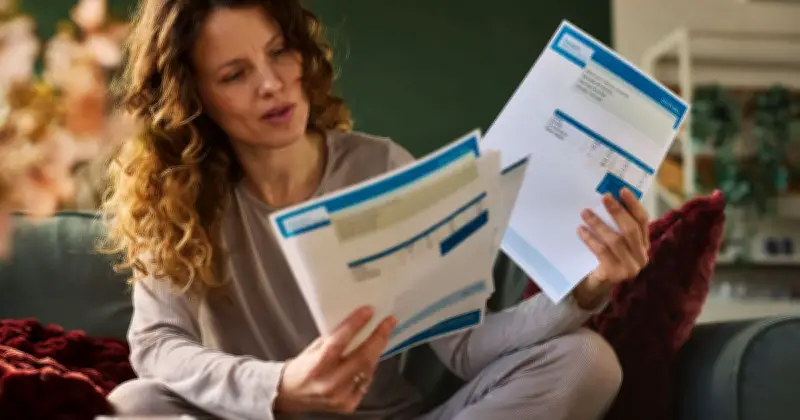
Millions of UK households face a significant increase in energy bills from January, with EDF predicting the price cap will rise by 26%, adding £443 to the annual bill for a typical home, taking it to £2,166. The new cap, which affects 22 million households on a standard variable tariff, is expected to take effect from January 1, 2027, despite a recent fall in oil and gas prices.
Price cap rise despite falling oil costs
Ofgem has not formally announced the new energy price cap, with an official statement expected on November 25. However, projections suggest a substantial hike is all but certain. The predicted increase comes even though the cost of a barrel of crude oil hit $117 last month due to the war in the Middle East before slipping below $100 at the start of November.
Bank of England Governor Andrew Bailey warned that higher energy bills will make another interest rate rise more likely, noting that a surge in inflation to 5% in the first half of 2027 was "quite backed in."
Government prepares for worst-case scenarios
The Treasury is preparing for "worst-case" energy scenarios should the war in Iran flare up again. Chancellor John Healey has ruled out more help for households this winter but is actively working to protect British manufacturing and supply chains from the impacts of the conflict. The government remains concerned about Iran attempting a full closure of the Strait of Hormuz, which handles a large proportion of the world's energy shipments. Healey has also been warned that Russia is sharing cyber capabilities with Iran, which could pose a threat to UK infrastructure.
Healey previously confirmed a one-off payment of £100 for roughly 20 million households under Council Tax bands A to D in January, and announced the 5% VAT reduction on electricity bills will be extended until next July.
Experts warn of prolonged volatility
Dr Craig Lowrey, Principal Consultant at Cornwall Insight, warned: "These prices are going to hit households hard. January is already a difficult month for many, with cold weather and bank balances still recovering from Christmas, and now they face the biggest price cap rise we’ve seen in four years."
He added: "At the moment, we can’t yet see an end to the volatility, and with gas stocks as low as they are, the effects of the conflict could be with us for many more months."
Lowrey also noted that more renewables on the system would help protect Britain from such shocks, but building them takes time and money, and the impact of spending on the electricity network continues to put pressure on bills. He warned that easing off to save money now would leave the country just as exposed the next time gas prices spike, describing this as the second energy crisis of the decade.