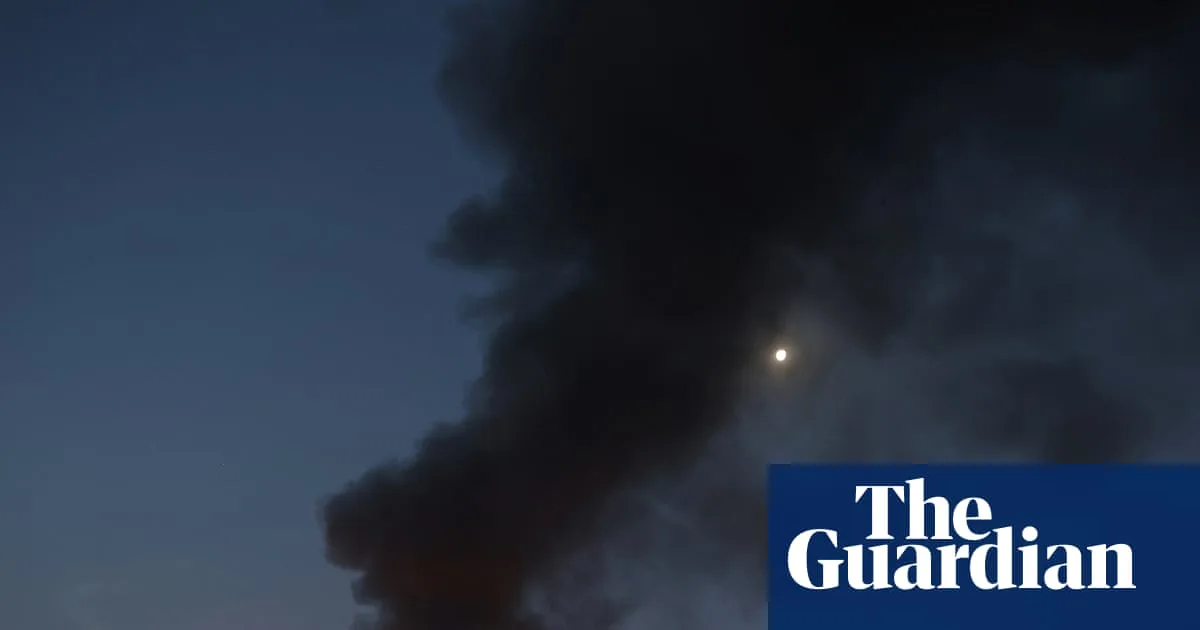
Ministers are discussing ways to offset energy price surges caused by the conflict with Iran, as household bills are forecast to rise by £160 a year. Oil and gas prices have spiked since US President Donald Trump began a bombing campaign against Iran, which has responded by closing the Strait of Hormuz and attacking regional energy infrastructure.
Household energy bills are fixed until July, when the price cap is next set by Ofgem. Forecasts suggest a 10% rise, adding £160 to the average annual bill. Energy Secretary Ed Miliband is understood to believe that prices cannot be allowed to rise substantially just as the government claims to have lowered bills due to budget decisions.
One energy department source said: “Driving down bills is one of our core cost-of-living messages. We can’t allow them to go back up, even if it involves more support for households.” Another minister added: “That can’t happen.” Treasury sources said any discussion about mitigation was premature but acknowledged it would have to be on the table if the conflict is prolonged.
Analysis by the Resolution Foundation suggests an energy shock could wipe out expected gains in living standards this year. Chancellor Rachel Reeves promised to “protect families from the turbulence that we see beyond our borders”. Rising oil and gas prices have also reduced expectations for interest rate cuts by the Bank of England.
Energy providers are already altering fixed-price tariffs, with 57 tariffs removed or updated in the last 72 hours, according to MoneySuperMarket. One frontbench MP said: “If we can suddenly find £10bn because the always-wrong OBR changed their mind last November, we can find £10bn to get people’s bills down today.”
Experts warn against an across-the-board rescue package like that launched by Liz Truss in 2022, which cost over £30bn. Helen Miller of the Institute for Fiscal Studies urged targeted help for the poorest. The Resolution Foundation renewed its call for a “social tariff” for low-income households. Labour MP Graeme Downie said the government must point blame at Iran and prepare to intervene to support ordinary people.