

Global Energy Agency Calls for Australians to Work From Home and Drive Slower to Ease Fuel Crisis
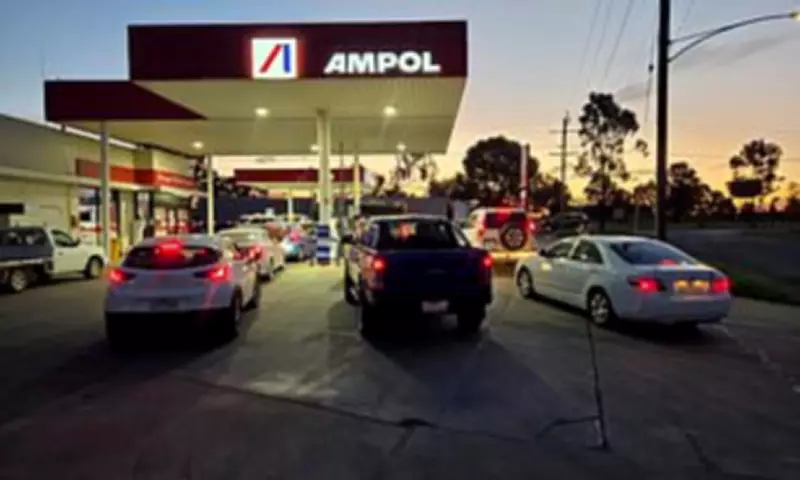
The International Energy Agency has issued urgent recommendations for Australians to work from home where possible and reduce highway speeds by 10km/h to limit oil demand during the ongoing Middle East conflict. These measures come as Australia's energy minister flags potential releases from national fuel stockpiles after dozens of service stations reported running out of petrol and diesel.
Transportation Changes to Combat Global Oil Price Spike
Recognising that 45 per cent of global oil demand originates from road transport, the agency released a series of steps on Friday aimed at easing the burden of soaring oil prices. The recommendations urge workers to stay at home where feasible and consider public transport for necessary travel. A reduction of 10km/h for highway speed limits would also significantly cut fuel consumption, according to the agency's analysis.
Beyond road transport, the International Energy Agency suggested reducing air travel and shifting away from liquefied natural gas in cooking appliances to help protect vulnerable households from energy price shocks.

Fuel Shortages Hit Australian Service Stations
Federal Energy Minister Chris Bowen acknowledged that while only a 'very low percentage' of service stations had run dry, dozens in one jurisdiction have reported having no petrol or diesel available. Figures from New South Wales revealed that of the state's approximately 2,500 service stations, 42 had no petrol available, while the number without diesel had increased from 80 to 107.
Premier Chris Minns noted that the affected service stations were mostly independent operators. NRMA spokesman Peter Khoury emphasised the importance of protecting these smaller outlets, stating they often put downward pressure on prices to compete against larger rivals.
'When the largest capital cities have price cycles, at the top of the cycles it's always the independents that are the cheapest,' Khoury said on Friday. 'Australia cannot afford to lose independents as a result of this conflict.'
Supply Chain Pressures and Government Response
Rowan Lee, chief executive of the Australasian Convenience and Petroleum Marketers Association, attributed the shortages to unprecedented demand placing pressure on supply chains. 'If service stations are out of a grade of fuel, it will generally only be for a relatively short period of time until that store can be restocked,' he explained, encouraging people to maintain their normal fuel purchasing patterns.
Khoury revealed that the spike in fuel prices had coincided with a 15 per cent increase in roadside assistance call-outs over the past month due to drivers running out of petrol.
The global context includes soaring oil prices and supply cuts following Iran's de-facto closure of the Strait of Hormuz in retaliation against US-Israeli strikes. Bowen noted that while fuel supplies remain adequate through April, releasing additional amounts from the national reserve was under consideration.
'Fuel suppliers will continue and are locked in and will continue to arrive,' the energy minister stated. 'We will release more of the strategic fuel reserve if we have to, but only if we have to. It's there for a rainy day.'
Beyond late April, Bowen added that the situation remains more uncertain and dependent on international developments.
Political Response and Oversight Appointments
Deputy opposition leader Jane Hume expressed satisfaction that a fuel coordinator had been appointed to oversee supply problems but called for more decisive action. State and federal governments appointed former Australian Energy Regulator boss Anthea Harris on Thursday to lead a fuel-supply task force.
'The fuel tsar would be entirely unnecessary if Chris Bowen was doing his job from day one,' Senator Hume remarked. 'We need to secure the supplies, certainly make sure that the distribution networks are working in every state.'
As dozens of service stations run dry of petrol and diesel, Australian road commuters face the dual challenge of implementing energy-saving measures while navigating uncertain fuel availability in the coming months.






