

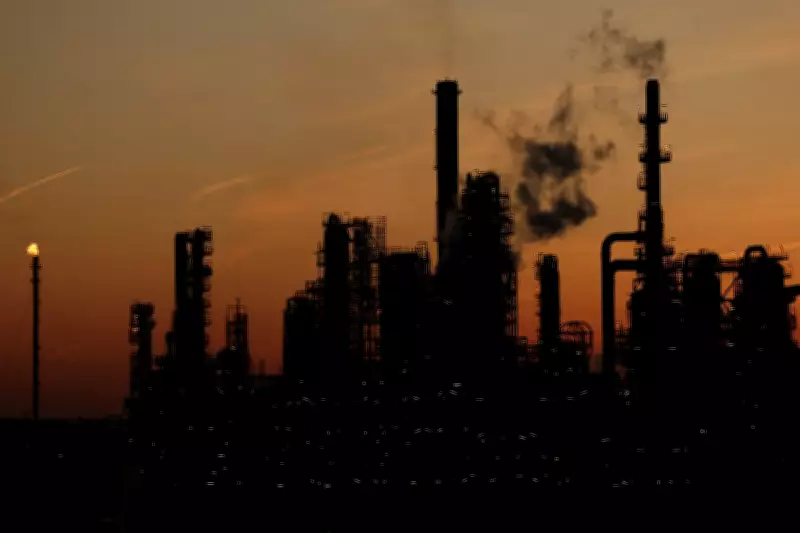
The End of Cheap Oil: Strait of Hormuz Conflict Reshapes Global Energy
The ongoing conflict in the Middle East, particularly the effective closure of the Strait of Hormuz, has fundamentally disrupted global oil supply chains. This disruption has led to a persistent 'risk premium' on oil prices, a situation that experts warn may signal the end of an era of affordable energy. Unlike previous oil shocks driven by shortages, the current challenge revolves around the ability to supply oil cheaply, reliably, and at scale.
Rising Costs and Supply Chain Friction
Several factors are compounding the issue. Rising insurance costs for vessels navigating volatile regions, significantly reduced shipping traffic through critical chokepoints, and the adoption of longer transit routes to avoid the Middle East have all increased friction within the global oil supply network. These logistical hurdles translate directly into higher operational expenses, which are passed down the chain.
The ripple effects are profound and widespread. Higher oil prices increase costs for essential commodities like fuel and fertilisers. More broadly, they impact over 6,000 everyday products reliant on petrochemicals. This includes a vast array of items from plastics and building materials to vital pharmaceuticals, putting upward pressure on the cost of living globally.

A Structural Shift in Energy Strategy
The conflict's potential to cause long-term damage to production facilities in the Middle East adds a layer of structural uncertainty. In response, industries are shifting from 'just-in-time' to 'just-in-case' supply chain strategies. While this builds resilience against future disruptions, it introduces new, permanent costs. Companies now face increased expenditures for larger storage facilities, enhanced infrastructure, and comprehensive insurance policies.
This strategic pivot, combined with the geopolitical instability, strongly suggests that the era of reliably cheap oil has concluded. The new energy landscape is characterised by higher baseline costs, which are likely to persist. This economic pressure is, in turn, accelerating the global adoption of energy efficiency measures and green energy solutions as businesses and consumers seek alternatives to mitigate rising expenses.
In essence, the blockade in the Strait of Hormuz is not just a temporary market disturbance; it is a catalyst for a lasting transformation in how the world sources, prices, and consumes energy, with significant implications for economies and everyday life.






