The UK's Electric Car Grant scheme continues to expand, offering substantial discounts to buyers transitioning to electric vehicles. With a growing list of eligible models, the initiative is playing a crucial role in making EVs more accessible and affordable across the country.
Understanding the Electric Car Grant Scheme
Introduced in July 2025 as part of the government's comprehensive Plan for Change strategy, the Electric Car Grant aims to reduce the upfront cost barrier that often deters drivers from switching to electric vehicles. The scheme received significant reinforcement in last November's budget, with an additional £1.5 billion in funding extending its operation toward 2030.
The grant operates through a two-tier discount system based on environmental credentials. Band 1 vehicles, meeting the highest sustainability criteria, qualify for the maximum £3,750 discount. Band 2 cars, which satisfy slightly lower standards, receive a £1,500 reduction. Dealerships apply these discounts directly at the point of sale, requiring no additional action from buyers.

Eligibility Requirements
To qualify for the scheme, electric cars must meet specific criteria including a minimum battery range of 100 miles and comprehensive warranty terms covering both the vehicle and its battery. Price caps also apply, generally requiring vehicles to start below a predetermined threshold. These regulations have created a diverse and expanding selection of eligible models from numerous automotive brands.
Government statistics reveal that more than 40,000 drivers have already benefited from the scheme since its inception. The recent funding injection ensures continued support for electric vehicle adoption as the UK progresses toward its environmental targets.
Band 1 Vehicles: Maximum £3,750 Discount
The following models qualify for the full £3,750 grant, representing the greenest vehicles within the scheme that meet all sustainability, range, and warranty requirements:
- Alpine A290
- Citroën ë-C5 Aircross Long Range
- Ford E-Tourneo Courier
- Ford Puma Gen-E
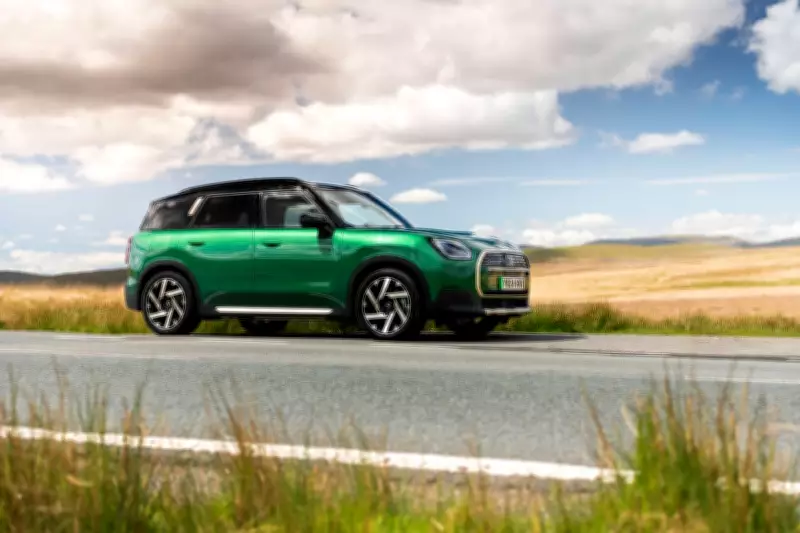
- MINI Countryman Electric
- Nissan Leaf
- Renault 4
- Renault 5 (52 kWh)
These vehicles have experienced significant sales boosts since qualifying for the maximum discount. Family-friendly crossovers and compact city cars now cost thousands less than previously, making electric alternatives more competitive with traditional petrol and diesel vehicles.
Band 2 Vehicles: £1,500 Discount
The Band 2 category includes a wide array of everyday electric vehicles from European and Japanese manufacturers. While these models may not meet the top-tier sustainability criteria, they offer strong electric performance and practical appeal:
- Citroen e-C3, e-C3 Aircross and e-C3 Urban Range
- Citroen e-C4 and e-C4 X
- Citroen e-C5 Aircross
- Citroen e-Berlingo
- Citroen e-SpaceTourer
- Cupra Born
- DS DS3
- DS No4
- Hyundai Kona Electric
- Kia EV4
- Kia PV5 Passenger
- Nissan Ariya
- Nissan Micra
- Peugeot E-208
- Peugeot E-2008
- Peugeot E-308
- Peugeot E-408
- Peugeot E-Rifter
- Peugeot E-Traveller
- Renault 5 (40 kWh)
- Renault Megane
- Renault Scenic
- Skoda Elroq
- Skoda Enyaq
- Toyota C-HR+
- Toyota Proace City Verso
- Vauxhall Astra Electric
- Vauxhall Combo Life Electric
- Vauxhall Corsa Electric
- Vauxhall Frontera Electric
- Vauxhall Grandland Electric
- Vauxhall Mokka Electric
- Vauxhall Vivaro Life Electric
- Volkswagen ID.3
- Volkswagen ID.4
- Volkswagen ID.5
Recent additions to the Band 2 list, including the Kia EV4 and PV5 alongside the Hyundai Kona Electric, demonstrate how the scheme continues to expand, offering buyers increasingly diverse options.
Industry Response and Market Impact
The automotive industry has responded positively to the Electric Car Grant scheme. Early in the rollout, the Ford Puma Gen-E became the first model confirmed for the full grant, highlighting how even best-selling vehicles can benefit from the initiative. Manufacturers like Renault have confirmed eligibility across most of their electric lineup, from practical hatchbacks to family SUVs.

Nissan's latest Leaf, manufactured in Sunderland, is expected to feature prominently among Band 1 discounts as it arrives on UK forecourts. The Renault 5 has emerged as one of the country's most popular EVs among buyers, with discounts up to £3,750 making it particularly attractive.
Remaining Challenges
Despite the scheme's success, critics note that the Electric Car Grant alone cannot overcome all barriers to electrification. Charging infrastructure remains inconsistent outside urban centers, and consumer understanding of total ownership costs varies widely. However, with plug-in vehicles accounting for a growing percentage of new registrations, early data suggests the grant has successfully encouraged more buyers to consider electric options.
For prospective electric car buyers, checking the eligibility list has become an essential early step in the research process. Whether pursuing a Band 1 discount that significantly reduces the purchase price or a Band 2 rebate that improves affordability, the scheme provides tangible financial benefits. As electric vehicle prices continue to decline with the introduction of more affordable models, and with the Electric Car Grant firmly established in UK policy, consumers now have clearer pathways than ever to transition to zero-emission driving.