Electric Blankets: The Surprising Low Cost of Winter Warmth Revealed
Electric Blankets: Low Running Costs Compared to Heating

Electric Blankets: The Surprising Low Cost of Winter Warmth Revealed

As energy prices continue to climb during the winter months, finding affordable methods to stay warm has become increasingly crucial. Fortunately, electric blankets provide an excellent solution, combining cosiness with significant cost savings. According to experts, these devices are not only effective but also remarkably inexpensive to operate, making them a smart choice for households looking to reduce heating bills.

How Much Does It Cost to Run an Electric Blanket?

Electric blankets are designed to heat only the immediate area around the user, which makes them highly energy-efficient. Ben Gallizzi, an energy expert at Uswitch.com, explains that approximately 30 percent of UK homes utilise heated electric blankets during winter. He notes that these gadgets typically consume around 100W of power on average, costing a mere 3p per hour based on current energy prices. To calculate the running cost of your electric blanket, check its power rating, multiply the wattage by the hours of use and your electricity unit rate from your energy bill.

For a rough estimate, Uswitch provides examples using the January 2026 price cap of 27.69p per kWh for electricity. A 40W electric blanket used for eight hours daily at maximum setting costs about 9p per day, equating to roughly £33 annually. In contrast, a 250W blanket under the same conditions costs 56p per day, or about £202 per year. Most electric blankets warm up within five to ten minutes, and models with automatic temperature adjustments can switch off once the desired heat is reached, further conserving energy.

Wide Pickt banner — collaborative shopping lists app for Telegram, phone mockup with grocery list

Factors Influencing Running Costs

Several elements affect the running expenses of electric blankets. Ben Gallizzi highlights that the duration of use and heat settings are paramount. Higher settings draw more power, but pre-warming the bed for a short period on high may be more economical than running it all night on a lower setting. Additionally, older blankets tend to be less energy-efficient than newer versions.

Katie Lillywight, a small appliances expert at AO, agrees, advising users to employ timers or layer blankets to retain heat, allowing for lower settings. The style of the blanket also plays a role; underblankets and mattress protectors typically cost about 7p per hour, while heated throws average 8p per hour. Heat pads are the cheapest option, at less than 1p per hour for 25Wh models. Features like size, heat settings, automatic adjustments, and multiple heating zones can impact costs, so it is wise to consider these before purchasing.

Electric Blankets Versus Central Heating

Electric blankets are far more economical than central heating because they target personal warmth rather than heating entire rooms. Using the January 2026 gas price cap of 5.93p per kWh, running a 24kW gas boiler costs £1.42 per hour, whereas an electric blanket costs only pennies. Phil Steele from Octopus Energy states that using an electric blanket can save households 10 to 20 percent on their electricity bills during winter, amounting to approximately £300 annually.

However, Laura North, project development manager at National Energy Action, cautions against using electric blankets as a complete replacement for central heating. Cold and damp homes can exacerbate health issues, so maintaining indoor temperatures between 18C and 21C is recommended. Electric blankets should be used alongside heating to reduce usage without compromising health. For those unable to afford central heating, placing an electric blanket under sheets and turning it off before sleep is advised, with energy-efficient models offering lower costs.

Energy-Saving Tips and Model Comparisons

Steven Donovan, vulnerable customer lead at OVO, emphasises that combining energy-saving practices with electric blankets can lead to savings of up to £360 per year. Recommendations include installing loft insulation, using low-energy lightbulbs, reducing boiler flow temperature, and draught proofing. Other strategies involve smart thermostats, tracking energy usage, and using thermostatic radiator valves for room-specific temperature control.

Pickt after-article banner — collaborative shopping lists app with family illustration

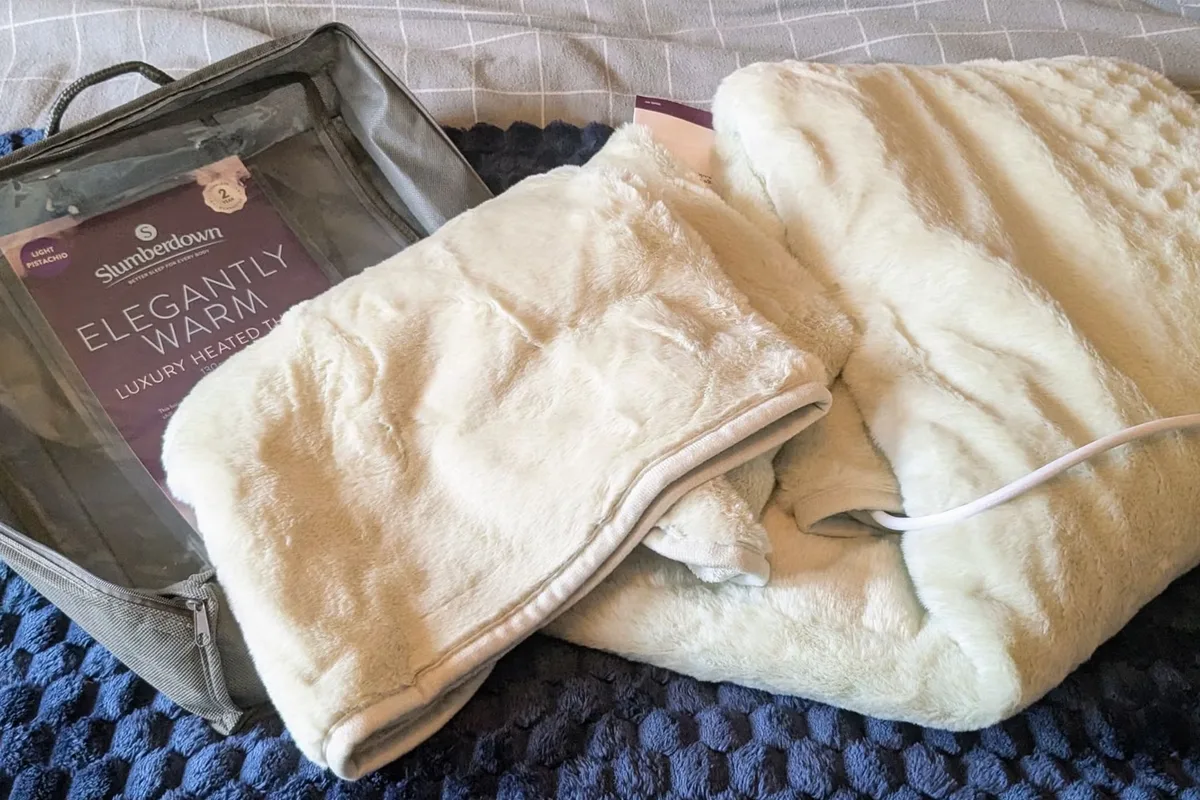
In terms of specific models, the Slumberdown elegantly warm luxury heated throw, rated at 70W, costs 1.9p per hour at maximum setting under the January 2026 price cap. The Silentnight hotel collection double electric blanket, using 65W, costs 1.7p per hour. The Dreamland hygge days luxury faux fur warming throw, with a maximum power of 150W, costs 4.1p per hour, placing it on the higher end of the cost spectrum. These examples illustrate the variability in running expenses based on wattage and usage patterns.

Safety Considerations

While electric blankets offer economic benefits, safety is paramount. The London Fire Brigade advises against using hot water bottles simultaneously with electric blankets and recommends replacing blankets if fabric shows wear or cords are damaged. Practising caution ensures safe usage while enjoying the warmth and savings these devices provide.