EasyJet CEO Warns of Summer Fare Hikes After £25m Jet Fuel Cost Surge
EasyJet Warns of Summer Fare Hikes After £25m Fuel Hit

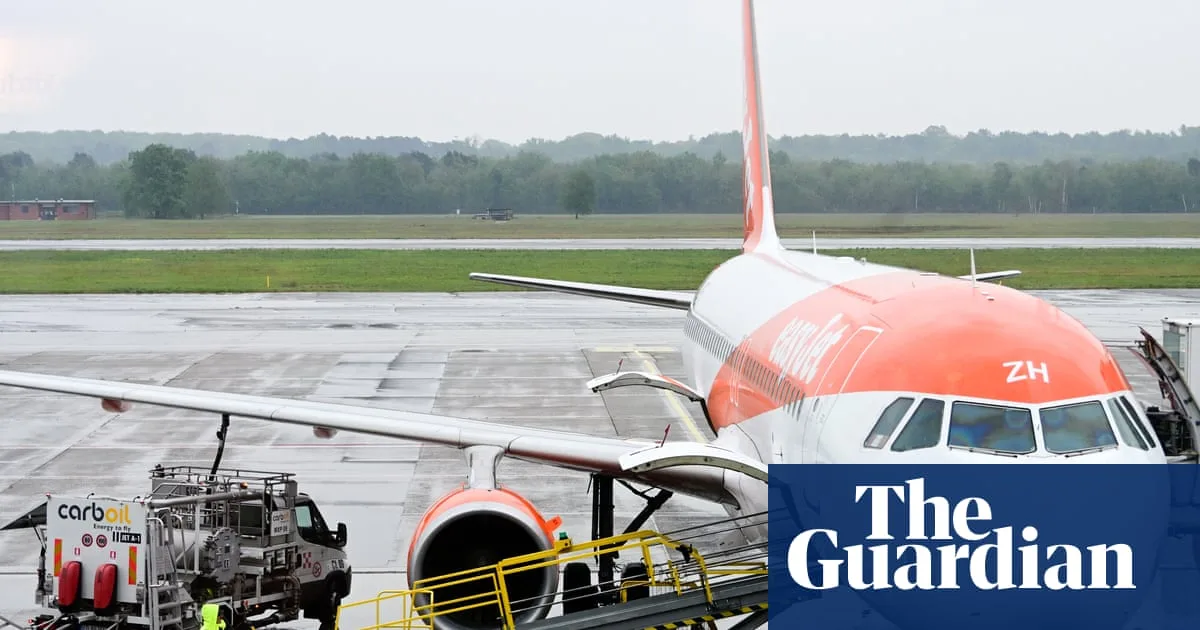
The chief executive of easyJet has issued a stark warning that summer air fares may increase significantly, following a substantial financial blow from escalating jet fuel expenses. The budget airline incurred an additional £25 million in fuel costs during March alone, a surge attributed to the ongoing conflict in the Middle East.

Fuel Price Volatility and Industry Impact

Kenton Javis, easyJet's CEO, emphasised that if high fuel prices persist, the entire aviation sector could face upward pressure on ticket prices. "If fuel remains high for longer then that will feed into the whole industry in terms of prices," he stated, highlighting the potential ripple effect on holidaymakers already grappling with cost-of-living pressures.

Hedging Strategies and Unprotected Costs

Despite employing hedging tactics to secure prices for nearly 80% of its fuel needs in advance, easyJet has been vulnerable to volatile unprotected costs. The airline confirmed it has only guaranteed 70% of its peak summer jet fuel requirements, leaving it exposed to market fluctuations exacerbated by the US-Israeli war with Iran. This conflict has driven jet fuel prices up by as much as $200 a barrel in recent weeks, disrupting global aviation operations.

Wide Pickt banner — collaborative shopping lists app for Telegram, phone mockup with grocery list

Financial Strain and Market Reaction

The Luton-based carrier anticipates its half-year loss will swell to between £540 million and £560 million, a sharp increase from the £394 million loss recorded a year ago. This deterioration includes a £30 million provision for legal costs, though specific details remain undisclosed. Additionally, weaker-than-expected demand forced easyJet to reduce prices over the past three months, compounding its financial woes—a trend expected to continue through June.

Booking Trends and Regional Shifts

Summer bookings have fallen below last year's levels, with the conflict impacting travel patterns. Customers are reportedly avoiding destinations such as Turkey, Egypt, and Cyprus, further straining the airline's revenue. The financial update triggered a significant drop in easyJet's share price during earlier trading, erasing approximately £140 million from its market valuation.

Operational Challenges and Future Outlook

Amid speculation about potential flight cancellations due to fuel shortages, Mr Javis assured that easyJet has secured enough fuel for the coming weeks, describing this as a standard timeframe with no immediate concerns. However, analysts caution that the situation remains precarious.

Dan Coatsworth, head of markets at broker AJ Bell, commented: "The airline is in good financial shape to withstand another period of disruption, and it is well-versed in dealing with setbacks given past experiences with air traffic control strikes and the stop-start pandemic backdrop. So much depends on what happens next with the Middle East crisis. A swift resolution could remove cost pressures and trigger a flurry of bookings. A prolonged crisis could see demand dwindle further and a succession of cancellations if fuel supplies run dry or are rationed in various parts of the world."

As the summer approaches, easyJet's pricing strategy will hinge on both operational costs and consumer demand, with the broader industry closely monitoring geopolitical developments for signs of relief or further escalation.

Pickt after-article banner — collaborative shopping lists app with family illustration