

Dublin's O'Connell Street Becomes Epicentre of National Fuel Protests
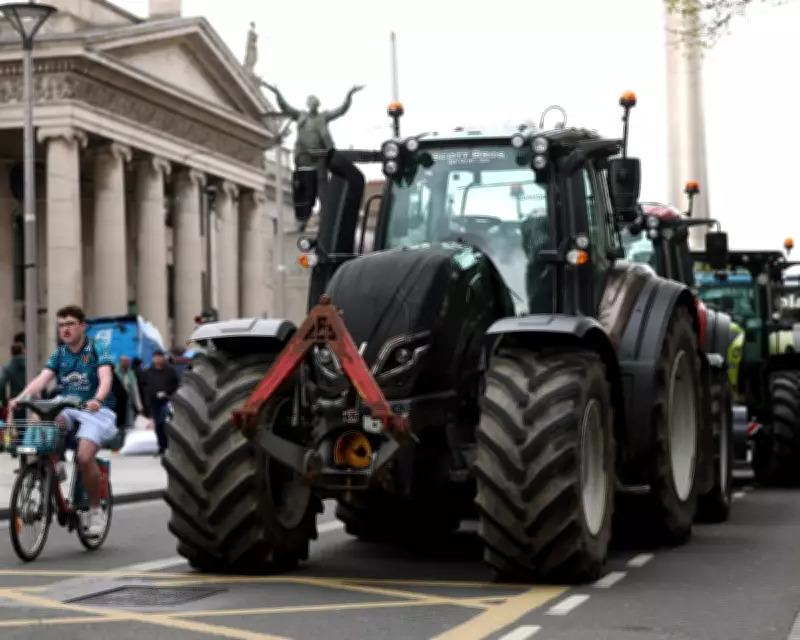
On the fourth day of the national fuel protest, 10 April 2026, O'Connell Street in Dublin, Ireland, was transformed into a hub of dissent. Tractors, trucks, and supporters lined the historic avenue, highlighting a crisis that brought the country to a near standstill for nearly a week. The scene, captured by photographer Liam McBurney, underscored the deep-seated frustrations over fuel prices and government policies.
Voices from the Streets: Profit Before People
In the driver's seat of a lime green CLAAS tractor, 19-year-old Dylan, an agricultural contract worker, shared his story. He was the second tractor to arrive, following his boss's vehicle adorned with a sign warning "No Farms, No Food". Accompanied by two young friends, aged 16 and 17, Dylan slept in the tractor through the biting April cold, alongside farmers, fishers, and truckers. "It's profit before people," he declared, criticising the government's continued levying of 60% in duties and taxes on fuel during the crisis. He warned that this would soon affect food prices, making essentials unaffordable for all.
Global Context and Government Failures
The illegal war on Iran, denounced by the Irish president, has exacerbated oil price shocks, laying bare Ireland's acute dependency on fossil fuels and volatile global supply chains. Successive governments have failed to plan for a just transition to clean energy, leaving the nation vulnerable. For six days, protesters blocked motorways, ports, and fuel depots, including Ireland's only oil refinery in County Cork. By Friday, petrol stations began running dry, while ministers vilified the protests as threats to national security, even threatening military intervention.

Solidarity and Support Amidst Disruption
Despite government criticism, on the streets of Dublin, solidarity prevailed. A local woman delivered sandwiches, urging protesters to "keep going". A Sunday survey revealed 56% public support for the protesters. O'Connell Street, named for 19th-century nationalist Daniel O'Connell, hosted tractors flying tricolours near buildings marked by bullets from the 1916 Easter Rising. One lorry displayed a coffin painted with "RIP Ireland" and placards declaring "Easter 2026", echoing historical direct actions.
Debates Over Protest Methods and Democracy
National radio callers acknowledged struggles with heating and future fears but questioned protest methods, suggesting less disruptive approaches. Concerns were raised about vulnerable individuals blocked from hospital appointments. However, the protest's impact and international headlines stemmed from direct action. This challenges notions that grassroots protests must be passive or led by recognised organisations, revealing a limited understanding of democracy.
Government Concessions and Political Fallout
In the early hours of Sunday, faced with mounted units and riot police, protesters peacefully vacated O'Connell Street. After days of refusal, the government announced €500m in concessions, including excise duty cuts and potential delays to carbon tax rises, on top of an earlier €250m package. Direct action had forced change. A no-confidence vote on Tuesday is unlikely to dislodge the centre-right coalition of Fianna Fáil and Fine Gael, despite criticism of their crisis mishandling. Dylan, too young to vote in the last election, expressed no faith in political parties.
Social Tensions and Far-Right Infiltration
Amid a trust vacuum, grassroots protests—driven by a 20% fuel price rise since last month—were complicated by agitators and disinformation. Government policies have deepened inequality during Ireland's wealth generation, fostering a far-right fringe that scapegoats migrants for housing and cost-of-living crises. At the protest, speakers promoted anti-immigrant conspiracies and misogynist rhetoric, while one spokesperson had convictions for animal cruelty. The Muslim Sisters of Éire, providing homeless soup runs for years, reported xenophobic remarks, though they still supported the fuel protest objectives.

Climate Justice and Systemic Change
Dylan questioned being labelled far-right, insisting the protest was "solely about the price of fuel". He witnessed anti-immigration demonstrations co-opting the movement, causing fear of police backlash. Dehumanising protesters like Dylan only fuels division. Climate justice requires equality and a fair transition from fossil fuels. In 2024, data centre electricity usage in Ireland surpassed that of all urban homes, with green energy gains benefiting big tech companies due to low corporation tax. Sustainable change cannot push working people to the brink while serving corporate interests.
Urgent Questions and Future Directions
Beyond fuel prices, these protests highlight over-reliance on fragile global markets. Ireland imports over 80% of its fruit and vegetables, while protesting farmers export their harvests. Lasting change must address fossil fuel dependence without enforcing suffering and inequality. Ireland should lobby the EU to reduce carbon taxes and join countries like Spain in taxing oil and gas industries profiting from the Iran crisis. The protests underscore the need for systemic reform to ensure affordability and justice for all.





