

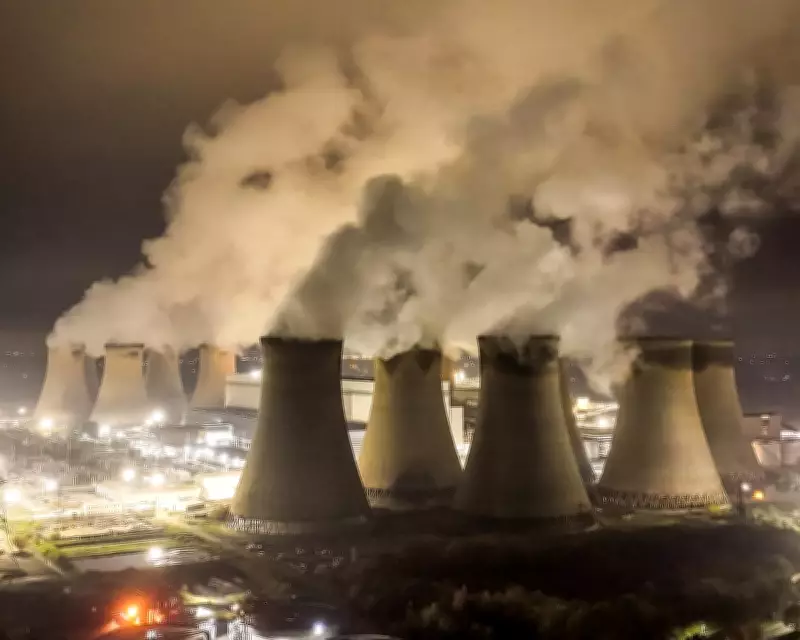
Drax Power Plant Claims Record £999m in Biomass Subsidies Amid Sustainability Scrutiny
The Drax power station in North Yorkshire, which burns biomass wood pellets to generate electricity, received record subsidies of almost £1bn in 2025, according to a report by the climate thinktank Ember. This payment amounted to £999m, costing each household in Great Britain approximately £13 annually. The plant generated about 4.5% of the country's electricity last year, producing 15 terawatt hours (TWh) of power.
Subsidy Details and Historical Context
Drax was able to claim £2.7m per day from energy bills, partly due to a 2% increase in power generation from the previous year, but primarily because of rising payouts from a legacy renewable energy support scheme. Since 2012, the company has received about £8.7bn in renewable energy subsidies. However, these subsidies have faced criticism from campaigners and scientists who argue that the wood pellets burned are not sourced sustainably and may increase carbon emissions.
Sustainability Allegations and Investigations
Concerns over Drax's sustainability claims have been raised repeatedly. In 2022, allegations emerged that the company might be sourcing wood from ecologically valuable forests. Court documents revealed earlier this year that senior staff members had internally expressed worries about the company's public statements on sustainability. These disclosures came to light during a tribunal case involving a former chief lobbyist who alleged they were dismissed after claiming Drax was "misleading the public, government and its regulator."

In response, a cross-party group of 14 MPs and peers called on Energy Secretary Ed Miliband to halt subsidies while the financial watchdog investigates historical statements. Ofgem, the industry regulator, conducted a 16-month investigation and found no evidence of deliberate misreporting but identified "an absence of adequate data governance and controls." Drax agreed to pay £25m in compensation for this breach.
Government Actions and Future Plans
The government has already halved the subsidies available to Drax under a new contract running from next year until 2031, promising that the plant will provide power only when "really" needed. Under this agreement, Drax must switch to using woody biomass from 100% sustainable sources, up from the current 70%, with "substantial penalties" for non-compliance. Additionally, Drax is reviewing its Canadian biomass pellet production business and plans to stop burning trees from British Columbia before the new subsidy regime takes effect.
Economic and Environmental Implications
Frankie Mayo, author of the Ember report, stated, "While it's a relief these overly generous payments will halve from 2027, British taxpayers should never have been in this position in the first place." Mayo added, "Nearly £1bn for woody biomass burning is an astonishing high-water mark for public subsidies – and a problematic one as prices soar." Drax claims that its power plant will save £3.1bn between 2027 and 2031 compared to running a gas-fired plant and that replacing its 2.6GW capacity with new nuclear or gas plants would require billions in capital investment.
A Drax spokesperson emphasized that the North Yorkshire plant generated a record amount of electricity in 2025, "keeping the lights on for millions of homes and businesses, no matter the weather." Despite this, the ongoing scrutiny highlights the complex balance between renewable energy goals and environmental sustainability in the UK's energy policy.






