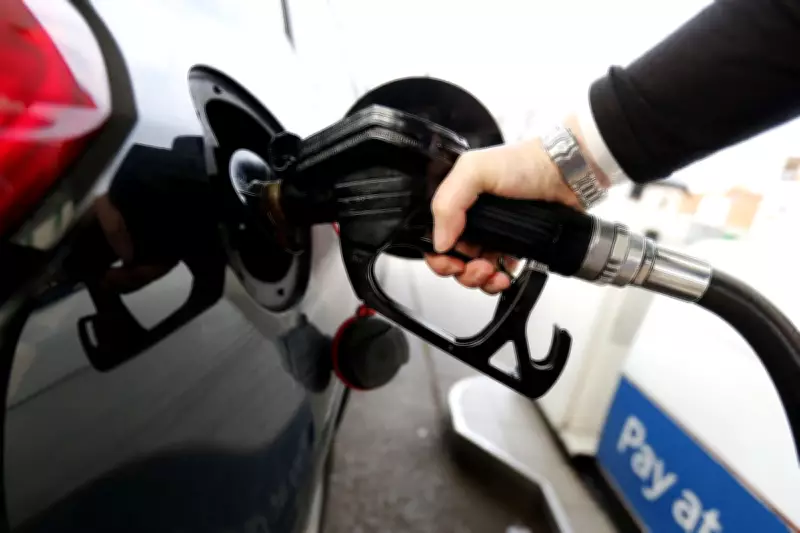
The average price of diesel in the United Kingdom has surged past 190p per litre, marking a dramatic increase of more than a third since the onset of the Iran conflict earlier this year. According to the latest figures from the RAC, diesel reached 190.6p on Wednesday morning, representing a staggering 34% rise since February 28.
Fuel Costs Reach Highest Levels Since 2022
This escalation has pushed both diesel and petrol to their most expensive points since late 2022, intensifying the financial strain on drivers across the nation. Petrol prices have also continued their upward trajectory, with average unleaded fuel now costing 151.7p per litre, a 19% increase since the conflict escalated.
Ceasefire Agreement Sparks Hope for Price Stabilisation
However, experts are cautiously optimistic that pump prices might soon "top out" following the announcement of a conditional ceasefire between the United States and Iran. This diplomatic development has taken some heat out of global oil markets, potentially easing the pressure on fuel costs in the UK.

Simon Williams, head of policy at the RAC, commented on the situation, stating: "The conditional ceasefire announcement may have provided some relief to global oil prices, but the outlook for UK drivers remains highly uncertain. In the short-term, the best hope is that pump prices stop rising at their current rapid rate and hopefully peak in the coming days."
Uncertainty Persists Despite Diplomatic Progress
While the ceasefire offers a glimmer of hope, Williams emphasised that the fuel market remains volatile. The 33.9% surge in diesel prices since late February underscores the profound impact geopolitical tensions can have on everyday consumer expenses, from transportation to goods delivery.
Motorists and businesses reliant on road transport are now anxiously watching global developments, as any disruption to the fragile ceasefire could trigger further price increases. The RAC continues to monitor the situation closely, advising drivers to stay informed about local fuel prices and consider fuel-efficient practices to mitigate costs during this period of economic pressure.