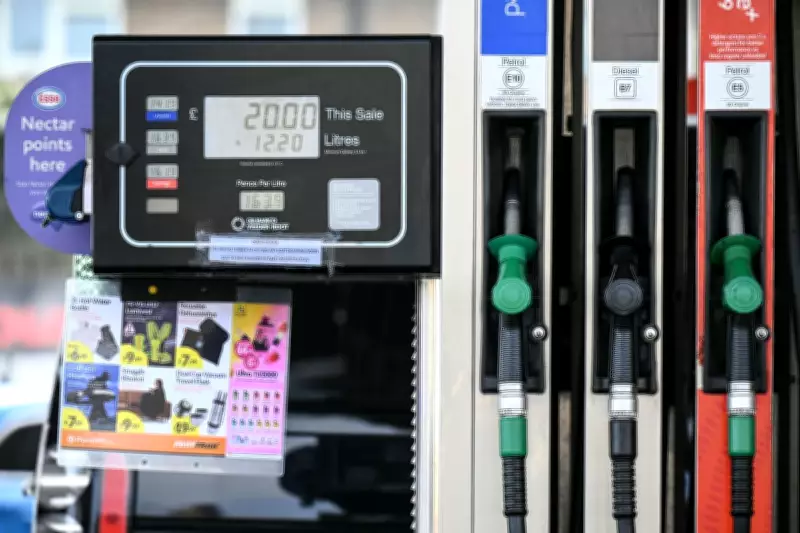
Motorists across the United Kingdom are grappling with unprecedented fuel price hikes, as diesel costs soar to a 23-year record high, exacerbated by the deepening oil crisis stemming from the war in Iran. Experts warn that the conflict's repercussions could linger for months, intensifying financial strain on households already contending with rising living expenses.
Oil Prices Surge Amid Geopolitical Tensions
The ongoing war in Iran has severely disrupted global oil supplies, with Iran now asserting control over the critical Strait of Hormuz. This strategic move has triggered a sharp increase in oil prices, which have surged by more than 3 per cent to reach $117 per barrel. The escalation reflects mounting concerns over supply chain stability and the potential for prolonged market volatility.
Impact on UK Fuel Markets
Recent data reveals that spending on fuel in the UK jumped by 11 per cent in the week following the outbreak of the Iran conflict, highlighting the immediate economic impact. The average price of diesel at forecourts has climbed to 179.9p per litre, while petrol stands at 151.4p per litre. This 28.5p gap represents the widest disparity between diesel and petrol prices since at least 2003, underscoring the severity of the current crisis.

Despite reassurances from UK ministers that fuel rationing is unnecessary, industry leaders have expressed caution. An Asda executive has warned of potential temporary shortages at petrol pumps, raising alarms about supply chain disruptions that could further inflate costs and inconvenience consumers.
Political and Economic Ramifications
Chancellor Rachel Reeves has indicated that millions of households may receive no assistance with their escalating fuel bills, adding to the political pressure as Prime Minister Keir Starmer prepares for emergency talks to address the crisis. The situation underscores broader challenges in energy policy and economic resilience, with policymakers scrambling to mitigate the fallout for both consumers and businesses.
As the conflict in Iran shows no signs of abating, analysts predict continued upward pressure on fuel prices, with potential knock-on effects across sectors such as transport, logistics, and retail. Motorists are urged to brace for further increases, while the government faces calls for more robust interventions to cushion the economic blow.