Diesel Price Gap Reaches 23-Year Record Amid Iran Conflict
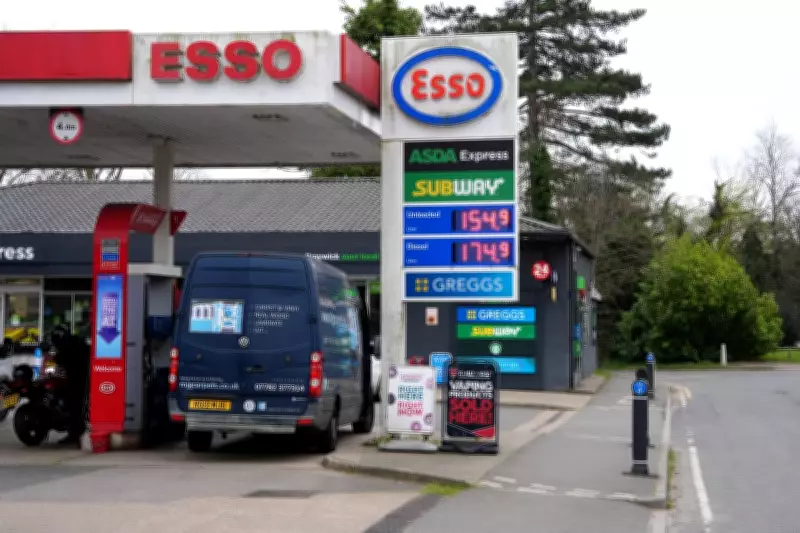
Motorists across the United Kingdom are facing unprecedented pain at the pumps, with the average price of a litre of diesel surging to 179.9p on Sunday. This represents a staggering 28.5p premium over petrol, which stood at 151.4p, marking the largest price disparity since at least 2003. The soaring costs are directly linked to the escalating conflict in the Gulf, where Iran's stranglehold on tanker traffic through the critical Strait of Hormuz has sent global oil prices skyrocketing.
Emergency Downing Street Summit Called
In response to the mounting crisis, Prime Minister Sir Keir Starmer has convened an emergency meeting with top energy, shipping, and banking executives at Downing Street. The summit, scheduled for Monday afternoon, will include representatives from industry giants such as Shell, BP, Maersk, Lloyd's of London, HSBC, and Goldman Sachs. The government aims to collaborate with the private sector on measures to mitigate the impact of the Middle East turmoil on UK fuel supplies and prices.
"If oil prices remain at this level the impact on the forecourt could be felt for weeks, if not months," warned Steve Gooding, director of the RAC Foundation. His stark assessment underscores the potential for prolonged financial strain on both consumers and businesses.

Market Turbulence and Supply Fears
The price of Brent crude oil jumped more than 3% on Monday, reaching $117 a barrel, as hopes for a quick resolution to the Iran war faded. This sustained increase is fuelling inflationary pressures and raising alarms about potential fuel shortages. Energy expert Ellen Fraser of Baring consultancy highlighted a "real risk" of the UK running short on diesel and jet fuel, citing the nation's reliance on imports and relatively low stockpiles.
Meanwhile, the conflict's political ramifications are intensifying. Sir Keir Starmer launched the Labour Party's local election campaign in Wolverhampton, firmly stating, "this is not our war and we are not going to be dragged into it." He emphasised the government's commitment to avoiding entanglement in the US-led conflict, a position praised by Deputy Leader Lucy Powell.
Political Clash Over Economic Response
The crisis has ignited a fierce political debate. Conservative leader Kemi Badenoch launched a scathing attack on Chancellor Rachel Reeves, accusing her of being "oblivious" to the cost-of-living crisis and speaking "managerial mush." Badenoch reiterated her call for increased North Sea drilling to enhance energy security, a plan disputed by experts like Dr. Simon Cran-McGreehin of the Energy and Climate Intelligence Unit, who argued it would have minimal impact on prices dictated by international markets.
Small businesses are sounding the alarm, with the Federation of Small Businesses warning that soaring diesel costs could increase their expenses by around 15%. Executive director Craig Beaumont cautioned that rising prices for consumers are inevitable as businesses grapple with this "hugely concerning" cost stack.
With over 16.2 million diesel vehicles on UK roads, the record price gap signals a prolonged period of economic pressure, as the government and industry scramble to address a crisis with no swift end in sight.