Diesel Price Disparity Hits Record High as Iran Crisis Intensifies
The price difference between diesel and petrol has surged to its highest level in over two decades, according to new figures released by motoring services company the RAC. This alarming development is placing immense financial pressure on millions of small businesses and van drivers across the United Kingdom.
Soaring Costs at the Pump
Latest data reveals that the average price of a litre of diesel at UK forecourts climbed to 179.9p on Sunday. This represents a staggering 28.5p premium over petrol, which averaged 151.4p per litre. The RAC Foundation, a motoring research charity, has warned that this price disparity is the most significant recorded since at least 2003, and potentially ever in modern records.
The crisis stems from a complex interplay of global and domestic factors. Oil prices have skyrocketed in response to Iran's aggressive stranglehold on tankers navigating the critical Strait of Hormuz. This major maritime chokepoint is vital for global oil shipments, and the disruption has directly sparked rising wholesale fuel costs, which are subsequently passed on to consumers at the pump.

Vulnerable UK Supply Chain
Compounding the issue is the United Kingdom's specific refining infrastructure. UK oil refineries are historically more geared towards producing petrol rather than diesel. Consequently, the nation's supply of diesel is disproportionately reliant on imports, making it exceptionally vulnerable to international supply shocks and geopolitical tensions like those currently unfolding in the Middle East.
The human and economic impact is severe. Latest DVLA statistics show there were 16.2 million diesel vehicles licensed in the UK as of the end of September last year. This figure includes the vast majority of light goods vehicles, such as the vans essential for tradespeople, delivery services, and small enterprises.
'White Van Man Bleeding Cash'
Steve Gooding, director of the RAC Foundation, issued a stark warning: "Diesel is the lifeblood of millions of small businesses, but today white van man is bleeding cash just to stay on the road. Whether you drive or not, soaring diesel prices will take money out of your pocket, either at the pump or in the bills you pay for everything from calling out the plumber to getting a home delivery."
Gooding further cautioned that if oil prices remain at their current elevated level, the impact on forecourt prices could persist for weeks, if not months. "That's bad news for everyone, not just drivers of the UK's 4.6 million diesel vans, the majority of which will be used for work purposes," he added.
Mounting Calls for Government Intervention
The crisis has triggered mounting calls for the Government to reconsider its fiscal plans. There is significant pressure to abandon the scheduled increase in fuel duty planned for September, a move announced by Chancellor Rachel Reeves in her November 2025 budget. The plan involves allowing the temporary 5p-per-litre cut in fuel duty to expire at the end of August 2026, with rates then gradually returning to March 2022 levels over a five-year period.
Edmund King, president of the AA, emphasised the broader economic threat: "The extra hike in diesel prices disproportionally hits businesses, deliveries, the service industry and the self-employed. The Government must be concerned about sky-high diesel prices as it is these costs that fuel inflation."
King argued that help is needed immediately, not in five months' time, suggesting that increased VAT revenue from higher pump prices could provide "'free' money in the system that could be used to help drivers out."
Government Assurance Amid Shortage Reports
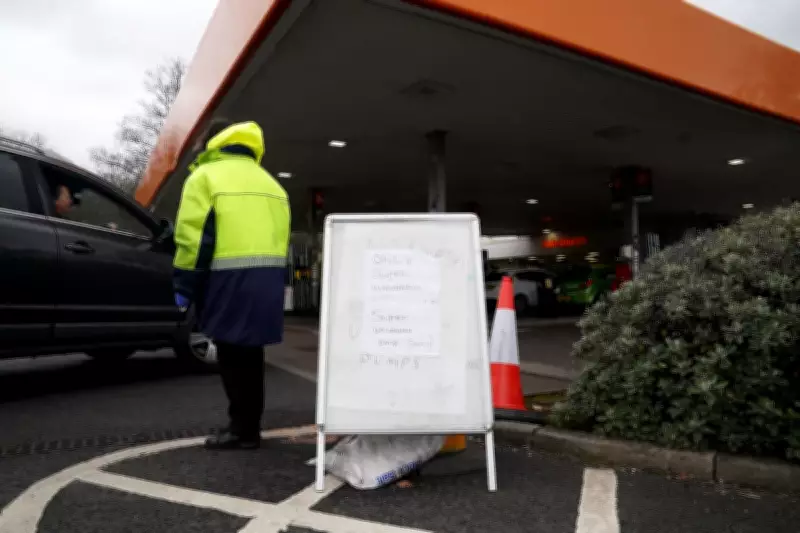
Amid reports of some petrol stations running dry, Downing Street has moved to reassure the public. A spokesman for the Prime Minister insisted that forecourts are "well-stocked nationally" and that any suggestion of widespread shortages is incorrect.

"We'll always plan for all eventualities," the spokesman stated, while affirming the government's position. "To be very clear, as the PM (Sir Keir Starmer) has said and as the Government have said, and indeed industry have said, fuel production and imports are continuing. The UK benefits from diverse and resilient supply."
Nevertheless, for the millions of van drivers and small business owners facing record-breaking diesel costs, the financial pain at the pump is a very present and pressing reality, with no immediate relief in sight as the international oil crisis deepens.