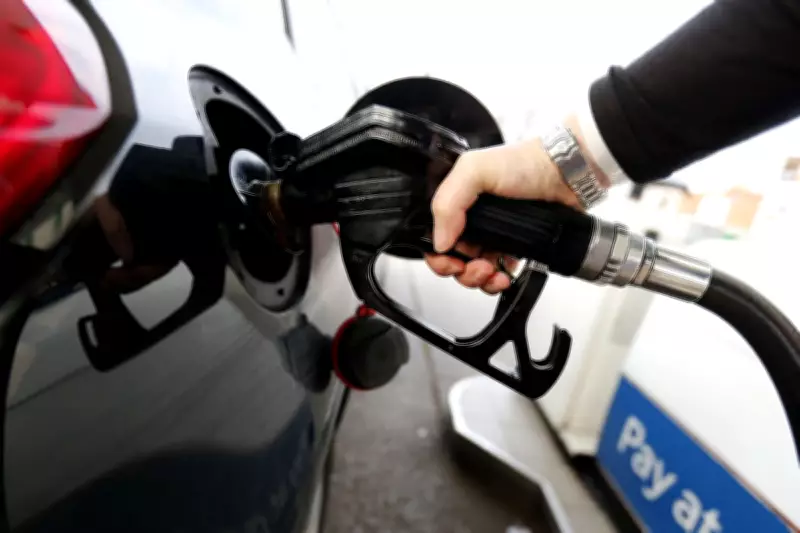
The average price of diesel across the United Kingdom has now exceeded 190 pence per litre, marking a dramatic surge of more than a third since the onset of the Iran conflict earlier this year. According to the latest figures from the RAC, diesel reached 190.6p on Wednesday morning, representing a staggering 34% increase since February 28.
Ceasefire Agreement Sparks Hope for Price Stabilisation
However, industry experts are cautiously optimistic that pump prices might finally be approaching their peak following the announcement of a conditional ceasefire between the United States and Iran. This diplomatic development has taken some pressure off global oil markets, potentially signalling an end to the relentless upward trajectory of fuel costs.
Simon Williams, head of policy at the RAC, commented on the current situation, stating: "Both fuels are now at their most expensive since late 2022. The conditional ceasefire announcement may have taken some heat out of global oil prices, but the outlook for drivers in the UK remains highly uncertain."

Petrol Prices Continue Their Ascent
While diesel has captured headlines with its sharp increase, petrol prices have also been climbing steadily. Average unleaded prices have reached 157.7p per litre, representing a 19% increase since the escalation of the Middle Eastern conflict. This dual pressure on motorists has created significant financial strain for households and businesses across the nation.
The cost implications are substantial for ordinary drivers. Filling a typical 55-litre family car with diesel now costs £104.83, which is £26 more than before the conflict began. This milestone marks the first time in over three years that diesel refills have exceeded the £100 threshold for average vehicles.
Factors Influencing Future Fuel Prices
Williams elaborated on the complex factors that will determine future pricing trends: "Much will depend on the stability of the ceasefire, whether oil shipments can move freely through the Strait of Hormuz, and the longer-term impact on oil production across the Gulf. As it is a sustained lower oil price – over several weeks, not just a few days – that is required to bring wholesale fuel costs down meaningfully."
The strategic importance of the Strait of Hormuz cannot be overstated in this context. Iran's previous restrictions on tanker movements through this crucial international shipping route, combined with damage to Middle Eastern energy infrastructure, had severely constrained global oil supplies. This supply restriction pushed oil prices to levels not witnessed since 2022, with the inevitable consequence of higher forecourt prices for consumers.
Regional Variations and Price Disparities
Despite some positive indicators, significant challenges remain. The AA has issued warnings about a "pump-price postcode lottery" affecting various parts of the United Kingdom, with rural towns particularly vulnerable to higher prices. This geographical disparity persists even as the pricing gap between supermarket forecourts and independent retailers begins to narrow, with smaller operators gradually catching up to their larger competitors.
It is worth noting that current average prices remain below the record highs established in July 2022, when petrol averaged 191.5p per litre and diesel reached 199.1p per litre. However, the rapid escalation in recent months has created considerable concern among motorists and industry observers alike.
Market Response and Practical Advice for Drivers
Global financial markets responded positively to the ceasefire announcement, with oil prices plunging and stock markets recovering sharply on Wednesday. The two-week ceasefire agreement includes provisions for reopening the Strait of Hormuz, which could significantly improve oil shipment flows if maintained.
Williams offered practical guidance for UK drivers: "Drivers should not expect significantly cheaper fuel in the short term, although some smaller independent forecourts buying on a 'spot' basis may be quicker to pass on any reductions. The best hope in the short-term is that pump prices stop rising at the rate they have been and hopefully top out in the coming days."

Government Resources for Fuel Price Comparison
The government has attempted to address consumer concerns by publishing a list of third-party fuel-price applications and websites that display prices from its Fuel Finder scheme. These resources include Confused.com, DriveScore, Fuel Finder UK, Fuel Spy, MotorMouth, PetrolPrices.com, RAC Fuel Watch, and the AA's own price monitoring services. These tools can help drivers identify the most competitive local prices amid the current volatility.
The coming weeks will prove crucial in determining whether the ceasefire holds and whether the relief in wholesale oil markets translates to meaningful reductions at UK forecourts. For now, motorists face continued uncertainty as geopolitical developments continue to dictate their weekly fuel expenditure.