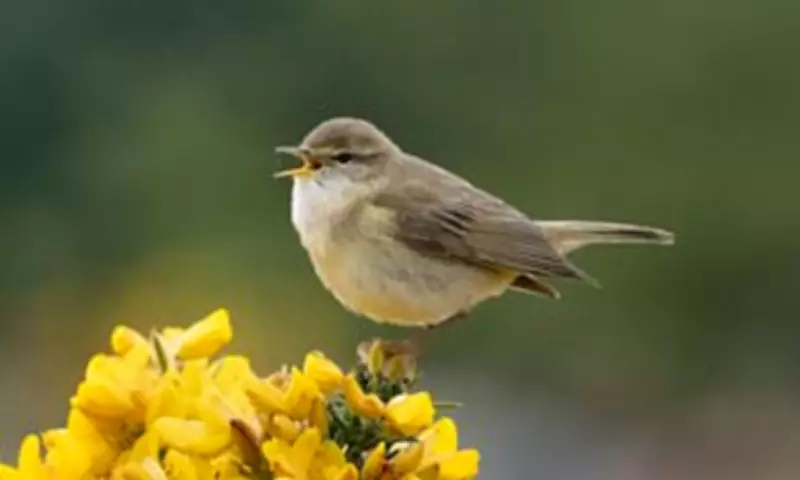
There is something delightful about waking to the sound of birds singing, but experts warn that this symphony, known as the Dawn Chorus, is fading as bird numbers plummet. The British Trust for Ornithology (BTO) reports that populations of familiar songbirds like the chaffinch and willow warbler are declining, making the Dawn Chorus a 'much-diminished event' compared to previous generations.
Decline in Familiar Songsters
The BTO's Breeding Bird Survey (BBS) reveals that the chaffinch, a key voice in the avian choir, has declined by 36% between 1995 and 2024, primarily due to trichomonosis, a disease that also affects greenfinches and collared doves. Climate change is severely impacting the willow warbler, known for its melodious song. While populations grow in northern Britain and Northern Ireland, England has seen a 47% decline since 1995.
The song thrush is recovering in northern regions but continues to decline in London, down 47% since 1995. Its larger cousin, the mistle thrush, has dropped 40% across the UK. The willow tit has suffered the steepest decline, down 92% since 1995. Even the house sparrow, a staple of urban Dawn Choruses, has reached its lowest recorded population in 2025.

Conservation Efforts Show Promise
Despite these declines, some conservation efforts are working. Wetland restoration has boosted reed warbler numbers by 51% since 1995. Professor Juliet Vickers, CEO of BTO, emphasises that songbirds are indicators of ecosystem health, and their decline signals broader environmental issues.
The RSPB's Big Garden Birdwatch found that greenfinch numbers have fallen by 67% since 1979, placing them on the UK Red List. The spread of trichomonosis at bird feeders is a key factor. The RSPB now advises 'safe and seasonable' feeding, recommending that from May to October, feeders with seeds and peanuts be paused to reduce disease risk, while mealworms and fat balls can still be offered.
Dr James Heywood, organiser of the BBS, encourages people to enjoy the Dawn Chorus on International Dawn Chorus Day (May 3) but warns that without action, this 'free symphony' could become a whisper.