Cuba's Power Grid Falters Again: Third Nationwide Blackout in a Month
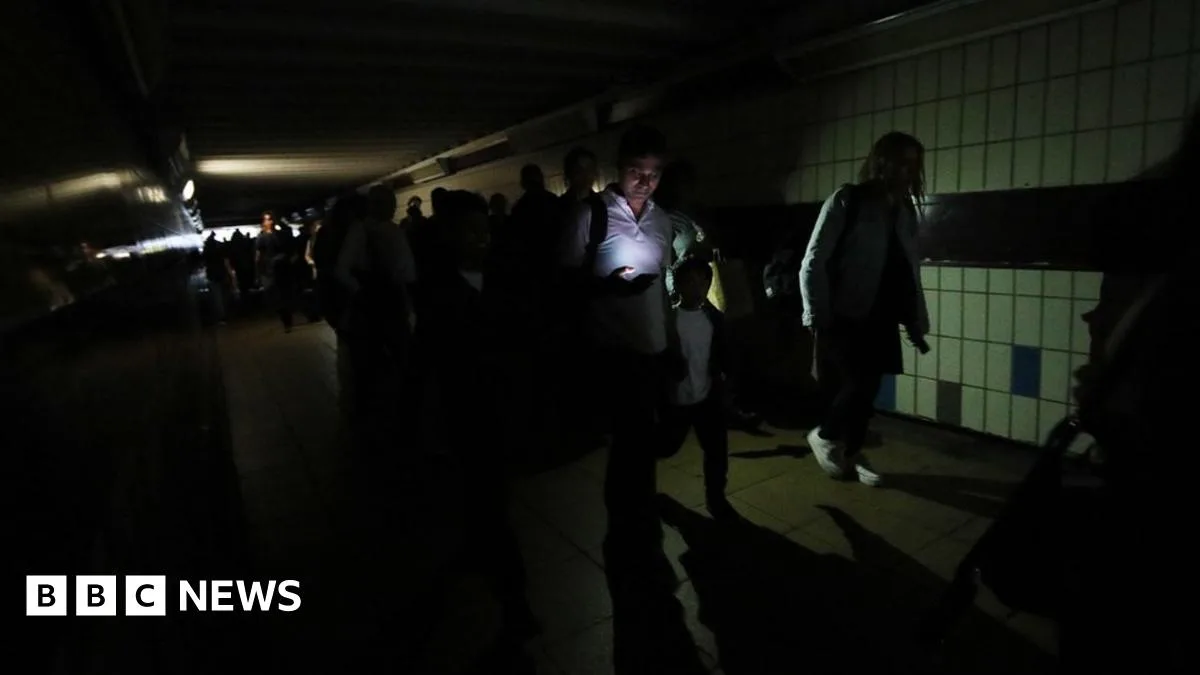
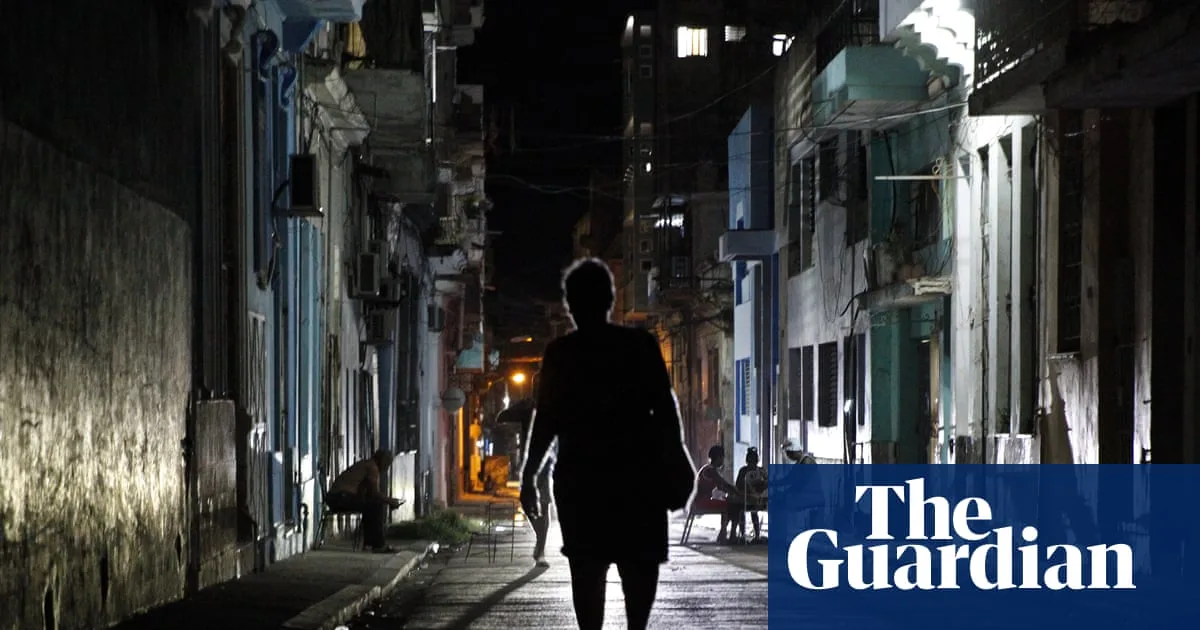
Cuba has initiated the painstaking process of restarting its national power grid following yet another catastrophic nationwide blackout, marking the third such collapse within a single month. The outage, which commenced on Saturday, plunged millions of citizens into darkness, severely disrupting daily life across the island nation.
Restoration Efforts Underway Amid Widespread Disruption
According to reports from the state-run Electric Union and the Ministry of Energy and Mines, restoration efforts saw approximately 72,000 customers in the capital, Havana, regain electricity by early Sunday morning. This figure includes five critical hospitals but represents only a small fraction of Havana's total population, which stands at around two million people.
In response to the crisis, local power microsystems were hastily established in Havana and provinces such as western Matanzas and eastern Holguin. These microgrids were designed to supply power to the most vital centers, including healthcare facilities and essential services. Residents in certain areas of the capital reported to The Associated Press that their electricity returned during the early morning hours, offering a temporary respite from the darkness.
Root Causes of an Unprecedented Energy Crisis
Cuba is currently grappling with an unprecedented energy crisis driven by multiple factors. The nation's aging electrical infrastructure has suffered drastic erosion in recent years, making it increasingly vulnerable to failures. However, the Cuban government has also pointed to the longstanding U.S. energy blockade as a significant contributor to the outages.
This situation intensified in January when former U.S. President Donald Trump issued warnings of tariffs against any country that sells or provides oil to Cuba. The Trump administration has demanded that Cuba release political prisoners and initiate moves toward political and economic liberalization as conditions for lifting sanctions. Trump has further raised the possibility of what he termed a "friendly takeover of Cuba."
Compounding the fuel shortage, the removal of Venezuela's former President Nicolás Maduro by the U.S. halted critical petroleum shipments from Venezuela, which had been a steadfast ally to Havana. Cuban President Miguel Díaz-Canel has revealed that the island has not received oil from foreign suppliers for three months, with domestic production covering barely 40% of the fuel required to power the economy.
Daily Impact on Cuban Citizens
The recurrent blackouts have a profound and debilitating impact on the population. Daily life is severely disrupted by reduced work hours, an inability to cook due to lack of electricity, and widespread damage to household appliances from voltage fluctuations.
Suleydi Crespo, a 33-year-old mother of two, shared her ordeal with AP on Saturday: "With the blackout and low voltage, my refrigerator broke — that was today. The day before yesterday, the voltage also dropped around 10 at night. If there's no electricity tomorrow, we won't be able to get water."
Residents across Cuba have expressed deep exhaustion from the constant outages, whether they are nationwide events or partial disruptions. The emotional and physical toll is mounting as citizens struggle to adapt to an increasingly unreliable power supply.
Technical Failures and Official Responses
The Cuban Electric Union, which operates under the Ministry of Energy and Mines, reported that the total disconnection of the national energy system was triggered by an unexpected shutdown of a generation unit at the Nuevitas thermoelectric plant in Camaguey province. Specific details regarding the cause of this failure were not provided.
This latest outage follows a previous nationwide blackout that occurred just days earlier on Monday, which took several days to fully resolve. Saturday's collapse represents the second major outage within the past week and the third in March alone, highlighting the fragility of Cuba's energy infrastructure.
Dagnay Alarcón, a 35-year-old vendor, encapsulated the prevailing sentiment of resignation: "We have to get used to continuing our usual routine. What else can we do? We have to try to survive. Get used to events, with or without electricity."
Government Acknowledgment and Broader Economic Strain
Authorities, including President Díaz-Canel himself, have openly acknowledged the severity of the current energy situation. Vice Minister of Energy and Mines Argelio Abad Vigo explained this week that Cuba has endured three months without receiving supplies of diesel, fuel oil, gasoline, aviation fuel, or liquefied petroleum gas—all of which are vital for economic activity and power generation.
The ripple effects of this fuel shortage are widespread. Fuel sales for vehicles are now strictly rationed, airlines have either suspended flights or reduced their frequencies, and many workplaces have been forced to implement reduced operating hours to conserve energy.
Former President Trump has repeatedly suggested in recent months that Cuba's government is on the verge of collapse. Following a previous grid failure, Trump told reporters he believed he would soon have "the honor of taking Cuba," underscoring the geopolitical tensions exacerbating the island's domestic crises.