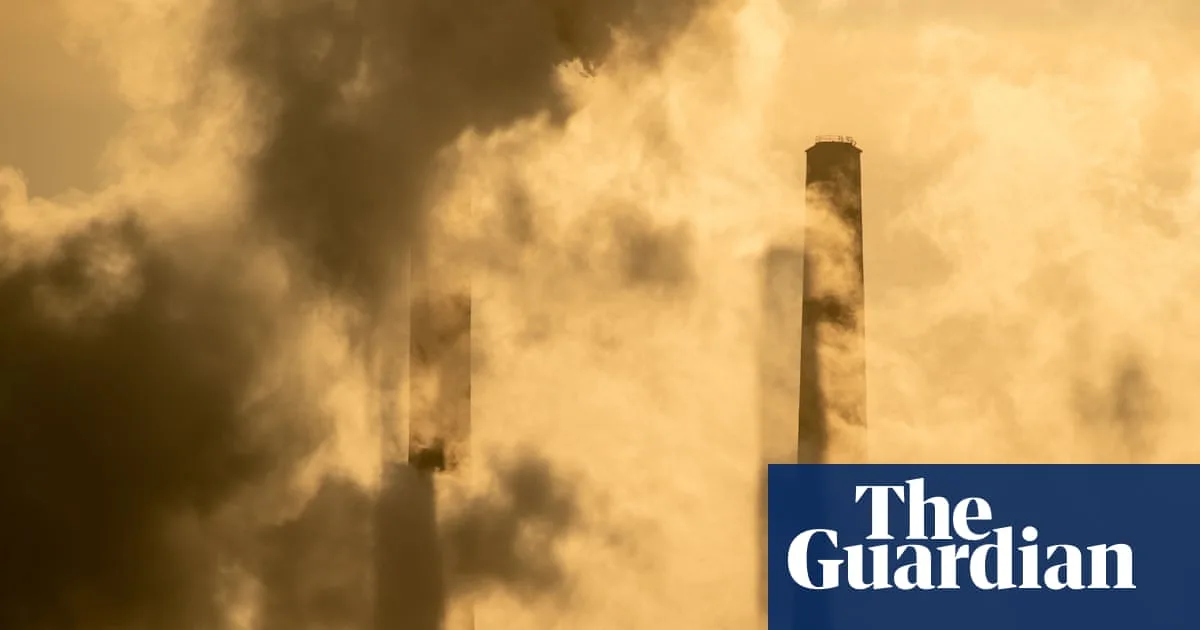
Three global banks are being paid to obscure who profits from 51 fossil fuel projects in Australia that produce 22 million tonnes of carbon emissions each year, according to new analysis by US-based research group Global Energy Monitor (GEM).
The report found that nominee companies—paid to be listed as shareholders on behalf of unnamed investors—were listed as major shareholders in 25 publicly listed energy firms in Australia, which collectively account for nearly 18% of the nation’s fossil fuel emissions. The three nominees, subsidiaries of Citibank, HSBC and JP Morgan, were listed as shareholders in companies producing carbon emissions roughly equivalent to the output of 4.4 million Australian homes each year.
“Nominee companies are middlemen in corporate ownership: They hold shares in name only, masking the identity of the actual owners,” said GEM research analyst Gabe Louis. “This makes it incredibly difficult to pinpoint who is the actual shareholder. With no rules on nominee companies, fossil fuel backers can profit while staying hidden from public scrutiny.”
The report found nominees were listed as owners of close to 70% of Origin Energy’s shares, two-thirds of Whitehaven Coal’s shares, and more than a third of AGL Energy’s shares. Jenifer Varzaly, an associate professor in commercial law at Durham University, said nominee companies may provide a “cloaking mechanism” for some investors, as in Australia companies must disclose investors holding more than 5% of shares, but below that threshold the public will not know who sits behind a nominee.
Transparency International Australia’s chief executive, Clancy Moore, said the Albanese government is taking first steps with a draft bill to create a register of beneficial owners, but more needs to be done. Greens spokesperson Nick McKim said nominees “were letting coal, oil and gas profiteers cash in from the shadows” and that a public beneficial ownership register with teeth would make nominee companies redundant.
In the UK, nominee companies holding more than 25% of a company’s shares must disclose who is benefiting, a requirement not present in Australia. The report notes that nominee companies are not exclusively used in the fossil fuel sector, with close to 70% of shares in pharmaceutical company CSL and about 90% of shares in property developer Mirvac also registered with nominees.