Global Oil Crisis Escalates as Prices Surge 34 Percent
The intensifying conflict between the United States, Israel, and Iran has triggered a severe global oil crisis, with profound implications for economies worldwide. The effective closure of the Strait of Hormuz, a critical maritime chokepoint through which approximately twenty percent of the world's oil and natural gas flows, combined with targeted attacks on oil production facilities across the Middle East, has propelled oil prices upward by a staggering thirty-four percent.
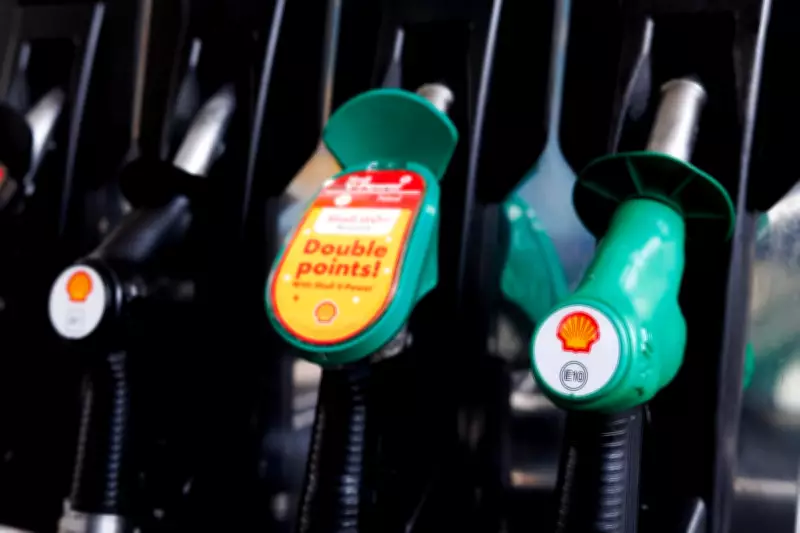
Brent crude, the global benchmark for oil prices, now exceeds one hundred US dollars per barrel. This dramatic increase directly translates into higher costs for consumers, as the price of petroleum-derived products like petrol and gasoline has surged correspondingly. Understanding the journey from crude oil to usable fuel reveals why these market shifts carry such significant weight.
The Fractionation Process: Transforming Crude into Consumer Goods
While consumers often fixate on headline oil prices, the economic reality is far more intricate and long-term. A barrel of crude oil is not directly usable; it must undergo a complex transformation process known as fractionation. This chemical engineering discipline breaks down the crude into the chemical components necessary to manufacture over six thousand everyday products.

These products encompass a vast array of household items, including the textiles and dyes in our clothing, the electronics we use daily, the flooring under our feet, and the pharmaceuticals that regulate our health. Although some petroleum-based products can be substituted with non-petroleum alternatives, such replacements often increase consumer prices by an order of magnitude, making them economically unfeasible for many.
The fractionation process employs high-temperature vessels called columns to separate fluids into less dense and more dense products. This operation is analogous to simmering a pasta sauce, where a chef uses precise temperatures to boil off water, the less dense component, and concentrate the flavorful tomato chemistry.
Sequential Refining and Product Diversity
Unlike the relatively simple chemistry of a tomato, a barrel of crude oil contains tens of thousands of individual chemicals. Consequently, between five and ten fractionation columns must operate in sequence, each yielding a more precise product than the last. The initial columns produce familiar commodities: natural gas, the lightest product, often powers domestic stoves; gasoline, the next densest, constitutes about half the volume of a traditional oil barrel.
With additional heat and cost, heavier products are further split into kerosene, commonly known as jet fuel, and diesel fuel, which makes up roughly one quarter of an average barrel. The remaining products require extremely high temperatures for separation, yielding chemicals essential for manufacturing modern roads, rubbers, synthetic fabrics, plastics, and cosmetics, among numerous other items.
Geological Variations and Refinery Challenges
A final layer of complexity arises from the geological processes that create crude oil. Over millions of years, high pressures and temperatures liquefy, or cook, volumes of deceased plants and animals, often deep underground. Since the biological and geological characteristics of each biome are unique, the crude oil formed is equally distinct.
This variability means one barrel of oil cannot simply be traded for another and processed identically in refinery columns. These columns require months to achieve stable operation and are heavily dependent on the specific type and properties of the inlet oil. This dependency underscores the challenges in rapidly adjusting to supply disruptions.
Time Lags and Global Economic Exposure
Crucially, a significant time lag exists between producing a barrel of oil and its chemistry reaching consumers, typically spanning one to three months depending on product complexity. Gasoline prices may reflect market changes within weeks, while consumer plastics, such as food storage containers, might require multiple quarters to show an impact.

Countries heavily reliant on crude oil imports, particularly those with limited domestic reserves or refining capacity, face heightened exposure. They must import not only crude oil but also the refined products described above. Nearly one third of the oil exported through the Strait of Hormuz is destined for China, with China and other Asian buyers collectively accounting for three quarters of these export destinations.
Although the conflict involves Western and Middle Eastern forces, it is ironically the Pacific nations that bear the greatest near- and mid-term inflationary risks as this vital shipping lane remains imperiled. The interplay of geopolitical strife, chemical engineering processes, and global market dynamics continues to shape the unfolding oil crisis, with far-reaching consequences for economies and consumers worldwide.