Ceasefire Brings Temporary Relief to Financial Markets Amid Ongoing Volatility
A two-week ceasefire in the Iran war has provided a much-needed respite for global financial markets, triggering a significant plunge in oil prices and a rally in stock indices. The announcement has renewed hopes for the global economic outlook, offering a brief moment of calm after six weeks of mounting economic damage. However, this relief is far from absolute, as the situation remains highly volatile with conflicting signals from key players.
Strait of Hormuz Closure Triggered Modern Energy Crisis
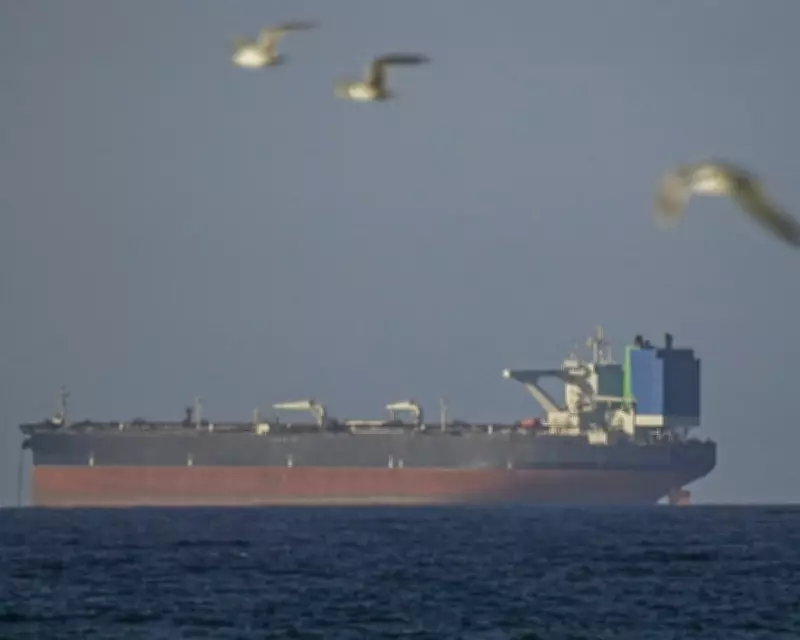
For the past six weeks, the effective closure of the Strait of Hormuz by Tehran has precipitated the worst energy crisis of the modern era. This critical waterway facilitates about a fifth of global oil and gas supplies, making its blockage a severe blow to a world still heavily reliant on fossil fuels to drive economic activity. Steps towards peace should help limit further costs, and any progress in reinstating shipments through the strait will ease fears of an apocalyptic supply crunch.
However, uncertainty persists as Tehran and Washington issue contradictory messages regarding whether the Hormuz channel is truly open. Compounding this, Israel continues to strike Lebanon, adding to the instability. With no guarantee of a durable peace in the Middle East, significant economic risks linger, casting doubt on whether shipping in the strait and oil prices will return to normal levels anytime soon.

Lasting Economic Consequences Already Evident
Enough damage has already been inflicted to ensure lasting consequences. Consumers are feeling the pinch from energy prices that remain elevated compared to pre-war levels. The destruction of oil and gas facilities, disruptions to shipping lanes, and halted production lines cannot be restored overnight. Even after a more than 10% fall in the oil price on Wednesday, Brent crude remains above $90 per barrel, significantly higher than the pre-war level of below $73.
Relative to a prolonged conflict that could have kept prices above $100 per barrel, the current decline represents progress. A worst-case scenario of persistently high oil prices threatened to trigger recessions in multiple countries worldwide. Yet, despite tentative steps towards peace, most economists forecast that oil prices will stay above their pre-war level throughout 2026.
Economic Forecasts and Lingering Uncertainty
In its baseline postwar forecast, the consultancy Capital Economics predicts that oil prices will decline but still end the year at $80 per barrel. Under this scenario, headline inflation is expected to rise to about 3-4% year on year in the US and Europe, while GDP growth slows in most major economies. The unpredictability of both Iran and former US President Donald Trump adds to the uncertainty and risk, complicating recovery efforts.
Before the conflict, few economists predicted Iran would follow through on threats to close the Strait of Hormuz. Tehran had raised the prospect of shutting the waterway during nearly half a century of tension with Washington since the 1979 Iranian revolution, but never acted. The perceived stakes were too high, given the channel's importance for Iran's own economy and the global response any closure would provoke. That logic has now changed, introducing lasting uncertainty that could depress economic activity or add a premium to business costs.
IMF Warns of Lasting Economic Scars
In a timely report released on Wednesday, the International Monetary Fund issued a stark warning. Typically, wars since 1946 leave enduring economic scars that can take more than a decade to recover from. Persistent political and economic uncertainty, even after peace is declared, can continue to depress expected returns on investment, sustain capital outflows, and constrain both investment and labor supply. The current situation in the Middle East serves as a clear present-day example of these dynamics.
For a region that acts as a linchpin for the world economy, the repercussions of this volatility will be felt far and wide. As markets navigate this fragile ceasefire, the focus remains on whether a lasting peace can be achieved to stabilize energy supplies and support global economic recovery.