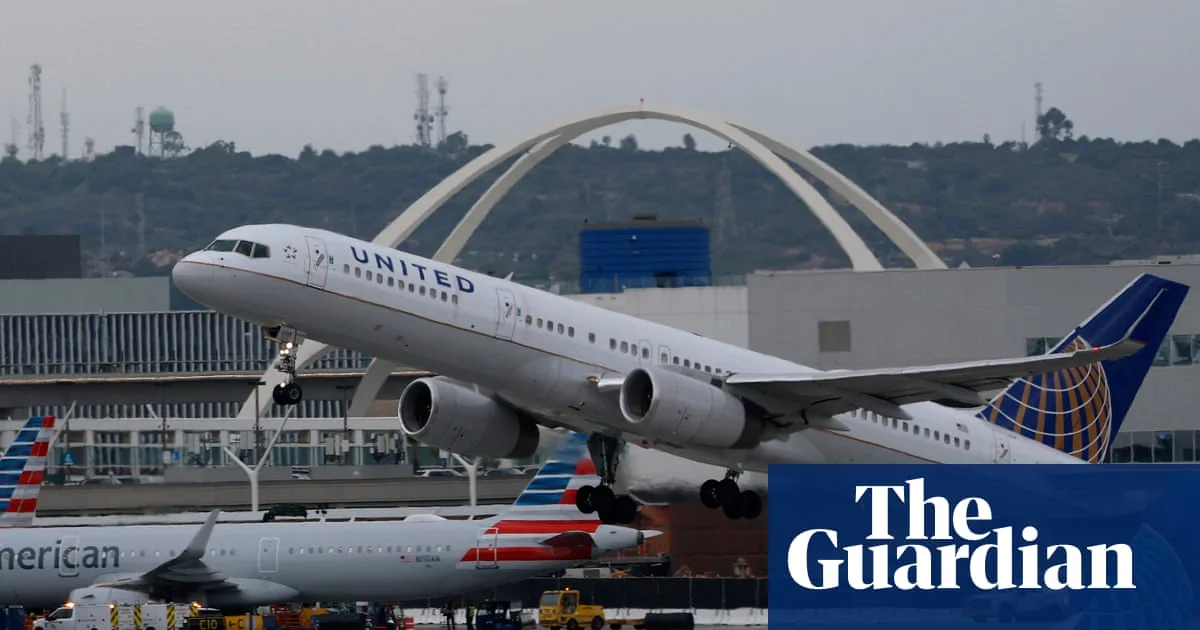
California’s jet fuel supply has fallen to its lowest level in three years, with stocks standing at just over 2.6 million barrels as of 17 April, down from 3.2 million barrels two years prior, according to the California Energy Commission (CEC). The drop comes as ongoing instability in the Middle East continues to strain global oil markets.
The state now relies on foreign sources for 61.1% of its oil supply, a shift from the early 1990s when nearly half came from domestic refineries. Much of this foreign oil is imported from Asian refiners, who themselves depend heavily on Middle Eastern crude. Traffic through the Strait of Hormuz, a vital waterway for oil tankers, has plunged amid the conflict between the US, Israel and Iran.
Jet fuel prices have surged as a result. In late April, the average price across major US cities including Chicago, Houston, Los Angeles and New York reached $4.19 per gallon, up from around $2.30 in early 2026. At Los Angeles International Airport, prices have reportedly approached $15 per gallon.
“Jet fuel supply is tight globally,” said Sandy Louey, a CEC spokesperson. “California prices reflect that pressure, though the US is better positioned due to domestic refining infrastructure and crude supply that Europe lacks.” The CEC said it is monitoring the situation and coordinating with industry and state agencies to assess risks.
Several airlines, including Delta, Southwest and JetBlue, have introduced higher baggage fees and fuel surcharges. Travel expert Clint Henderson of The Points Guy warned that less profitable short-haul flights may be cut, leading to fewer seats and higher ticket prices despite sustained passenger demand.