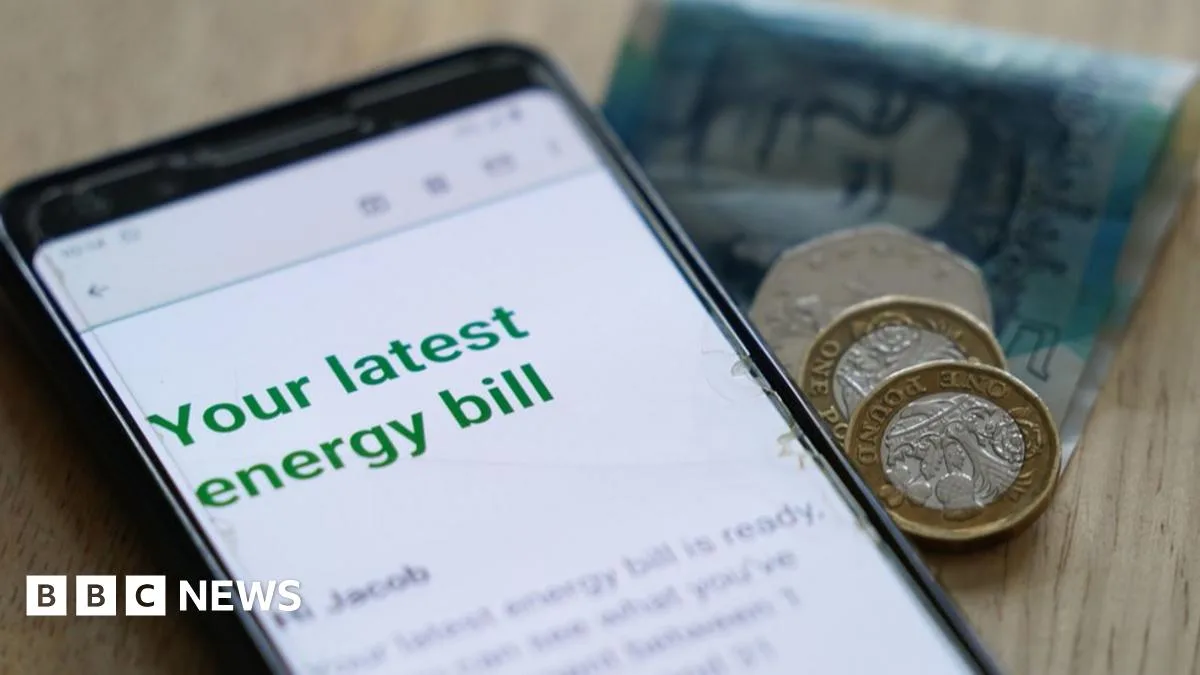
Chancellor Jeremy Hunt has announced that the Energy Price Guarantee, which caps typical household energy bills at £2,500 per year, will be reduced from April 2023. The scheme, originally set to last two years, will now only cover the winter period, with a new targeted approach to be introduced in the spring.
Hunt stated that the current universal support is too expensive and exposes public finances to volatile international gas prices. The Treasury will review the scheme to ensure it costs 'significantly less than planned' while still protecting the most vulnerable. The move is part of efforts to restore economic stability after the mini-budget caused financial market turmoil.
Consumer groups have expressed concern, warning of uncertainty for households. National Energy Action chief Adam Scorer called for urgent clarity on who will receive support, particularly vulnerable households not on benefits. Martin Lewis, consumer rights campaigner, noted that while the universal guarantee was poorly targeted, post-April support must still reach middle earners as energy rates remain high.
The Institute for Fiscal Studies welcomed the decision, with director Paul Johnson describing the previous two-year guarantee as 'clearly not sustainable'. However, the Centre for Ageing Better urged the government to provide clear advance notice of eligibility for targeted support, as many older people face an anxious wait.
Under the original plan by former Prime Minister Liz Truss, the guarantee was to be funded through borrowing, but the subsequent tax cut plans led to rising borrowing costs and mortgage rate surges. Hunt has reversed £32bn of those tax cuts and promised a new approach to energy support from April.