Brazil's Ethanol Fleet Shields Gas Prices from Iran War Oil Shock
Brazil is finding robust protection in a decades-old buffer against global oil market shocks, which is both cost-effective and environmentally friendly, as escalating conflict in the Middle East rattles energy supplies worldwide. The country's unique dual-fuel fleet, capable of running on sugarcane-based ethanol or gasoline blends, has helped stabilise fuel costs during the ongoing war involving Iran, the United States, and Israel.
A Unique Energy Buffer
As the war in Iran enters its fifth week, nations like India and Mexico are examining Brazil's model as a potential blueprint for enhancing energy security. While consumers globally face steep price hikes, Brazilian gasoline prices rose just 5% in March, compared to a 30% surge in the United States. Analysts attribute this stability to a mature domestic biofuels industry that allows Brazil to withstand geopolitical shocks with minimal risk of fuel shortages.
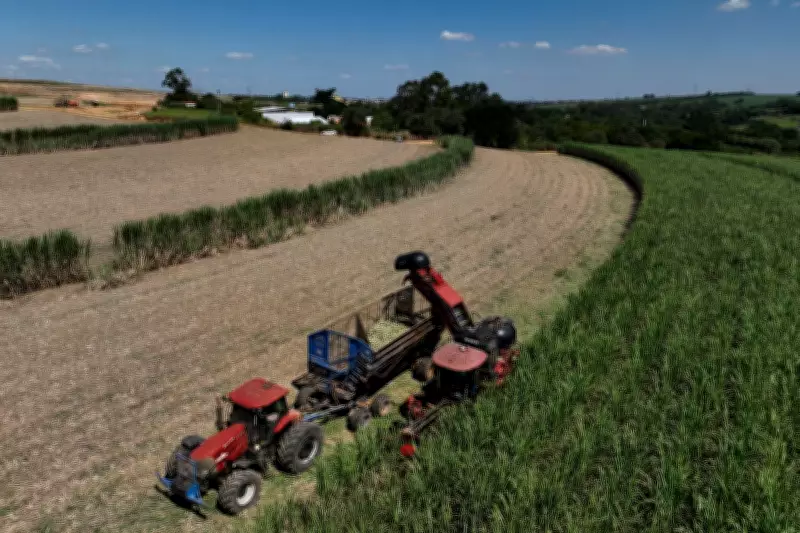
"Brazil is much better prepared than most countries because it has a viable alternative of this nature," stated Evandro Gussi, president of the Brazilian Sugarcane Industry Association, UNICA. The timing is particularly fortunate, as Brazil's upcoming sugarcane harvest, starting in early April, is projected to yield a record 30 billion litres of ethanol, an increase of 4 billion litres from the previous year.

Roots in Research and Flexibility
The success of Brazil's biofuels economy is deeply rooted in the state of Sao Paulo, the nation's industrial and agricultural powerhouse. Production here blends high-tech, export-oriented mega-farms with smaller family operations, such as Farm Bom Retiro, founded in 1958. Years of state-sponsored research have fostered advanced technology in biofuels, exemplified by the Science Development Center for Ethanol at Unicamp university in Campinas.
Coordinator Luis Cortez highlighted Brazil's unique advantages, noting flexibility in ethanol production, vehicle engines, and federal government policies that set biofuel blend percentages. "We have flexibility at three levels," Cortez explained, emphasising that investment in research ultimately translates to benefits at gas stations for consumers.
Challenges with Diesel and Global Interest
Despite the ethanol success, Brazil faces challenges with rising diesel prices, which surged over 20% in March. Diesel primarily relies on imported crude oil and contains a smaller percentage of biofuels, with biodiesel made from soybeans accounting for only 14% of the blend. This figure might increase to 30% by 2030, pending research advancements, but the conflict has had an immediate impact.
President Luiz Inácio Lula da Silva has proposed import subsidies through May to stabilise diesel prices, crucial for preventing truck driver strikes and controlling food inflation ahead of his reelection bid in October. Meanwhile, global leaders, including Mexican President Claudia Sheinbaum, have expressed interest in Brazil's biofuels technology, particularly ethanol production from agave plants.
"The best news, even in the midst of a situation like the one we are experiencing, is that this solution has a significant level of replicability," Gussi remarked, underscoring the potential for other nations to adopt similar strategies.