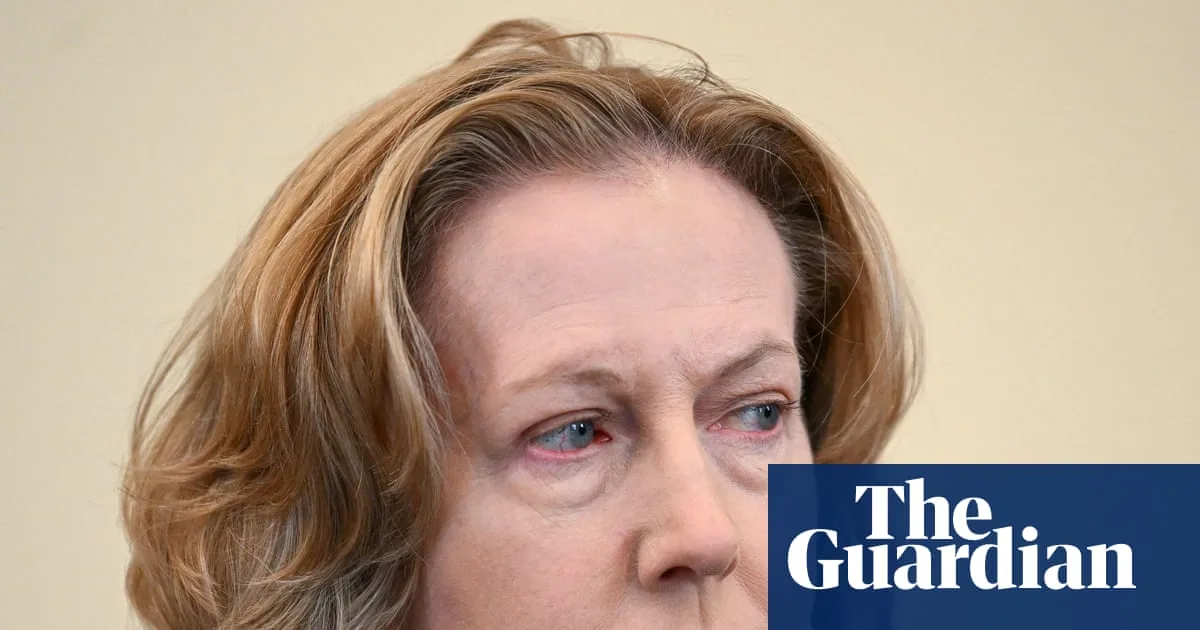
BP’s new chief executive Meg O’Neill has announced a restructuring of the company, returning to a two-division structure with upstream oil and gas production and downstream refining, distribution, and retail. This move reverses the 2020 reorganisation under former CEO Bernard Looney, which created a gas and low-carbon energy division as part of a green push that drew investor criticism and activist pressure.
The overhaul is the latest step in dismantling Looney’s legacy, as BP seeks to become “simpler, stronger, more valuable.” O’Neill, who took office in April, promised “clear direction and consistency” amid the Middle East conflict, which has caused significant energy market volatility.
BP expects “exceptional” oil trading profits in the first quarter, benefiting from choppy markets after the effective closure of the Strait of Hormuz. The company said refining margins strengthened, and oil trading results are anticipated to be exceptional. Analysts have raised profit forecasts, with Citi increasing its estimate for BP’s adjusted net income by 20% to $2.6bn for the January-to-March period.
Brent crude averaged about $78 a barrel in the first quarter, up from $63 in the previous quarter and $75 a year earlier. Prices have surged from around $61 in January to hit $119.50 after the Strait closure, though they dipped to $98.28 on Tuesday. JP Morgan expects oil to stay above $100 in the second quarter, while Goldman Sachs reduced its forecast to $90.
The International Energy Agency cut its global oil demand forecast, predicting an 80,000 barrel-per-day decline this year—the first annual drop since 2020. It warned that supply and demand would both be reduced by the conflict, with global oil supply plummeting by over 10 million barrels per day in March to 97 million, the largest disruption in history.
BP expects overall oil and gas production to be broadly flat in the first quarter. Refining margins rose to $16.9 a barrel from $15.2, boosting earnings from refined products by $100m to $200m. O’Neill will face shareholders at the annual meeting on 23 April, with first-quarter results due on 28 April.