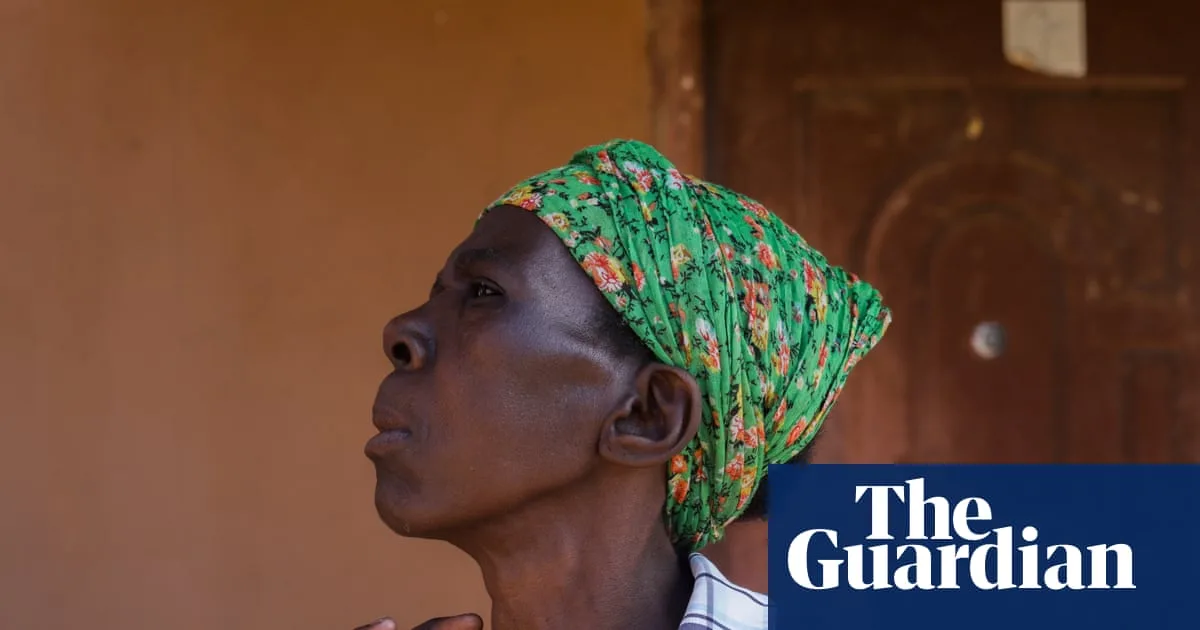
In late 2023, Boitumelo Mosege fell ill with hyperthyroidism, causing her neck to swell, her body to itch, and frequent fainting. The 53-year-old farmer from Molepolole, Botswana, had to give up work. Although public healthcare is meant to be free, she has only sporadically received medication. She now relies on her children's occasional piecework and her mother's 1,400 pula (£77) monthly pension to afford 2,000 pula-worth of medication each month. In early May, she had not bought medicine for three months.
“I felt like I had lost my life right there,” Mosege said. “I felt suicidal.” Nearby, Kelly Jansen cares full time for her 83-year-old father, Gerhardus, who uses a wheelchair. They spend a third of his pension on medication and supplies. Jansen is searching for a donated electric wheelchair. “I want my life back,” she said.
Last year, shortages of essential medicines led President Duma Boko to declare a public health emergency. He blamed the Central Medical Stores (CMS), the state health procurement agency, for raising drug prices. Thabo Lucas Seleke, a University of Botswana health policy lecturer, said CMS problems have been known since at least 2010. “It is a breeding ground for corruption,” he said. “It has not improved, it is getting worse.”

The shortages have been exacerbated by a multi-year economic downturn caused by a collapse in demand for diamonds, which make up 80% of Botswana's exports. Diamond prices have fallen 60% in four years as consumers buy cheaper lab-grown stones. The IMF estimated Botswana's economy shrank 3% in 2024 and 1% in 2025. Unemployment rose to 21% overall and 29% among 15- to 35-year-olds.
Oratile Olorato Kgatle, 26, has not had a single job interview in 18 months. “I could feel that light just dimming with each day, until January when I went to a psychiatric hospital to seek help,” she said. The economic malaise has also affected middle-class families, while rising fuel prices due to the US-Iran conflict are expected to hit Botswana hard as an oil importer.