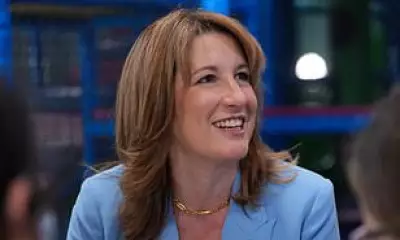
Kemi Badenoch, the Conservative leader, has been accused of "peddling a dangerous fantasy" regarding her proposal to reverse the ban on new North Sea oil and gas licences. This criticism comes from a leading campaign group as Badenoch prepares to launch a campaign aimed at boosting the fossil fuel sector, with the goal of reducing energy prices.
Policy Efficiency Under Scrutiny
Badenoch is expected to call on the government to lift its suspension of new licences, arguing that increased drilling can protect households from rising bills. However, experts and critics have questioned the efficiency of this policy, claiming it is unlikely to lower household energy costs. Tessa Khan, executive director of the renewable energy campaign group Uplift, described the plan as "vapid, political game playing at the expense of ordinary people."
Historical Context and Expert Opinions
In 2023, when serving as energy secretary, Conservative MP Claire Coutinho admitted that new licences "wouldn't necessarily bring energy bills down" but could improve supply security. Coutinho now holds the energy brief in Badenoch's shadow cabinet. The Labour government banned new oil and gas licensing last year, shifting focus to homegrown renewable energy.

Global oil prices have soared due to conflicts affecting key shipping routes, raising concerns about long-term energy costs. Despite this, Badenoch maintains that drilling in the North Sea is essential for energy, financial, and national security, as well as job creation and tax revenues.
Research and Counterarguments
Research by Uplift and energy consultancy Voar indicates that hundreds of new North Sea licences granted by the Conservatives between 2010 and 2024 have produced only 36 days of gas. Experts consistently argue that North Sea production is too small to influence global prices. Greg Jackson, CEO of green energy company Octopus, noted that more drilling would have little effect on prices because the UK is integrated with European and global markets.
Badenoch is also expected to call for scrapping the windfall tax on energy profits and providing more financial support to the fossil fuel industry. Khan labelled this as "tone deaf" amid public anxiety over rising bills, warning that such policies endanger security and betray workers who need stable jobs in renewables.
Political Responses
A Labour spokesperson criticised Badenoch's stance, pointing out that her own shadow energy secretary admitted new licences would not cut bills. They emphasized that Labour's investments in clean energy are reducing bills and enhancing energy security, unlike the Conservative approach, which they argue outsources security to volatile fossil fuel markets.