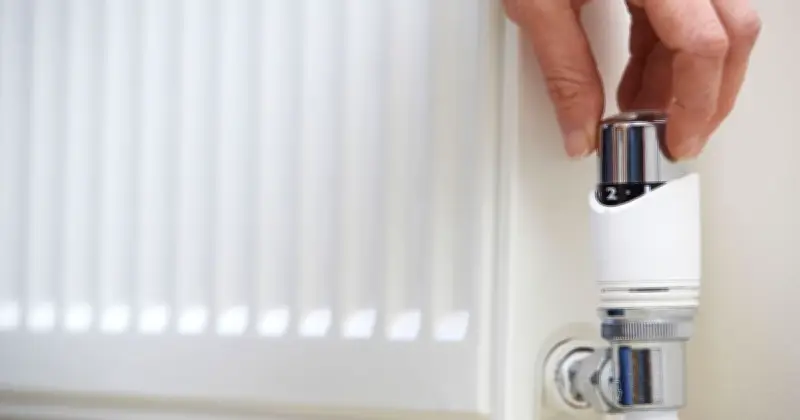
Households across the UK are being urged to avoid a common radiator mistake this autumn that can rack up energy bills. Drying clothes directly on radiators traps the heat, making your heating less efficient and forcing your boiler to work harder, according to advice from heating experts.
Energy Price Cap Increase
Heating your home during the colder months can be expensive, particularly following a 4% hike to Ofgem's energy price cap this month. More than four million homes on a standard energy tariff in England, Scotland and Wales are affected by the increase, which adds an extra £5 per month to bills, or £60 per year if sustained over 12 months.
Experts warn that energy costs could soar by almost another £300 from January when a 16% hike to the price cap is expected, which would take bills to £1,999 per year. The energy price cap sets the maximum rate per unit and standing charge that suppliers can charge customers, but not the total bill, so those who use more energy ultimately pay more.
Why Drying Clothes on Radiators Is Inefficient
Drying clothes at this time of year can be tricky, with cold and wet weather meaning laundry often has to be hung indoors. While radiators speed up the drying process, placing clothes directly onto them traps the heat and makes heating less efficient. It also has costly implications on energy bills as it forces the boiler to work harder and for longer to maintain the desired room temperature.
In its online advice, Only Radiators explains: "When you're drying clothes on a radiator, you're really just blocking the radiator from heating the room. The plug - your wet clothing - gets a huge amount of heat but your room stays cold. Your radiator, even without a thermostatic valve, is trying to reach a certain temperature. Yet you're plugging the upstream heat of your whole system. Your boiler then has to struggle to heat the room using a radiator whose convection cycle is blocked. Your radiator is rendered completely inefficient and it's costing you mega-bucks. The central heating hates it and your bank account isn't any better off either."
Health Risks and Expert Advice
Putting damp clothes directly on radiators can also cause high humidity in your home, condensation on windows, and even damage to the radiator itself. The excess humidity can lead to health problems as it creates an ideal environment for mould and mildew to thrive.
Chris Harvey, radiator specialist at Stelrad, said: "Putting damp washing over a warm radiator might seem like making good use of heat you're already paying for, particularly when you're trying to avoid running another appliance. But covering the radiator can obstruct the circulation of warm air, making it harder to heat the room effectively. If that leaves you feeling cold, you may end up turning up the thermostat or keeping the heating on for longer. Alongside obstructing heat, drying washing indoors releases moisture into the air. Without adequate ventilation, this can contribute to condensation on colder surfaces, including windows and external walls."
He added: "The water in your washing has to go somewhere. As the clothes dry, that moisture moves into the air, and it needs a way to leave the home. If it repeatedly settles on cold surfaces and those areas remain damp, conditions can develop that allow mould to grow. That's why keeping the room warm and managing ventilation need to go together."
Alternatives to Radiator Drying
To avoid this problem, experts recommend drying clothes on an airer instead, as these allow airflow, and placing them in a warm, well-ventilated part of your home. You can also make use of heated towel rails to reduce drying times, or simply wrap wet clothes inside a dry towel to soak up excess water before hanging them up.
In its online advice, UK Radiators said: "While it may seem convenient to dry your clothes on a radiator, it's not a recommended practice due to the potential health risks, including mould growth. Additionally, it can lead to higher energy bills as radiators are designed for room heating, not clothes drying. Instead, consider using towel rail radiators or traditional drying racks, which provide better airflow and efficient drying without compromising your health or increasing energy consumption."