Australia's Oil Crisis: Lessons from the 1970s Shock and Today's Vulnerability
Australia's Oil Crisis: 1970s Lessons and Today's Risks

Australia's Oil Crisis: Lessons from the 1970s Shock and Today's Vulnerability

Australia has weathered fuel crises before, but the current situation poses unprecedented challenges. With fuel prices soaring and shortages emerging nationwide, historical insights from previous oil price spikes offer crucial lessons for navigating today's turmoil.

The 1970s Oil Shock: A Global Upheaval

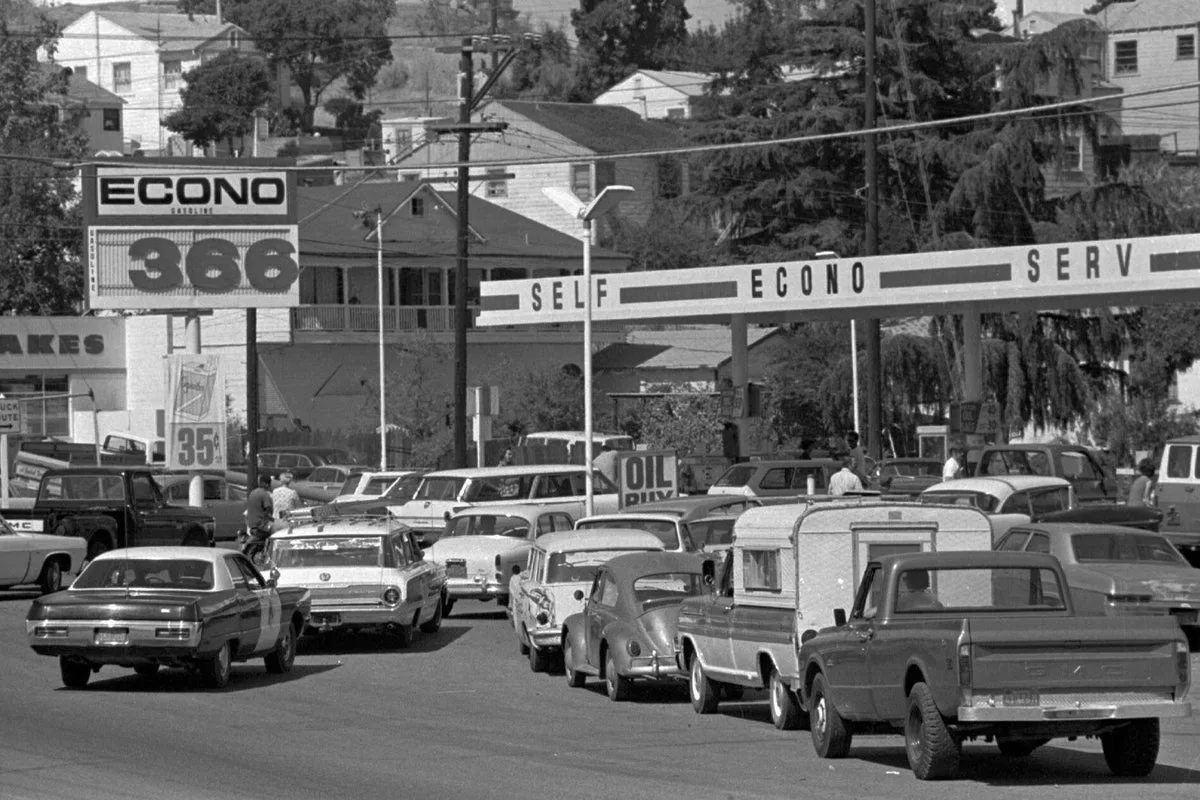
In the decades following World War II, cheap oil underpinned global economic stability. This era ended abruptly in October 1973 when oil prices surged dramatically. The crisis originated from the Yom Kippur War between Israel and Arab nations. In response to Western support for Israel, the Organization of Arab Petroleum Exporting Countries (OAPEC) cut production and halted deliveries to the US, the Netherlands, and Portugal.

Although the Arab oil embargo was lifted in March 1974, its effects lingered for over a decade. In Australia, it interrupted a mining boom that began in 1960 and marked the end of a golden age characterised by low unemployment and inflation. The nation, like many Western countries, entered a period of stagflation, with high unemployment and inflation coexisting. Fuel prices jumped by 25%, inflation peaked near 18%, and unemployment, once around 2%, doubled by the mid-1970s, reaching over 10% in the early 1980s.

Wide Pickt banner — collaborative shopping lists app for Telegram, phone mockup with grocery list

Australia's Buffer in the 1970s: Self-Sufficiency and Policy

Despite these challenges, Australia was partially insulated from the worst impacts of the 1970s oil shock. By 1973, the discovery of oil and gas in the Bass Strait had enabled nearly 70% self-sufficiency in petroleum. The Fraser government's introduction of Import Parity Pricing (IPP) in 1978 acted as an early carbon tax, generating Treasury revenue and conserving domestic oil supplies. Limited petrol rationing was only implemented after a further price spike in 1979 following the Iranian Revolution.

Today's Crisis: A More Severe Threat

Australia will not be as fortunate in the current oil crisis. In 1973, embargoed oil accounted for about 7% of global consumption, affecting only a few nations. Today, approximately 20% of global oil supplies and 30% of Australia's refined oil are at risk due to ongoing conflicts, with no resolution in sight. The scale of disruptions, such as Iran's potential closure of the Strait of Hormuz, is incomparable to the 1970s, with around 20 million barrels passing through daily—one-fifth of world consumption and nearly a third of seaborne oil trade.

Moreover, the current crisis extends beyond oil to include liquefied natural gas (LNG). Qatar, representing about a fifth of global LNG supply, has declared force majeure on exports. The International Energy Agency warns that a full closure of the strait could remove over 300 million cubic metres daily from the global gas market, twice the peak capacity of the Nord Stream pipeline before its sabotage in 2022. Additional impacts span nitrogen fertilisers, aluminium, helium for medical imaging, and pharmaceutical precursors.

Australia's Increased Dependence and Vulnerability

Australia no longer benefits from the buffer of domestic oil production. Whereas the nation produced roughly 70% of its petroleum needs in the 1970s, domestic output plummeted after 2000, and Australia now imports 90% of its liquid fuel requirements. The refining industry has also declined, with six major refineries closing after 2003 due to competition from Singapore, leaving only two operational.

After the Whitlam government's defeat in 1975, Australia abandoned plans for a sovereign oil and gas company, reducing control over natural gas reserves compared to countries like Saudi Arabia and Norway. Australian LNG is largely exported by lightly taxed multinationals, with a gas reservation policy only established on the east coast in 2025.

Potential Responses and Future Outlook

Unless the conflict concludes swiftly, Australia may face stricter petrol rationing measures, reminiscent of World War II-era policies. Managing the fallout from the 2026 crisis will likely require coordinated Commonwealth and state intervention, similar to the mobilisation seen during the Covid-19 pandemic of 2020-22. Learning from past crises is essential to mitigate economic and social impacts in an increasingly volatile global energy landscape.

Pickt after-article banner — collaborative shopping lists app with family illustration