

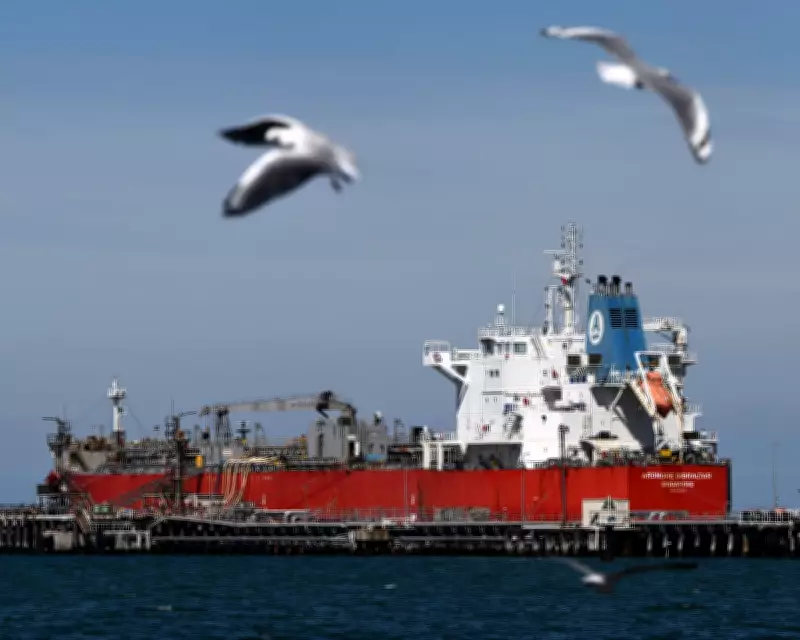
Australia's Fuel Security Crisis: Foreign Oil Reliance Drives Price Surge
Australia is grappling with a deepening fuel security crisis, as its heavy dependence on foreign oil imports has triggered a sharp surge in energy prices, raising alarms over national stability and economic resilience. The reliance on international suppliers, coupled with volatile global markets, has exposed vulnerabilities in the country's energy infrastructure, prompting urgent calls for strategic domestic solutions to mitigate risks and ensure long-term sustainability.
The Impact of Foreign Oil Dependence
Australia's fuel sector is increasingly reliant on imported oil, with foreign sources accounting for a significant portion of its energy needs. This dependence has left the nation susceptible to geopolitical tensions, supply chain disruptions, and fluctuating international prices, which have directly contributed to rising costs for consumers and businesses alike. The recent spike in fuel prices underscores the fragility of this system, as global events and trade dynamics exert outsized influence on local markets.
Economic and Social Consequences
The surge in fuel prices has far-reaching economic and social implications, affecting everything from transportation and logistics to household budgets and industrial operations. Higher energy costs are driving inflation, squeezing disposable incomes, and hampering productivity, while also posing challenges for sectors such as agriculture, manufacturing, and tourism. Moreover, the instability threatens Australia's energy security, with potential knock-on effects on national defence and emergency response capabilities.

Urgent Calls for Domestic Solutions
In response to the crisis, experts and policymakers are advocating for a shift towards domestic energy solutions to reduce foreign oil reliance. Proposed measures include:
- Investing in renewable energy sources, such as solar and wind, to diversify the energy mix and enhance self-sufficiency.
- Expanding domestic oil production and refining capacity to bolster local supply chains and reduce import dependency.
- Implementing strategic fuel reserves to buffer against global shortages and price shocks.
- Promoting energy efficiency and conservation initiatives to lower overall demand and mitigate cost pressures.
These steps aim to create a more resilient energy framework, capable of withstanding external pressures and supporting sustainable growth.
Looking Ahead: A Path to Energy Independence
Addressing Australia's fuel security crisis requires a coordinated, long-term strategy that balances immediate price relief with structural reforms. By prioritising domestic innovation, infrastructure investment, and policy support, the nation can reduce its vulnerability to foreign oil markets and build a more stable, affordable energy future. The current challenges serve as a stark reminder of the need for proactive measures to safeguard against future disruptions and ensure energy sovereignty in an increasingly uncertain world.






