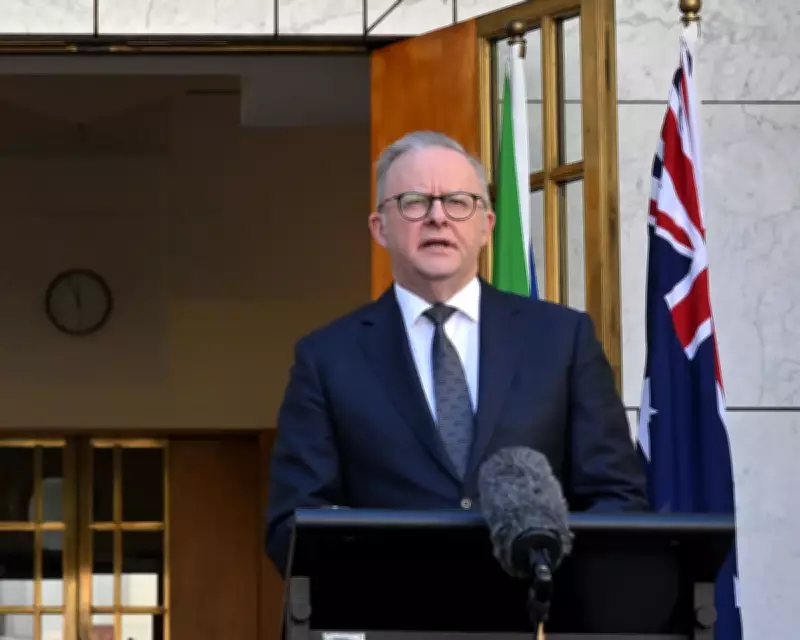
Australian Fuel Prices Experience Sharp Increase During Prime Minister's Singapore Visit
Australian motorists are facing a significant surge in fuel prices, with petrol costs rising markedly across the nation. This development coincides with Prime Minister Anthony Albanese's official visit to Singapore, raising questions about potential economic implications and the government's handling of the situation.
Economic Concerns Mount as Petrol Costs Escalate
The increase in fuel prices has sparked widespread concern among consumers and businesses alike. Analysts point to global market fluctuations and supply chain issues as contributing factors, but the timing with the Prime Minister's international trip has drawn particular attention. Many Australians are expressing frustration over the rising costs, which impact daily commuting and overall household budgets.
Government officials have acknowledged the issue, stating that they are monitoring the situation closely. However, critics argue that more immediate action is needed to alleviate the financial burden on citizens. The opposition has called for transparency regarding any discussions about fuel prices during the Singapore visit, suggesting that diplomatic engagements should address domestic economic challenges.

Singapore Visit Highlights International Energy Dynamics
Prime Minister Albanese's trip to Singapore focuses on strengthening bilateral ties and discussing regional security matters. While the official agenda does not explicitly list fuel prices, energy security remains a key topic in Australia-Singapore relations. Singapore, as a major hub for oil refining and trading, plays a crucial role in global fuel markets, influencing prices in Australia and beyond.
Experts note that international factors often drive domestic fuel costs, including geopolitical tensions, production cuts by oil-exporting nations, and currency exchange rates. The current price surge may reflect broader trends in the Asia-Pacific region, where demand for petroleum products continues to grow amid supply constraints.
Potential Policy Responses and Future Outlook
In response to the rising prices, there are calls for the Australian government to consider various measures, such as:
- Reviewing fuel excise taxes to provide temporary relief
- Increasing investment in renewable energy alternatives to reduce dependence on imported petrol
- Enhancing transparency in fuel pricing mechanisms to prevent price gouging
Looking ahead, market analysts predict that fuel prices may remain volatile in the coming months. Factors like seasonal demand, international conflicts, and economic policies will likely influence future trends. The government's ability to manage this issue could have significant political ramifications, especially with upcoming elections on the horizon.
Consumers are advised to shop around for the best fuel deals and consider carpooling or public transport options to mitigate costs. Meanwhile, the Prime Minister's office has reiterated its commitment to addressing cost-of-living pressures, though specific plans regarding fuel prices have yet to be detailed.