Australian Fuel Prices Hit Record Highs Amid Middle East Conflict
Australian Fuel Prices Hit Record Highs Amid Conflict

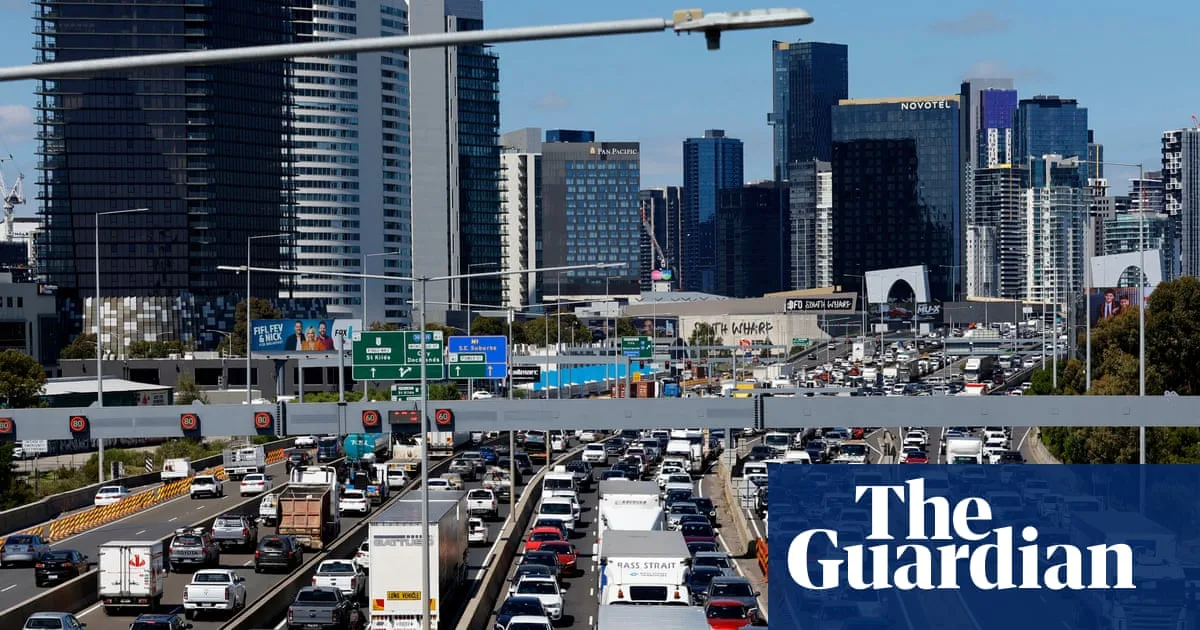
Australian motorists are confronting the highest fuel prices ever recorded, with the national average for unleaded petrol reaching $2.19 per litre and diesel climbing to $2.60 per litre. This represents a dramatic 20 per cent increase since late February, when military strikes in the Middle East triggered a regional conflict.

Geopolitical Tensions Disrupt Global Oil Flow

The price surge is directly linked to escalating tensions in the Middle East. Following attacks in late February, Iran moved to block the Strait of Hormuz, a critical maritime chokepoint through which approximately 20 per cent of the world's oil supply normally transits. This action has created significant disruptions to global energy markets.

Australia's fuel security is particularly vulnerable to these international developments. The nation imports approximately 90 per cent of its refined fuel, primarily from Asian refineries. These facilities, in turn, source much of their crude oil from Middle Eastern producers, creating a supply chain that is now experiencing considerable strain.

Wide Pickt banner — collaborative shopping lists app for Telegram, phone mockup with grocery list

Government Response and Public Reaction

Despite the mounting pressure, the Albanese government maintains there is no immediate fuel shortage in Australia. This stance persists even as Energy Minister Chris Bowen acknowledged that "the flow of oil to Asian refineries has slowed" and reports emerged of at least six bulk fuel tankers cancelling shipments to Australia from Asia.

The government has also firmly rejected suggestions from the International Energy Agency to implement work-from-home mandates or encourage slower driving to conserve fuel. Instead, attention is turning to public transport as a potential relief valve for strained household budgets.

The Rail Tram and Bus Union in New South Wales is actively campaigning for public transit to be made free until the fuel crisis abates, arguing this would provide immediate financial relief to commuters facing soaring costs.

City-by-City Breakdown of Cheapest Fuel Options

With household budgets under severe pressure, Australian drivers are actively seeking out the most affordable fuel in their cities. Based on recent crowd-sourced price data, here is where motorists have found the best value.

Sydney

The cheapest unleaded 91 in inner Sydney was available at U-Go Rozelle for 233.9 cents per litre. Rozelle and Annandale offered several other competitive options around 237.9 cents. For diesel, the best price was 285.9 cents per litre at locations in Rozelle.

Melbourne

Shell Yarraville offered the best unleaded 91 price at 237.2 cents per litre. Diesel was comparatively cheaper than in Sydney, with the lowest price recorded at 275.9 cents per litre at Metro Showgrounds.

Brisbane

NightOwl Shell Kelvin Grove provided the cheapest unleaded 91 at 236.9 cents per litre. For diesel, Quill Petroleum Hawthorne offered the best value at 287.5 cents per litre.

Perth

Fuel prices on the west coast were generally higher than eastern states. The Burk Mount Lawley had the cheapest unleaded 91 at 239.3 cents per litre, while diesel started at 287.9 cents per litre at Ampol Mt Lawley.

Adelaide

Four service stations tied for the cheapest unleaded 91 at 239.9 cents per litre. U-Go Hindmarsh offered the most affordable diesel at 286.9 cents per litre.

Hobart

U-Go Lindisfarne provided the cheapest unleaded 91 at 239.9 cents per litre. The best diesel price was 289.9 cents per litre at United Selfs Point Ufill.

Canberra

Five service stations offered unleaded 91 at 239.9 cents per litre. Costco Canberra Airport had the best diesel price at 288.7 cents per litre.

Darwin

Four servos recorded the cheapest unleaded 91 at 245.5 cents per litre. FuelXpress Winnellie offered the best diesel price at 285.5 cents per litre.

Expert Analysis on Australia's Fuel Security

Energy policy experts have highlighted Australia's systemic vulnerability to such price shocks. Professor Samantha Hepburn from Deakin Law School noted that Australia maintains only two domestic oil refineries, leaving the nation heavily dependent on imported refined fuel.

Pickt after-article banner — collaborative shopping lists app with family illustration

"I tried to explain the difference between 'just in time' and 'just in case' supply chains," Professor Hepburn stated, recalling conversations with government officials about fuel security. "There was no concept of fuel security. The assumptions were huge."

Experts have also warned that panic buying is exacerbating the situation. Professor Hepburn observed that in some areas, demand has surged by 35 to 40 per cent, placing unsustainable pressure on a fuel distribution system not designed for such demand shocks.

"It's not a problem with the supply coming into the country at the moment or the processing," the professor explained. "It's our behaviour that's causing the system itself to break down. We've got to stop panic buying."

The combination of geopolitical instability, supply chain vulnerabilities, and consumer behaviour has created a perfect storm for Australian fuel prices, with no immediate relief in sight as the Middle East conflict continues to influence global energy markets.