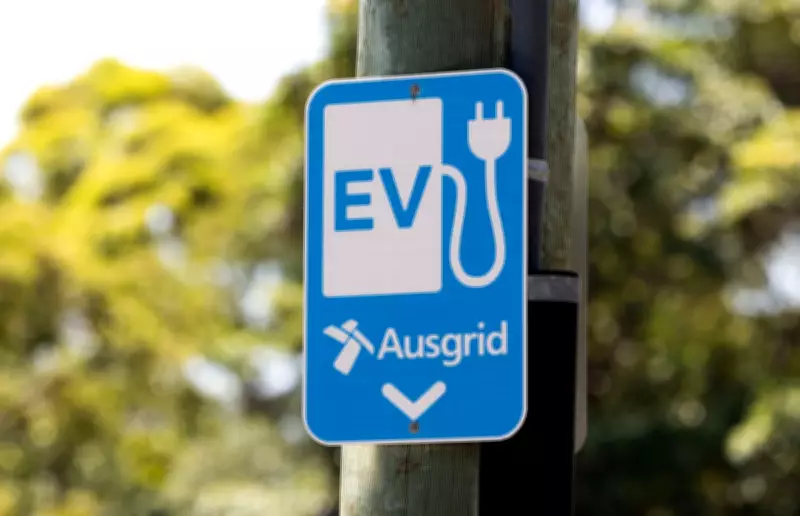
The Australian government has unveiled a landmark $20 billion renewable energy subsidy package designed to accelerate the adoption of solar panels, electric vehicles (EVs), and home batteries across the nation. The initiative, announced on May 10, 2026, represents one of the largest clean energy investments in the country's history.
Key Components of the Package
The subsidy program will provide direct financial incentives to households and businesses for installing rooftop solar systems, purchasing EVs, and deploying home battery storage. The government expects the package to significantly reduce carbon emissions and drive down energy costs for consumers.
Solar Panel Subsidies
Homeowners and small businesses will be eligible for grants covering up to 30% of the cost of new solar panel installations. The program prioritizes low-income households and rental properties, aiming to democratize access to renewable energy.

Electric Vehicle Incentives
Purchasers of new EVs will receive rebates of up to $5,000 per vehicle, with additional incentives for charging infrastructure installation. The government targets a 50% increase in EV sales over the next two years.
Home Battery Support
Subsidies for home battery systems will cover up to 40% of upfront costs, encouraging energy storage to maximize solar power usage and reduce grid reliance. The program includes grants for community battery projects in apartment buildings and shared spaces.
Economic and Environmental Impact
Officials project the package will create thousands of jobs in the renewable energy sector, stimulate local manufacturing, and reduce Australia's carbon footprint by 15 million tonnes annually by 2030. The initiative aligns with the country's commitment to net-zero emissions by 2050.
Energy Minister Chris Bowen stated, 'This is a transformative investment that puts power back into the hands of Australians. We are making clean energy affordable and accessible for everyone.'
Environmental groups have cautiously welcomed the plan, though some argue the subsidies should be paired with stronger regulations on fossil fuels. The opposition has criticized the cost, calling it a 'massive handout' without sufficient safeguards against price gouging.
Implementation will begin in July 2026, with applications opening through a new online portal. The government will phase out subsidies over five years as technology costs decline and market adoption increases.