

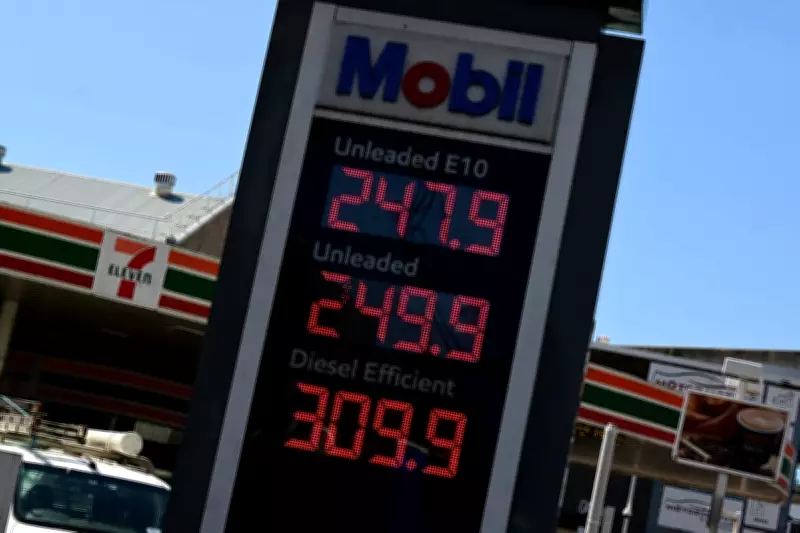
Australia Confronts Fuel Shortages Amid Excise Tax Policy Debate
Australia is currently experiencing significant petrol shortages, a situation that has intensified discussions around the nation's fuel excise tax policies. The shortages, affecting various regions across the country, are putting pressure on consumers and businesses alike, with rising fuel prices exacerbating economic concerns.
Impact on Consumers and the Economy
The fuel shortages have led to long queues at petrol stations and increased costs for transportation, directly impacting households and industries. Consumers are facing higher prices at the pump, which is contributing to broader inflationary pressures in the economy. This comes at a time when many Australians are already dealing with cost-of-living challenges, making the situation particularly acute.
Businesses, especially those in logistics and retail, are also feeling the strain. Supply chains are being disrupted, leading to delays in deliveries and increased operational costs. The shortages are highlighting vulnerabilities in Australia's fuel infrastructure and distribution networks, raising questions about long-term sustainability.

Government Response and Policy Debates
In response to the crisis, the Australian government is actively debating adjustments to the fuel excise tax, a key component of petrol pricing. The excise tax, which is levied on fuel sales, has been a contentious issue, with calls for reductions to alleviate financial burdens on citizens. However, policymakers are weighing this against the need for revenue to fund infrastructure and environmental initiatives.
Key points in the debate include:
- The potential for temporary tax cuts to provide immediate relief to consumers.
- Long-term strategies to enhance fuel security and reduce dependency on imports.
- Balancing economic support with environmental goals, such as promoting renewable energy alternatives.
Experts suggest that any changes to the excise tax could have far-reaching implications, affecting government budgets and investment in public services. The debate is also intertwined with broader discussions on energy policy and climate change, adding complexity to the decision-making process.
Looking Ahead: Challenges and Solutions
As Australia navigates these fuel shortages, stakeholders are calling for comprehensive solutions. Proposals include increasing domestic fuel production, improving storage facilities, and investing in alternative energy sources to mitigate future risks. The government is under pressure to act swiftly to restore stability and confidence in the fuel market.
In the meantime, consumers are advised to monitor fuel availability and consider energy-efficient practices. The situation serves as a reminder of the interconnectedness of global energy markets and the importance of resilient national policies. With ongoing debates and potential policy shifts, the outcome will likely shape Australia's economic and environmental landscape for years to come.






