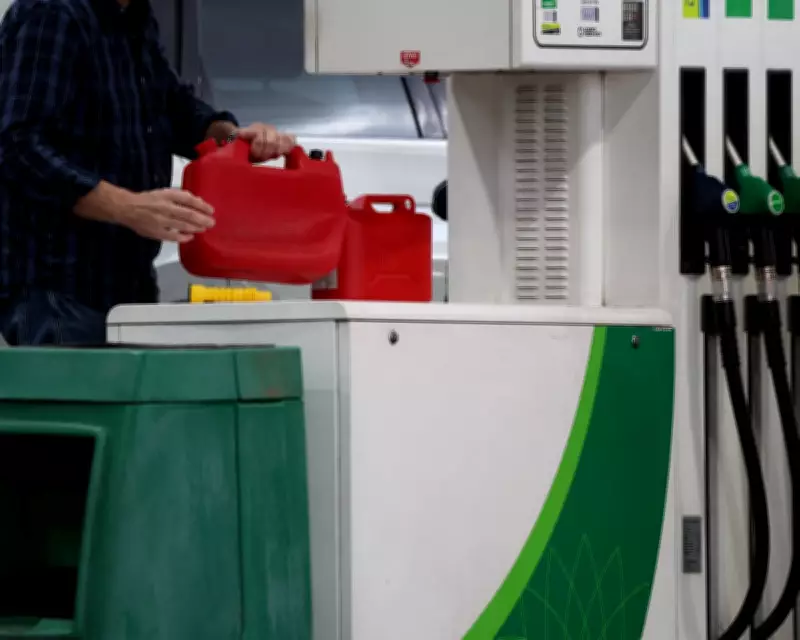
Australia Grapples with Widespread Fuel Crisis Amid Panic Buying Frenzy
In a dramatic turn of events, Australia is currently experiencing a severe fuel crisis, driven by widespread panic buying that has left petrol stations across the nation struggling to meet demand. This situation has escalated rapidly, causing significant disruptions to supply chains and daily life, with motorists queuing for hours in hopes of securing fuel.
Root Causes of the Panic Buying Surge
The crisis stems from a combination of factors, including supply chain vulnerabilities and heightened public anxiety over potential shortages. Reports of dwindling fuel reserves triggered a wave of panic buying, as consumers rushed to stock up on petrol, exacerbating the shortage. This behavior has created a vicious cycle, where fear of scarcity leads to increased demand, further depleting available stocks.
Government officials have issued urgent appeals for calm, emphasizing that the situation is manageable if consumers avoid hoarding. However, these calls have largely gone unheeded, with many regions reporting empty pumps and long lines. The crisis has highlighted the fragility of Australia's fuel infrastructure and its reliance on timely imports.

Impact on Economy and Daily Life
The fuel shortage is having a ripple effect across various sectors. Transportation and logistics companies are facing delays, impacting the delivery of essential goods and services. Small businesses, particularly in rural areas, are struggling to operate, while commuters are forced to alter their travel plans or work remotely.
Experts warn that prolonged shortages could lead to broader economic consequences, including increased costs for goods and potential job losses in affected industries. The crisis has also sparked debates about energy security and the need for more resilient fuel policies in Australia.
Response from Authorities and Future Outlook
In response to the escalating situation, the Australian government has implemented measures to stabilize fuel supplies, including expediting imports and coordinating with retailers to ensure fair distribution. Emergency protocols have been activated in some states to prioritize fuel for essential services like healthcare and emergency responders.
- Increased monitoring of fuel reserves and distribution networks.
- Public awareness campaigns to discourage panic buying.
- Collaboration with international partners to secure additional supplies.
While these steps aim to alleviate the crisis, officials caution that a full recovery may take time, urging the public to remain patient and avoid unnecessary fuel consumption. The incident serves as a stark reminder of the importance of preparedness in the face of supply chain disruptions.