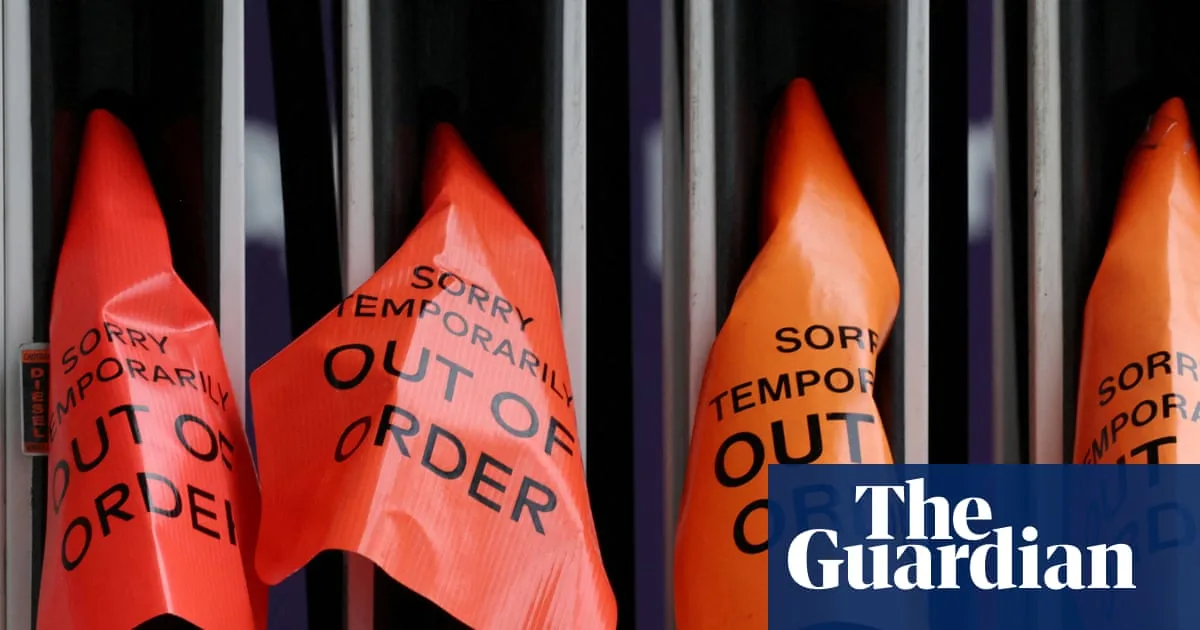
Australia's Fuel Supply Crisis Intensifies Amid Global Disruptions
Australia's primary crude oil supplier has issued a stark warning that it may need to prioritise its own citizens over international trading partners, as shipments continue to be severely disrupted by the ongoing war in Iran. This development has plunged Australia into a deepening fuel crisis, with significant implications for the nation's economy and energy security.
Malaysian Government Signals Supply Uncertainties
Malaysia, which serves as Australia's third-largest source of petrol and diesel, has explicitly stated that it cannot guarantee uninterrupted petrol supplies to Australia if the Middle Eastern conflict persists. A spokesman for the Malaysian embassy provided a candid assessment to The Australian Financial Review, emphasising that "the Malaysian government will prioritise our own needs, and only then we can look at whatever demand that we receive from overseas."
The spokesman further elaborated on the global nature of the supply chain crisis, noting that "there are some other countries as well that might be able to supply to Australia, but still, everyone is having the same problem right now." This statement underscores the widespread impact of the Iran conflict on international fuel markets.
Emergency Government Response and Economic Warnings
Prime Minister Anthony Albanese convened an urgent meeting of state premiers at National Cabinet on Thursday to address Iran's oil blockade and its cascading effects on Australian fuel supplies. The government's response comes amid grave economic warnings from multiple quarters.
The Reserve Bank has cautioned about the potential for a recession if inflation escalates due to supply chain disruptions caused by petrol price shocks. Treasurer Jim Chalmers revealed in a Thursday speech that government modelling predicts Australia's gross domestic product could be 0.6 per cent lower by 2027—approximately $18 billion—if the conflict remains unresolved.
International Export Restrictions Compound Problems
The crisis has been exacerbated by export restrictions imposed by key Asian trading partners. China has instructed refiners not to load cargoes that hadn't cleared customs by March 11, resulting in fuel destined for Australia being left at Chinese ports last weekend. When questioned about this specific shipment, Energy Minister Chris Bowen stated that "all the indications to me from everyone who's engaged in the supply chain is that the ships that have been expected to arrive have arrived and are expected to arrive over March and well into April."
South Korea, Australia's second-largest source of refined petroleum providing about 20 per cent of the nation's supply, has capped petrol and diesel exports at 2025 levels to prevent domestic exporters from sending fuel to more profitable international markets. This move is particularly significant given that South Korea sources 70 per cent of its crude oil from the Middle East. A South Korean embassy spokesman affirmed that "the government of the Republic of Korea will continue to maintain close communication and work closely with the Australian government for the stabilisation of petroleum product supply chains."
Australia's Fuel Vulnerability Exposed
The conflict has starkly revealed Australia's fuel vulnerability, with the nation importing approximately 90 per cent of its oil. While Australia primarily imports refined fuel from Asian countries, those nations themselves depend on Middle Eastern crude oil supplies, creating a fragile supply chain.
Malaysia, despite producing its own crude, requires barrels from the Middle East to maintain operations at its export-oriented refineries. According to Department of Foreign Affairs and Trade data, Australian companies imported $6.9 billion worth of refined petroleum products from Malaysia in the last financial year, accounting for 14 per cent of total refined fuel imports. Additionally, Australia imported $4.4 billion in crude oil from Malaysia, representing about a quarter of all crude imports.
Government Taskforce Established and Public Appeals
In response to the escalating crisis, Prime Minister Albanese announced on Thursday the formation of a Fuel Supply Taskforce, to be led by former chief executive of the Australian Energy Regulator, Anthea Harris. Each state and territory will have representation on the taskforce to ensure fuel is distributed to areas of greatest need.
The Prime Minister has publicly urged Australians to refrain from hoarding petrol, stating that "there is no less fuel in Australia than there was three weeks ago. This has been an issue of increased demand." Both Albanese and Foreign Minister Penny Wong have been conducting intensive diplomatic talks with international counterparts to help secure sustained flows of fuel and diesel shipments to Australia.
Market Impacts and Expert Analysis
The Malaysian embassy spokesman offered a cautiously optimistic note, suggesting that if Malaysia maintains sufficient supply for its domestic requirements, it would continue exporting to Australia. However, global market conditions remain volatile, with oil prices surging to $111 per barrel from just $72 before the United States and Israel attacked Iran on February 28.
Former head of crude trading analytics at Shell, Mukesh Sahdev, provided a sobering assessment of Australia's fuel situation: "We are okay for the week of March 22, and then we have a problem on the diesel side, just as demand for diesel is increasing. If you look at what is arriving, in diesel that week of March 22, we are importing 600,000 barrels a day. After that, the numbers are starting to fall." This analysis highlights the precarious timeline facing Australian fuel supplies as the international crisis continues to unfold.